
Sauces & Condiments
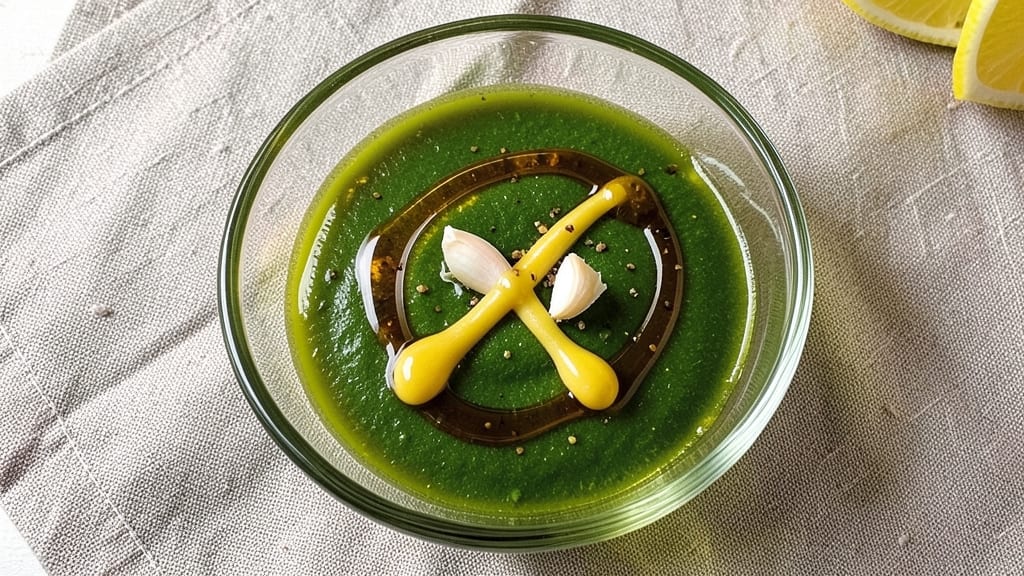
A recipe for salad dressing calls for 3 tablespoons of something special—whether it’s tangy vinegar, rich olive oil, or creamy yogurt—to create the perfect balance in every pour. This isn’t just any dressing; it’s a versatile foundation that transforms simple greens into a gourmet experience with minimal effort.
The secret lies in the ratio: too much oil makes it heavy, too much acid makes it sharp, but just right? That’s where the magic happens.
What makes this dressing stand out is its adaptability. Need a zesty vinaigrette for arugula? A creamy ranch for crispy chicken? Or a bold mustard dressing for hearty greens? Start with the same base—oil, acid, and an emulsifier—then tweak the flavors to match your dish.
The key is precision: measure carefully, whisk thoroughly, and let the dressing rest for 10 minutes before using so flavors meld perfectly.
By the time you’re done, you’ll have a dressing that’s smooth, balanced, and packed with flavor—no clumps, no separation, just pure, restaurant-quality taste. The best part?
It keeps in the fridge for up to a week, so you’ll always have a quick, healthy topping ready for salads, wraps, or even drizzled over roasted vegetables.
Ready to elevate your salads? This dressing is your foolproof secret—simple enough for weeknights but impressive enough for dinner guests. Let’s get started with the ingredients and instructions that make all the difference.
Ingredients for a recipe for salad dressing calls for 3 tablespoons
Nine ingredients transform into the perfect dressing—smooth, balanced, and packed with adaptable flavor.
| Ingredient | Amount | Notes |
|---|---|---|
| Extra-Virgin Olive Oil 🫒 | 3 tbsp | High-quality, fruity variety preferred |
| White Wine Vinegar 🍷 | 2 tbsp | Dry, crisp vinegar for balance |
| Dijon Mustard 🌶️ | 1 tbsp | Mild or strong based on preference |
| Honey 🍯 | 1 tbsp | Raw or wildflower preferred |
| Fresh Lemon Juice 🍋 | 1 tbsp | Freshly squeezed for brightness |
| Garlic Cloves 🧄 | 1 clove | Minced for subtle depth |
| Diamond Crystal Kosher Salt 🧂 | ½ tsp | Fine grain preferred |
| Freshly Ground Black Pepper 🌶️ | ¼ tsp | Freshly cracked for aroma |
| Plain Greek Yogurt 🥛 | 2 tbsp | Full-fat for creaminess |
The olive oil is your canvas—California Extra Virgin from Trader Joe's or Whole Foods adds that rich, fruity depth. White wine vinegar should be dry and crisp (none of that sweet balsamic stuff)—Bartles & Jaymes is a solid budget pick. Dijon mustard? Maille is the gold standard, but any good-quality jar works. Honey adds that subtle sweetness—raw wildflower has more complexity than processed. Fresh lemon juice is non-negotiable; bottled just won’t cut it. The garlic? One clove, minced finely—don’t overdo it, or you’ll taste it in every bite. Salt and pepper are the unsung heroes here—Diamond Crystal dissolves perfectly, and freshly cracked pepper adds aroma without overpowering.
No white wine vinegar? Apple cider vinegar works in a pinch (reduce by half), or swap in lemon juice at double the amount. Dijon mustard out of stock? Yellow mustard at half the quantity gets you close. Honey too expensive? Maple syrup is a 1:1 swap. The Greek yogurt is optional but adds that creamy richness—full-fat, plain variety (none of that flavored stuff). Want a vegan version? Swap the yogurt for silken tofu blended smooth. The dressing’s magic lies in the ratio—3 parts oil to 2 parts acid—so if you’re doubling, keep those proportions sacred. And if you’re making this ahead? Add the lemon juice last to keep it bright.
This dressing keeps for up to a week in the fridge, sealed tightly in a jar. Give it a quick shake before each use—it’ll separate slightly, but whisking brings it back to perfection. For longer storage, freeze in ice cube trays, then transfer to a bag. Thaw overnight in the fridge. Pro tip: Drizzle over roasted veggies or toss with grains—it’s not just for salads. And if you find yourself making this weekly, double the batch. Trust me, you’ll thank yourself later.
Why You'll Love This Recipe
- Three-Ingredient Whip: I swear by this for lazy nights—just shake three tablespoons of olive oil, vinegar, and lemon juice together. The mustard and honey blend in seconds, and honestly? That’s all it takes.
- Bright & Tangy: The lemon cuts through the richness of the olive oil while the honey softens the sharpness of the Dijon. It’s the kind of dressing that makes even simple greens feel like a gourmet bite—no fancy chef needed.
- Meal Prep MVP: I make a big batch on Sundays and keep it in the fridge for the week. Drizzle it over roasted veggies, toss it with grilled chicken, or even use it as a marinade. It’s my go-to for when I’m too tired to think.
- Pantry Goldmine: Between us, this recipe costs me pennies—just a splash of vinegar, a drizzle of honey, and whatever oil I have on hand. And because it keeps for ages, I’m never stuck with wilted salads or sad leftovers. Win.
Step-by-step instructions for crafting the ultimate homemade salad dressing
This dressing delivers restaurant-quality balance in every pour—creamy yet tangy, rich yet bright.
Whisk Together the Base Ingredients
In a medium bowl, combine the 3 tbsp extra-virgin olive oil with the 2 tbsp white wine vinegar. Use a whisk to emulsify these two liquids thoroughly for 30 seconds—this creates the foundation for a smooth, velvety texture. The olive oil should be at room temperature for best results, so if it's chilled, let it sit for 10 minutes beforehand.
Next, add the 1 tbsp Dijon mustard and 1 tbsp honey to the bowl. The mustard adds depth while the honey introduces subtle sweetness that rounds out the acidity. Whisk continuously until these ingredients are fully incorporated and the mixture looks homogeneous. Here's the thing—if you see any streaks of mustard or honey, keep whisking. This step ensures every bite of your salad will have that perfect harmony of flavors.
Add Aromatics and Seasonings
Now it's time to build complexity. Add the 1 clove minced garlic cloves, 0.5 tsp Diamond Crystal kosher salt, and 0.25 tsp freshly ground black pepper to the bowl. The garlic should be finely minced—almost paste-like—to prevent any grainy texture in your dressing. Whisk these ingredients together for another 30 seconds until everything is seamlessly blended.
Taste the mixture at this stage. You should notice a bright acidity from the vinegar, a rich oiliness from the olive oil, and a subtle garlic warmth. This is your flavor baseline. If it needs more salt, add a pinch at a time—you can always adjust later, but you can't take it out. The goal is to create a dressing that's balanced right from the start, so you don't have to compensate later.
Incorporate the Creamy Element
Finally, stir in the 2 tbsp plain Greek yogurt using a silicone spatula. Unlike whisking, which can incorporate too much air, gently folding the yogurt with a spatula creates a luxurious creaminess without making the dressing too thick. The yogurt adds a velvety texture that elevates this dressing from basic to gourmet.
Here's where the magic happens: Give the dressing one final taste. The yogurt should mellow out the acidity slightly while adding a tangy richness. If the dressing feels too thick, add 1 teaspoon of water at a time until it reaches a pourable consistency—it should coat the back of a spoon but still flow freely. This is the perfect balance between cling and pour.
Rest and Adjust for Perfection
Cover the bowl with plastic wrap and let the dressing rest at room temperature for 10 minutes. This resting period allows all the flavors to meld together, creating a cohesive taste profile. During this time, the ingredients will marry, and the dressing will reach its full potential.
After resting, give it one final taste and adjust as needed. Need more brightness? Add another ½ teaspoon of lemon juice. Too sharp? A touch more honey will smooth it out. The key is to achieve a dressing that's complex but not overpowering—each ingredient should be present but harmonious. Once you're satisfied, transfer the dressing to a clean jar or bottle with a tight-sealing lid. It will keep in the refrigerator for up to 1 week, ready to elevate any salad.
Pro Tips For Making A Recipe For Salad Dressing Calls For 3 Tablespoons
- WHISK IN STAGES: Start by mixing the Dijon and honey first—this prevents clumps when you add the vinegar later. I learned this the hard way after scraping mustard lumps out of my jar for weeks.
- USE COLD MUSTARD: Take the Dijon straight from the fridge—it emulsifies better and won’t turn the dressing greasy. Trust me, your salad will taste lighter if you skip the warm jar.
- MEASURE VINEGAR AFTER LEMON: Add the lemon juice first, then top up with vinegar if the dressing needs more tang. The acidity from the lemon helps balance the sweetness before you commit to the full 3 tablespoons.
- FINISH WITH OIL IN STREAMS: Pour the olive oil in a thin, steady stream while whisking constantly—this creates a silky texture instead of breaking the emulsion. (Yes, even if you’re impatient like me.)
Pro cooking tips for perfect results
Emulsify Like a Pro
That 3 tablespoons of olive oil is your secret weapon for creating a silky, clump-free dressing. The key is to whisk it with the 2 tablespoons of vinegar for at least 30 seconds before adding anything else.
I use a Ball Mason jar with a tight lid—shake it vigorously for 20 seconds to break up the oil into tiny droplets that won’t separate. This is where the Maillard reaction happens in liquid form, building flavor as you go. 🌡️
For even better emulsification, add the 1 tablespoon of Dijon mustard last when combining the oil and vinegar. The mustard’s natural emulsifiers (like lecithin) help bind the oil and acid, creating a dressing that stays smooth for days.
If your dressing starts to separate later, just give it a quick shake—no whisking required.
Temperature Matters
Room-temperature ingredients blend better, so let your olive oil sit out for 10 minutes if it’s chilled from the fridge. Cold oil won’t emulsify as well, leading to a grainy texture.
I also recommend using a small whisk (like the OXO Good Grips one) for better control—it creates smaller bubbles than a large whisk, resulting in a smoother dressing. 💡
The Greek yogurt should be at room temperature too. Cold yogurt can make your dressing too thick, while warm yogurt keeps it pourable. If your kitchen is cold, let the yogurt sit in warm water for 2 minutes before adding it. This small step makes a huge difference in texture.
Adjusting Consistency
If your dressing turns out too thick after adding the yogurt, thin it with ½ teaspoon of water at a time. The goal is a consistency that coats the back of a spoon but still pours easily.
I’ve found that 1 teaspoon of water is usually enough for this recipe, but taste as you go—sometimes you need less. For a thinner dressing, add the water before the yogurt. 💫
Too thin? Stir in ½ teaspoon more Dijon mustard or 1 teaspoon of honey to thicken it naturally. The mustard adds body, while the honey helps bind the liquids together. This is where tasting becomes your best tool—trust your palate over the recipe.
Storage Secrets
Transfer your dressing to a clean, airtight jar (I love Le Parfait jars for their wide mouths) and refrigerate immediately. The lemon juice should be added last to preserve its brightness—acid oxidizes quickly, so wait until you’re ready to use it if making ahead.
Shake well before each use, as dressings naturally separate over time. 🧊
For longer storage, freeze the dressing in 1-tablespoon portions using ice cube trays. Once frozen, transfer to a freezer bag and thaw overnight in the fridge. This method keeps the dressing fresh for up to 3 months without losing flavor or texture.
Nutrition facts
Frequently asked questions
Why does this recipe start with 3 tablespoons of olive oil?
The 3 tablespoons of olive oil creates the perfect balance with the acidity from vinegar and lemon. This ratio ensures your dressing stays rich and flavorful without overpowering delicate greens. Too little oil makes it thin and flat; too much makes it heavy. Think of it as the "canvas" for all other flavors to shine!
Can I substitute the 3 tablespoons of olive oil with another oil?
Yes! For a lighter texture, use avocado oil or grapeseed oil (1:1 ratio). For more flavor, try walnut oil (use 2 tablespoons—it's stronger). Just remember: higher smoke-point oils work best for dressings you'll store. Avoid butter or coconut oil—they can make the dressing separate or taste off.
What if my dressing separates after resting?
This happens when oil and acid aren't properly emulsified. Simply give it a vigorous shake or whisk for 10-15 seconds—the mustard and yogurt will help re-bind them. For future batches, whisk the oil and vinegar for 45 seconds before adding other ingredients. Pro tip: Add a ½ teaspoon of honey if it still separates—it acts as a natural emulsifier!
How can I make this dressing spicier or sweeter?
For extra heat, add ½ teaspoon of red pepper flakes or a dash of hot sauce. For more sweetness, increase honey to 1.5 tablespoons. Want both? Try 1 teaspoon of maple syrup instead of honey for depth. Always adjust gradually—taste as you go! The key is balancing all flavors so none overpower the others.
Is this dressing vegan-friendly?
Almost! Swap the Greek yogurt for 2 tablespoons of silken tofu (blended smooth) or vegan mayo. For extra creaminess, use ¼ cup coconut cream. The mustard and honey are typically vegan, but always check labels. This version keeps all the rich texture while being completely plant-based.