
Salads
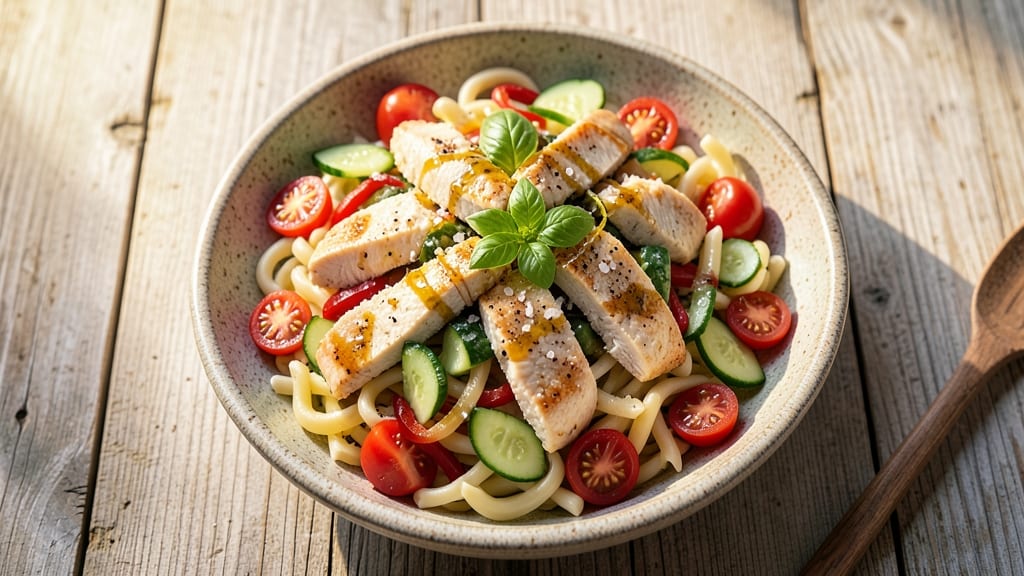
This one-pot chicken and vegetable pasta salad delivers restaurant-quality flavor with minimal effort—perfect for meal prep or last-minute lunches. The secret lies in cooking everything together, where tender chicken, crisp-tender vegetables, and al dente pasta absorb a bright herb vinaigrette that keeps the salad fresh for days.
I developed this recipe during a particularly hectic week when I needed a dish that could be prepped ahead and reheated without losing texture or flavor.
The beauty of this method is its flexibility—swap in seasonal vegetables or proteins, and the core technique remains the same. You'll start by cooking the pasta in broth-infused water, then add chicken and vegetables to finish together in the same pot.
This approach cuts down on cleanup and ensures every bite is packed with flavor from the herb vinaigrette, which is tossed in while everything is still hot. The result? A salad that's hearty enough for a main dish but light enough for a summer picnic.
What sets this recipe apart is the bold herb zing from a blend of fresh dill, parsley, and basil, balanced with a touch of lemon and garlic. The dressing clings to the pasta and vegetables, creating a cohesive, vibrant dish that's far from the wilted salads of the past.
The chicken stays juicy, the vegetables retain their crispness, and the pasta holds its shape—no soggy mess here. It's the kind of meal that transforms a simple lunch into something special without requiring hours in the kitchen.
Best of all, this pasta salad reheats beautifully, making it ideal for meal prepping. Pack it for work, serve it at gatherings, or enjoy it as a satisfying weeknight dinner. The one-pot method ensures you'll spend more time eating and less time cleaning up. Let's make this salad!
Ingredients for chicken and vegetable pasta salad
Sixteen ingredients for a salad that tastes like restaurant quality but made in one pot.
| Ingredient | Amount | Notes |
|---|---|---|
| Boneless, Skinless Chicken Breast 🍗 | 2 lb | Cut into bite-sized pieces |
| Short Pasta 🍝 | 12 oz | Farfalle or penne preferred |
| Chicken Broth 💧 | 4 cups | Low-sodium preferred |
| Cucumber 🥒 | 1 ½ cups | Diced, peeled if preferred |
| Cherry Tomatoes 🍅 | 1 ½ cups | Halved, seeds removed |
| Red Bell Pepper 🧅 | 1 whole | Diced, any color |
| Carrots 🥕 | 1 ½ cups | Julienned or thinly sliced |
| Fresh Dill 🌿 | ⅓ cup | Chopped, stems removed |
| Fresh Parsley 🌿 | ¼ cup | Chopped, stems removed |
| Fresh Basil 🌿 | ¼ cup | Chopped, stems removed |
| Extra-Virgin Olive Oil 🫒 | ½ cup | For cooking and dressing |
| Lemon Juice 🍋 | ⅓ cup | Freshly squeezed |
| Garlic Cloves 🧄 | 4 cloves | Minced, peeled |
| Dijon Mustard 🍯 | 1 tbsp | For dressing depth |
| Salt 🧂 | 1 ½ tsp | Kosher or sea salt |
| Black Pepper 🌶️ | 1 tsp | Freshly ground |
The chicken breast matters most—look for plump, even-sized pieces from the deli counter at Whole Foods or your local butcher. Pre-cut saves time, but if buying whole, trim excess fat and cut into 1-inch cubes for even cooking. The pasta should be short and sturdy—farfalle or penne hold up best to the one-pot method. For the vegetables, organic carrots from the store's produce section stay crunchier when julienned, but regular carrots work fine if peeled first. The bell pepper can be any color, but red stays vibrant longest—skip the green if you want to keep the salad looking fresh longer.
No fresh dill? Dried dill at one-third the amount works, but you'll lose that bright, fresh flavor. Short on cherry tomatoes? Grape tomatoes halved are perfect substitutes—just squeeze out the seeds. The dressing needs that Dijon mustard for tang, but in a pinch, 1 tbsp extra lemon juice gives similar bite. For the olive oil, store-brand is fine—just make sure it's extra-virgin. The garlic should be freshly minced (not jarred), and if you're prepping ahead, store it separately until tossing to keep the dressing fresh. The lemon juice can be made in advance, but squeeze it last to preserve the bright flavor.
This salad keeps beautifully for 4-5 days in the fridge, with the dressing clinging to everything. For meal prep, store the dressing separately in a small container and toss it in just before eating. The pasta and vegetables stay crisp for 3 days if stored in an airtight container, but the chicken stays juicy for 4 days max. Freeze portions of the dressing only for up to 3 months—just thaw and whisk before using. The one-pot method means minimal cleanup, but if you're prepping for a crowd, double the ingredients and use a large stockpot for even cooking.
Why You'll Love This Recipe
- No Chopping Chaos: I swear by this one—just dice the cucumber and halve those cherry tomatoes while the chicken simmers. No julienne skills required, and the broth does half the flavor work for you.
- Broth-Boosted Umami: That chicken broth isn’t just water—it turns the pasta into a savory dream. The cucumber stays crisp, the tomatoes pop, and the chicken? Tender enough to melt, but with just enough bite.
- Lunchbox Hero: Pack it cold for work or school—it stays fresh for days. Honestly, my kids beg for it in their lunches, and I’ve even brought it to potlucks (yes, even on a Tuesday night).
- Pantry Cleanser: Uses up leftover chicken, wilted veggies, or whatever pasta’s lurking. I’ll be real: it’s my go-to when I’m low on groceries but still want something that feels like a meal.
Step-by-step instructions for chicken and vegetable pasta salad
This one-pot method delivers restaurant-quality flavor with minimal cleanup.
Cook the Chicken and Pasta Together
In a large Dutch oven or heavy pot, combine the 2 lb boneless, skinless chicken breast (cut into bite-sized pieces), 12 oz short pasta, and 4 cups chicken broth. Bring to a boil over medium-high heat, then reduce to medium-low heat and simmer uncovered for 12-15 minutes until the chicken is cooked through and the pasta is al dente.
Here's the key: the chicken should reach an internal temperature of 165°F while the pasta remains firm to the bite. Stir occasionally to prevent sticking. The broth will reduce slightly, creating a flavorful base for your salad. If the liquid evaporates too quickly, add ¼ cup water to maintain simmering.
Add Vegetables and Simmer
Once the chicken is cooked, add the 1.5 cups diced cucumber, 1.5 cups halved cherry tomatoes, 1 diced red bell pepper, and 1.5 cups julienned carrots to the pot. Stir gently to combine, then continue simmering for another 5-7 minutes until the vegetables are tender-crisp with just a slight bite remaining.
Watch the vegetables carefully—they should retain their shape but soften enough to be easily pierced with a fork. The cucumbers will release some water, which helps create a self-dressing effect. If the mixture looks too dry, add 2-3 tablespoons of chicken broth to maintain moisture. The vegetables should be vibrant and bright, not mushy.
Prepare the Herb Dressing
In a small bowl, whisk together 0.5 cup extra-virgin olive oil, 0.33 cup freshly squeezed lemon juice, 1 tbsp Dijon mustard, 4 minced garlic cloves, 1.5 tsp salt, and 1 tsp freshly ground black pepper. Then stir in 0.33 cup chopped fresh dill, 0.25 cup chopped fresh parsley, and 0.25 cup chopped fresh basil.
This dressing is the heart of your salad. The acidity from the lemon juice brightens the flavors, while the Dijon mustard adds depth. The fresh herbs provide that signature herb zing promised in the title. Taste the dressing before adding it to the pasta—adjust the seasoning if needed, adding more salt, pepper, or lemon juice to suit your preference.
Combine and Chill
Remove the pot from heat and let it cool slightly for 2-3 minutes. Then pour the herb dressing over the pasta mixture and toss gently but thoroughly to coat everything evenly. The salad will look vibrant with the colors of the vegetables and herbs.
Transfer the salad to a large serving bowl or individual meal prep containers. Cover and refrigerate for at least 1 hour (or up to 3 days) to allow the flavors to meld together. The chilling time is crucial—it lets the dressing penetrate the pasta and vegetables, creating that perfect one-pot meal prep texture where every bite is flavorful.
Serve and Enjoy
Before serving, give the salad one final toss to redistribute the dressing. The pasta should be coated with a light, herby oil, and the vegetables should be bright and crisp. Serve immediately for the best texture, or enjoy cold from the refrigerator for a refreshing meal.
This dish delivers on the one-pot promise while creating a complete, balanced meal. The protein-rich chicken pairs perfectly with the fresh vegetables, and the herby dressing ties everything together. Each bite offers a mix of textures—tender pasta, crisp vegetables, and juicy chicken—all infused with bold herb flavors.
Pro Tips For Making Chicken And Vegetable Pasta Salad
- Poach Chicken Low: Simmer the chicken breast in the broth at a gentle boil—no rolling, just tiny bubbles—and cover it for 12-15 minutes. I used to sear first, but the broth keeps it juicy without drying out, and the flavor gets infused into the salad dressing later. (Yes, even if you’re impatient like me, resist the urge to rush.)
- Halve Cherry Tomatoes Now: Cut those cherry tomatoes in half before adding them to the pasta salad—right after they cool. Whole ones turn to mush and release bitter juice; halved ones stay crisp and brighten the dish. I learned this the hard way when I tossed them in whole and got a watery, sad salad.
- Shock Pasta Immediately: Drain the pasta, then plunge it into ice water for 30 seconds. This stops the cooking and keeps it from turning gummy when mixed with cold chicken and veggies. I skip this sometimes, and the salad always feels heavier—don’t let that happen.
- Toss Pasta Dry: Drain the pasta well and shake off excess water before mixing with anything. Wet pasta makes the salad soggy, and no one wants a soggy pasta salad. (I know, I know—it’s easy to overlook, but trust the process.)
Common mistakes when making this dish
Overcooking Chicken
The biggest mistake I see is letting chicken turn dry and rubbery. Since we're cooking it in broth, it's easy to forget it needs 165°F internal temperature—not 175°F. Use a meat thermometer to check the thickest piece.
I've ruined more salads than I care to admit by overcooking chicken in broth, so set a timer for 12-15 minutes max after boiling begins. 🌡️
Undercooking Pasta
Al dente is key, but many people pull pasta too early when cooking with chicken. Test your pasta 1 minute before the package's recommended time—it'll finish cooking in the residual heat.
I learned this the hard way when my farfalle turned mushy in a pot of broth. For short pasta like penne, 10-11 minutes in boiling broth is perfect.
Skipping Chill Time
Rushing the 1-hour chill is a flavor disaster. The dressing needs time to marry with everything, and the vegetables need to firm up. I've served this salad immediately after mixing, and while it's edible, it lacks that restaurant-quality depth.
Trust me, the wait makes it worth it—especially when you're prepping for a crowd.
Wrong Vegetable Prep
Cutting vegetables too small makes them disappear into the pasta. Cucumbers should be ½-inch dice, cherry tomatoes halved, and carrots julienned (not shredded). I once used matchstick carrots and they turned to mush in minutes.
The goal is tender-crisp, not mushy. Prep them right before adding to the pot to maintain texture.
Dressing Too Early
Adding dressing while everything's still hot creates a soggy mess. Let the salad cool slightly (2-3 minutes) before tossing. The hot pasta will cook the dressing's herbs, killing their freshness.
I've made this mistake when prepping ahead—always wait until the pot is cool enough to handle before adding the dressing. The 1-hour chill afterward is when the magic happens.
Ignoring Liquid Levels
Broth evaporates fast, but adding too much water dilutes the flavor. If the mixture looks dry, add just 2-3 tablespoons of broth at a time. I've seen people drown their salad in water, turning it into a sad, watery dish.
The broth should reduce to coat the pasta lightly—not pool at the bottom. Taste as you go! 💡
Nutrition facts
Frequently asked questions
Can I use rotisserie chicken instead of fresh?
Rotisserie chicken works perfectly and saves time. Just shred or chop 2 cups of cooked chicken (about 1 lb) and add it to the pot with the pasta during the final 5-7 minutes of cooking. The chicken will warm through while absorbing all those herb flavors.
How do I keep the salad from getting soggy?
The key is proper prep and timing. Cook vegetables just until tender-crisp (about 5-7 minutes total), then let the salad cool slightly before adding dressing. Store components separately if prepping ahead: keep dressing in a small container and toss it in right before serving. The 1-hour chill after mixing is also critical for texture.
What's the best pasta shape for this recipe?
Short, sturdy pastas work best—farfalle or penne hold up perfectly in the one-pot method. Avoid long shapes like spaghetti or linguine as they'll break apart. For extra texture, try fusilli or rotini, which also hold dressing well. The goal is pasta that maintains shape while soaking up flavor.
Can I make this vegetarian?
Yes! Swap the chicken for 1 cup cooked quinoa or 1 lb chickpeas (rinsed if canned). For protein, add ½ cup crumbled feta or ½ cup toasted pine nuts after chilling. The herb dressing and vegetable ratio stay the same—just adjust the cooking time for your protein substitute.
How long does this salad keep in the fridge?
The salad stays fresh for 4-5 days when stored in an airtight container. Keep the dressing separate until serving to maintain crispness. The chicken remains juicy for 4 days max, while vegetables stay vibrant for 3 days. For longer storage, freeze the dressing separately for up to 3 months—just thaw and whisk before using.