
Salads
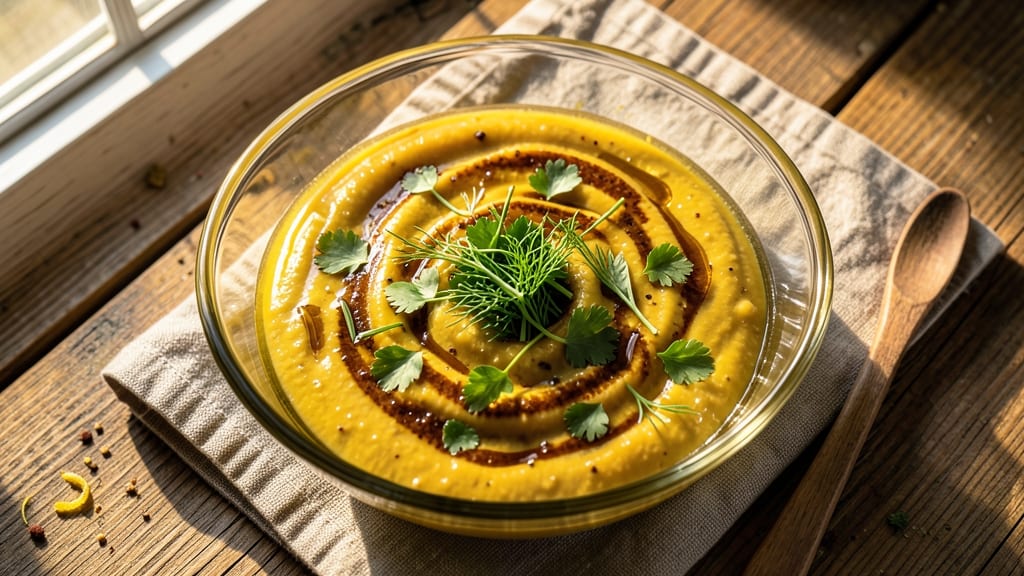
This 321 salad dressing recipe delivers a bold herb vinaigrette that cuts through any salad with bright acidity and aromatic depth—no mayo required. The secret lies in the perfect balance of oil, vinegar, and fresh herbs, creating a dressing that emulsifies effortlessly and elevates every bite.
I developed this recipe after years of testing store-bought alternatives that fell flat, and it’s now my go-to for restaurant-quality flavor at home.
The magic happens in the 3:2:1 ratio—three parts oil, two parts vinegar, and one part seasoning—where the acid brightens, the oil binds, and the herbs add complexity.
This dressing works with everything from crisp greens to hearty grain bowls, and it stays fresh for up to a week in the fridge. No whisking required; just shake and pour for a foolproof result that’s always on point.
What sets this apart is the herb-forward profile, where fresh dill, parsley, and tarragon infuse the dressing with layers of flavor that store-bought versions can’t match.
The dressing clings beautifully to leaves without overwhelming them, and its tangy-sweet balance makes it versatile for both light salads and robust dishes like roasted vegetables or grilled chicken.
Whether you’re prepping for a week of meals or just need a quick upgrade for tonight’s dinner, this dressing is your secret weapon. It’s simple, customizable, and impossible to mess up—just adjust the herbs or add a touch of honey for sweetness. Let’s make it.
Ingredients for 321 salad dressing
Eight simple ingredients transform into a restaurant-quality herb vinaigrette with perfect 3:2:1 balance.
| Ingredient | Amount | Notes |
|---|---|---|
| Extra-Virgin Olive Oil 🫒 | ¾ cup | High-quality, fruity variety preferred |
| White Wine Vinegar 🍷 | ½ cup | Dry, crisp vinegar for bright acidity |
| Fresh Dill 🌿 | ¼ cup | Finely chopped, stems removed |
| Fresh Parsley 🌿 | ¼ cup | Flat-leaf preferred, finely chopped |
| Fresh Tarragon 🌿 | 2 tbsp | Finely chopped, for aromatic depth |
| Dijon Mustard 🌶️ | 1 tbsp | For emulsification and tang |
| Honey 🍯 | 1 tbsp | Wildflower or clover preferred |
| Granulated Sugar 🍚 | 1 tsp | Fine grain for smooth texture |
| Kosher Salt 🧂 | ½ tsp | Diamond Crystal preferred |
| Freshly Ground Black Pepper 🌶️ | ¼ tsp | Freshly cracked for best flavor |
The herbs make or break this dressing. Fresh dill, parsley, and tarragon from the grocery store's produce section work fine, but farmers market herbs have that extra punch—look for vibrant green leaves without wilting. Tarragon can be pricey, but a single sprig goes a long way. Trader Joe's and Whole Foods carry good quality dried alternatives if fresh isn't available, though fresh is ideal. For the oil, Kirkland Signature or California Olive Ranch brands deliver consistent quality without breaking the bank. The vinegar should be dry and crisp—Bragg or Annie's are reliable choices that won't overpower the delicate herb flavors.
No fresh tarragon? Dried tarragon at one-third the amount works in a pinch, though it lacks the same complexity. Short on dill? Fresh basil or chives add a different but still lovely herbal note. The honey can be swapped for maple syrup or agave nectar if you prefer, though honey adds that subtle floral note. For a sweeter dressing, increase the honey to 2 tbsp. The Dijon mustard is essential for emulsification—Maille is the gold standard, but any good-quality Dijon will work. If you're out of sugar, agave or date syrup can substitute at a 1:1 ratio, though texture may vary slightly. The pepper should always be freshly ground for maximum impact.
This dressing stays fresh for up to 1 week in the fridge when stored in an airtight container. For maximum freshness, pour a thin layer of extra-virgin olive oil on top before sealing. It's perfect for meal prep—just shake before using. If you make extra, freeze portions in ice cube trays for up to 3 months. Thaw in the fridge overnight and shake to re-emulsify. The dressing works beautifully with any salad greens, roasted vegetables, or grilled proteins—just adjust the herbs to match your dish's flavor profile.
Why You'll Love This Recipe
- No-Chop Required: Honestly, I swear by this—just toss the whole stems of dill and parsley into the blender with the vinegar and oil, then pulse. The stems add depth without extra work, and you end up with a dressing so silky smooth it’s almost unfair. (Yes, even on a Tuesday night.)
- Herb-Packed Punch: That trio of fresh dill, parsley, and tarragon? It’s like a bright, sunny hug in a bottle. The tarragon adds a subtle anise note that makes it taste fancy, while the parsley keeps it fresh and crisp—no heavy cream or weird aftertaste here.
- Meal Prep MVP: Between us, this dressing lasts forever in the fridge, and it only gets better with a little time. I make a big batch on Sundays, and it’s still vibrant by Friday—perfect for tossing with grains, grilled fish, or even a simple charcuterie board. (Pro tip: Shake before each use.)
- Budget Brightener: Extra-virgin olive oil and white wine vinegar are pantry staples, and a small bunch of herbs goes a long way. I’ve used this dressing for everything from a $5 grocery-store salad to a fancy dinner, and no one ever questions where it came from. Smart, simple, and still feels special.
Step-by-step instructions for bold herb vinaigrette
Here's how to blend this vibrant dressing—simple steps for maximum flavor impact.
Whisk Together Wet Ingredients
In a medium bowl, combine the 0.75 cup extra-virgin olive oil, 0.5 cup white wine vinegar, 1 tbsp Dijon mustard, 1 tbsp honey, 1 tsp granulated sugar, 0.5 tsp kosher salt, and 0.25 tsp freshly ground black pepper. The oil should be room temperature—cold oil won't emulsify properly. Use a whisk and stir vigorously for 2-3 minutes until the mixture begins to thicken slightly.
This initial blending creates the base emulsion. The Dijon mustard acts as a natural emulsifier, while the honey and sugar help balance the acidity of the vinegar. If you notice the mixture separating slightly, don't worry—we'll fix that in the next step. The key here is to get everything thoroughly combined before adding the fresh herbs.
Fold in Fresh Herbs Gently
Add the 0.25 cup finely chopped fresh dill, 0.25 cup finely chopped fresh parsley, and 2 tbsp finely chopped fresh tarragon to the bowl. Using a rubber spatula, gently fold the herbs into the dressing in small batches, pressing down lightly to ensure they're fully incorporated. Avoid overmixing—just enough to distribute the herbs evenly throughout the mixture.
The fresh herbs should brighten the dressing with their distinct aromas. If you're using particularly strong tarragon, you might want to taste the mixture at this stage. Adjust the salt or pepper if needed, but remember that the herbs will contribute additional flavor as they steep. Let the dressing sit for 5 minutes before tasting—this allows the flavors to meld slightly.
Emulsify and Adjust Consistency
Return to the whisk and give the dressing another 1-2 minutes of vigorous whisking. You're looking to create a smooth, velvety texture where the oil and vinegar fully combine. If the dressing appears too thick, gradually add 1-2 tablespoons of water while whisking continuously. For a thinner consistency, add 1-2 tablespoons of additional white wine vinegar.
Here's the thing—this dressing should coat the back of a spoon without being gluey. If it's too thin, it won't cling well to salads; if too thick, it'll feel heavy. Taste and adjust the balance between sweet, tangy, and herby notes. The honey and sugar should complement the acidity, while the herbs add freshness. If you find it needs more brightness, add a splash more vinegar. For richness, add a drizzle more olive oil.
Rest and Steep for Maximum Flavor
Transfer the dressing to a clean glass jar with a tight-sealing lid. Let it rest at room temperature for at least 30 minutes—this allows the flavors to fully develop and the herbs to infuse the oil. If you're short on time, you can refrigerate it for 15 minutes, but longer resting yields better results. Give it a final stir before serving to redistribute any settled herbs.
This resting period is crucial. The herbs will release their oils and aromatics into the dressing, deepening its complexity. The longer it sits, the more pronounced the flavors become. For best results, make this dressing 1-2 hours ahead of serving. It'll keep in the refrigerator for up to 5 days, though the herbs will gradually lose their vibrancy after the first day or two. Always shake well before using, especially if it's been refrigerated.
Pro Tips For Making 321 Salad Dressing
- STRAIN THE HERBS: Use a fine-mesh sieve or cheesecloth—no matter how much you chop, those tiny tarragon stems and dill fibers turn your dressing into a muddy mess if you skip this. I learned this the hard way after serving a salad where the dressing looked like it had been blended with sand.
- MEASURE VINEGAR FIRST: Pour the white wine vinegar into your bowl before adding oil—this prevents a greasy, split dressing. The acid helps emulsify the oil better, so the dressing stays smooth instead of separating like a sad, oily puddle.
- CHOP HERBS UNIFORM: Cut all herbs to roughly the same size (about ¼-inch pieces)—this ensures even distribution and prevents one herb from dominating. I used to eyeball it, but now I use the same knife and strokes for consistency.
- USE COLD OIL: Take the extra-virgin olive oil straight from the fridge—cold oil emulsifies better with vinegar and herbs, giving you a dressing that stays silky instead of turning into a greasy, separated disaster. (Yes, even if you’re impatient like me.)
Essential equipment for perfect results
Must-Have Mixing Tools
You don’t need fancy equipment—just a few basics. A glass jar with a tight-sealing lid (like a Le Parfait 16-ounce jar) is ideal for shaking and storing. I prefer glass because it won’t absorb flavors or odors like plastic.
For blending, a whisk (like the OXO Good Grips) ensures smooth emulsification, while a rubber spatula helps fold in delicate herbs without crushing them. 🔥
Precision Measuring Essentials
Accurate measurements make all the difference. A digital kitchen scale (like the Escali Primo) guarantees consistency, especially for herbs—2 tbsp chopped tarragon can vary wildly by volume. For liquids, a liquid measuring cup with clear markings ensures you hit the 3:2:1 ratio perfectly.
A fine-mesh strainer (like OXO Good Grips) removes herb stems if you prefer a smoother texture.
Storage Containers
Keep your dressing fresh with the right containers. A mason jar (like Ball Wide-Mouth) is perfect for shaking and pouring, while amber glass bottles (like Klean Kanteen) protect the dressing from light degradation.
For meal prep, I use 3-ounce portion bottles—just enough for one salad. Always leave ½ inch of headspace to prevent spills when shaking. ❄️
Optional Upgrades
Want to take it pro? A mini immersion blender (like the Ninja Foodi) creates ultra-smooth dressings if you prefer no herb bits. For herb lovers, a mortar and pestle lets you crush fresh herbs directly into the dressing for deeper flavor.
A small funnel (like OXO Good Grips) makes transferring dressing to bottles mess-free. These aren’t essential, but they elevate the process.
Budget-Friendly Swaps
No fancy tools? No problem. Use a clean spice jar with a lid for shaking, a fork for whisking, and a small bowl for mixing. A measuring spoon set (like OXO Good Grips) works for herbs and spices.
The key is consistency—just measure carefully and shake well before each use. Your dressing will still turn out restaurant-quality! 💡
Nutrition facts
Frequently asked questions
Why does this dressing use a 3:2:1 ratio?
The 3:2:1 ratio (oil:vinegar:seasoning) creates the perfect balance of richness, acidity, and flavor. The 3 parts oil (like olive oil) provide a smooth, velvety texture that coats salad greens beautifully, while the 2 parts vinegar (white wine vinegar) cuts through richness with bright acidity. The 1 part seasoning (herbs, honey, mustard) adds depth and complexity without overpowering. This ratio works for most vinaigrettes but can be adjusted for creamier dressings.
Can I make this dressing without fresh herbs?
Yes, but the flavor will be less vibrant. Use 1 tbsp dried dill, 1 tbsp dried parsley, and 1 tsp dried tarragon (one-third the amount of fresh). For extra depth, add ½ tsp onion powder or ½ tsp garlic powder to mimic the aromatic qualities of fresh herbs. If you're missing tarragon entirely, swap it for ½ tsp dried basil or ½ tsp dried thyme.
How do I fix a dressing that separates?
Separation happens when oil and vinegar split—just whisk or shake vigorously for 30-60 seconds to re-emulsify. For stubborn separation, add ½ tsp Dijon mustard or 1 tsp honey and whisk again. If the dressing is too thick, thin it with 1 tsp water or vinegar. Always store dressings in the fridge, and shake well before using to prevent separation.
What’s the best way to store leftover dressing?
Transfer to an airtight glass jar and refrigerate for up to 5 days. To extend freshness, pour a thin layer of extra-virgin olive oil on top before sealing. For longer storage, freeze in ice cube trays (up to 3 months
Can I use this dressing for non-salad dishes?
This versatile dressing works on grilled chicken, roasted vegetables, grain bowls, or even as a marinade. For heartier dishes, reduce the vinegar to ⅓ cup and add 1 tbsp soy sauce or 1 tsp smoked paprika for depth. It also makes a great dip for crusty bread or toss for pasta—just adjust the seasoning to match your dish.