
Salads
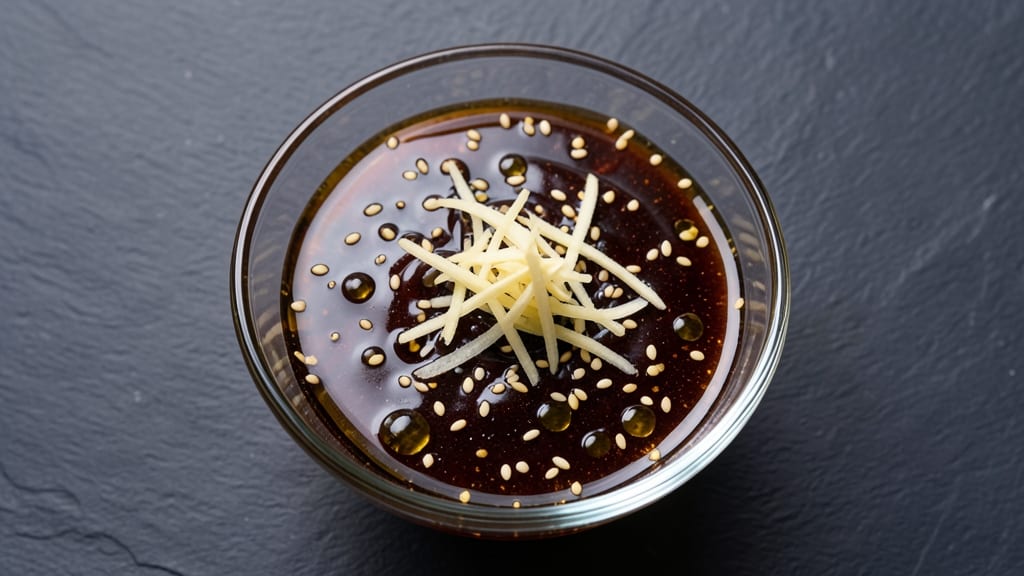
This ahi poke salad dressing recipe transforms simple ingredients into a vibrant, tangy sauce that elevates fresh poke bowls to restaurant-quality. The balance of soy, ginger, and citrus creates a bright, umami-packed dressing that clings perfectly to raw fish and vegetables without overpowering delicate flavors.
What makes this dressing special is its simplicity—just six ingredients combine to create a sauce that's both bold and balanced. The secret lies in toasting sesame seeds for nutty depth and letting the dressing rest for 10 minutes before using, allowing flavors to meld beautifully.
It's designed to complement ahi tuna but works equally well with salmon or shrimp poke.
By the time you drizzle this dressing over your poke bowl, you'll taste layers of savory soy, fresh ginger, and bright citrus that cut through the richness of raw fish.
The dressing stays fresh in the fridge for up to a week, making it perfect for meal prep or serving guests. It's the kind of sauce that turns a simple bowl into something extraordinary.
The best part? This recipe is fully customizable—add a dash of sriracha for heat, swap honey for agave for a vegan option, or boost the umami with a splash of fish sauce. Here's how to make it perfectly every time.
Ingredients for ahi poke salad dressing
Six simple ingredients create a restaurant-quality poke dressing that brightens every bowl.
| Ingredient | Amount | Notes |
|---|---|---|
| Soy Sauce 🍶 | ½ cup | High-quality, reduced for depth |
| Fresh Ginger 🌿 | 2 tbsp | Finely grated, fresh preferred |
| Sesame Oil 🫒 | 1 tbsp | Toasted for nutty aroma |
| Toasted Sesame Seeds 🌰 | 1 tbsp | Lightly browned in dry pan |
| Honey 🍯 | 1 tbsp | Or agave for vegan option |
| Rice Vinegar 🍶 | 2 tbsp | Seasoned preferred for balance |
| Sesame Seeds 🌰 | 1 tsp | Extra for garnish if desired |
| Garlic Cloves 🧄 | 2 cloves | Minced, fresh preferred |
| Lemon Juice 🍋 | 1 tbsp | Freshly squeezed |
| Fish Sauce 🐟 | ½ tbsp | Optional for extra umami |
The soy sauce and ginger form the dressing's foundation—look for reduced soy sauce at Asian markets for deeper flavor, or use regular soy sauce if that's what you have. Fresh ginger is essential here; pre-grated ginger from the jar lacks the punch. For sesame oil, Kadoya or La Choy are reliable brands, but any toasted sesame oil will work. Toasting the sesame seeds in a dry pan for 30 seconds until fragrant amplifies their nutty aroma—don't skip this step. The garlic should be minced finely so it blends seamlessly into the sauce.
No honey? Agave or maple syrup work perfectly for a vegan version. Swap rice vinegar for apple cider vinegar if needed, though seasoned rice vinegar adds a subtle sweetness that balances the soy. Want more umami? A splash of Red Boat fish sauce (or any high-quality brand) elevates the dressing significantly. For heat, add a dash of sriracha or gochujang—start with ½ tsp and adjust to taste. The lemon juice can be freshly squeezed or bottled, but fresh is always better if you've got it. If you're using fish sauce, let it sit for 5 minutes before tasting so flavors meld.
This dressing keeps beautifully in an airtight container in the fridge for up to 1 week, though it's best used within 3-4 days for peak flavor. For meal prep, double the batch—it's perfect for drizzling on poke bowls, salads, or even grilled fish. If the dressing separates, simply whisk before using. Garnish with extra sesame seeds right before serving to add texture and visual appeal. The dressing thickens slightly when chilled, so thin with a splash of water if needed.
Why You'll Love This Recipe
- Five-Ingredient Magic: I swear, this dressing comes together in three minutes—no fancy techniques, just a whisk and a jar. The ginger’s already pre-peeled, the sesame seeds toast in seconds, and the honey cuts through the saltiness like a dream.
- Umami Bomb: Between the soy sauce’s deep savoriness and that hit of toasted sesame oil, this isn’t just dressing—it’s flavor therapy. Honestly, the honey balances it so well I’ve drizzled it on everything from tofu bowls to grilled chicken.
- Weeknight Superstar: Make a double batch and store it in the fridge for up to a week. It’s my go-to for lazy nights when I’m too tired to measure spices but still want something that tastes like I tried. Works on salads, noodles, or even as a marinade.
- Budget Bright Spot: Sesame oil and soy sauce are pantry staples, and fresh ginger lasts forever if you freeze it. I’ve made this for under $3 a batch, and it still feels like a fancy restaurant trick. Between us, it’s the kind of recipe that makes you question why you ever paid for pre-made dressings.
Step-by-step instructions for ahi poke salad dressing
This dressing delivers the perfect balance of umami, brightness, and aromatic depth for fresh poke bowls.
Prepare the Ginger and Garlic Base
Peel and finely grate the 2 tablespoons fresh ginger using a microplane or fine grater. The goal is to create a paste-like texture that will fully dissolve into the dressing. Set aside in a small bowl.
In the same bowl, add the 2 cloves garlic and minced them until you have a fine, almost paste-like consistency. The smaller the pieces, the better they'll distribute throughout the dressing. I like to press the garlic through a garlic press for even dispersion.
Combine Wet Ingredients for Balance
In a medium mixing bowl, whisk together the ½ cup soy sauce, 2 tablespoons rice vinegar, 1 tablespoon honey, and 1 tablespoon lemon juice. This combination creates the foundational flavor profile—salty, tangy, sweet, and acidic. Stir until fully incorporated and the honey has completely dissolved.
Add the ginger-garlic mixture and whisk vigorously for 30 seconds to ensure everything is evenly distributed. The dressing should take on a pale golden color with visible flecks of ginger and garlic. Taste at this stage—you'll notice the raw flavors of ginger and garlic that will mellow as we add the remaining ingredients.
Build Depth with Sesame and Fish Sauce
Drizzle in the 1 tablespoon sesame oil while whisking continuously. The oil will emulsify with the other liquids, creating a silky texture. Next, add the ½ tablespoon fish sauce and whisk until fully combined. The fish sauce adds an extra layer of umami that elevates this dressing from good to exceptional.
Finally, stir in the 1 tablespoon toasted sesame seeds to add texture and nutty aroma. These seeds should remain whole and visible, providing both visual appeal and crunchy contrast to the smooth dressing. Set aside to let the flavors meld for 5 minutes before using.
Adjust and Finish with Garnish
Taste the dressing and make any necessary adjustments. If it needs more brightness, add a splash more lemon juice. For additional depth, you might want to add a touch more fish sauce. The dressing should be perfectly balanced—salty, tangy, sweet, and aromatic with a slight funkiness from the fish sauce.
For serving, transfer the dressing to a small bowl and sprinkle with the 1 teaspoon sesame seeds reserved for garnish. These seeds will add an extra layer of texture and visual appeal when drizzled over your poke bowls. The dressing will keep in the refrigerator for up to 5 days, making it perfect for meal prep.
Pro Tips For Making Ahi Poke Salad Dressing
- GRATE THE GINGER FINE: I learned this the hard way—chunky ginger bits make your dressing taste like you rushed. Use the small holes of a box grater or a microplane to get a paste-like texture that blends smoothly, not just adds texture. (Yes, even if you’re impatient like me.)
- TOAST SEEDS LOW AND SLOW: Skip the high-heat pan pop—sesame seeds burn faster than you’d think. Warm them in a dry skillet over medium-low for 2-3 minutes, stirring constantly, until they’re golden and fragrant. Overcook them, and they’ll turn bitter. Undercook them, and they’ll taste dull.
- BALANCE THE SWEET FIRST: Honey can overpower the umami if you pour it in blind. Start with half the amount called for, taste, then adjust. The dressing should taste like a conversation, not a monologue—soy and ginger should still shine, not get drowned out.
- WHISK IN THE SESAME OIL LAST: This isn’t just about flavor—it’s about texture. If you add it early, the oil will separate and make your dressing greasy instead of silky. Stir it in at the very end, right before tossing with the ahi, and let it emulsify into the mix. (Your future self will thank you.)
Essential equipment for perfect results
Whisking Essentials
For this dressing, a small whisk (like the OXO Good Grips) is ideal—it creates emulsification without overworking the delicate balance of flavors. I prefer a balloon whisk for its flexibility, but any whisk will work.
Avoid metal spoons that can leave streaks in the sauce. If you don’t have a whisk, a fork works in a pinch, though it requires more elbow grease. 💫
Toasting Sesame Seeds
A lightly oiled nonstick skillet (I use Calphalon) is perfect for toasting sesame seeds. Heat over medium-low for 30-45 seconds until fragrant and just golden—don’t let them brown or they’ll turn bitter.
Transfer seeds to a plate immediately to stop cooking. For extra efficiency, use a small cast-iron skillet if you have one, as it retains heat better. 🌰
Ginger Graters
A microplane (like Bar-Kays) is my go-to for ginger—it produces a fine paste that blends seamlessly into the dressing. If you don’t own one, a fine grater or even a cheese grater works, but you’ll need to press harder.
Avoid pre-grated ginger from jars; it’s often watery and lacks freshness. For speed, a food processor can also work, but pulse briefly to avoid turning it into a pulp. 🌿
Storage Containers
Transfer the dressing to an airtight glass container (I recommend Le Parfait) for fridge storage. Glass preserves flavors better than plastic and won’t absorb odors. Leave ½ inch headspace to prevent spills, and seal tightly to maintain freshness.
For meal prep, I use small mason jars—they’re perfect for portion control and easy to grab when assembling poke bowls. ❄️
Optional Tools
A garlic press (like OXO’s) saves time and ensures even mincing, but a knife works fine if you’re patient. For extra umami, a small funnel helps when adding fish sauce to avoid spills.
If you love garnishes, keep a sprinkle jar (like McEwen’s) of sesame seeds handy for quick decoration. These tools aren’t mandatory, but they streamline the process. 💡
Nutrition facts
Frequently asked questions
Can I make this dressing without fish sauce?
Yes! The fish sauce adds umami depth, but you can omit it entirely or substitute with ½ tablespoon extra soy sauce or 1 teaspoon mushroom powder. For a vegan version, skip the fish sauce and use agave instead of honey. The dressing will still taste balanced, though slightly less complex.
How much dressing should I make for a poke bowl?
Start with 2 tablespoons per bowl—this recipe makes about ½ cup total, perfect for 2-3 servings. For a full poke platter (serving 4-6), double the recipe. The dressing clings well to fish and rice, so a little goes a long way. Adjust to taste after tasting the raw fish first.
Why does my dressing look separated?
This happens when oil and liquid ingredients aren't fully emulsified. Simply whisk vigorously for 30 seconds or use a small fork to blend. If it still separates, add 1 teaspoon extra rice vinegar or ½ teaspoon honey to help bind the mixture. The dressing should thicken slightly when chilled, which is normal.
Can I use this dressing on other dishes?
This versatile sauce works beautifully on grilled shrimp skewers, cold noodle salads, or even as a marinade for tofu. The ginger-soy base pairs well with cucumber rolls or steamed veggies. For extra zing, drizzle it over seared scallops or rice paper wraps. The key is balancing it with fresh, bright ingredients.
What's the best way to store leftovers?
Transfer to an airtight glass container and refrigerate for up to 5 days. The flavors actually improve after 24 hours as ingredients meld. If the dressing thickens, thin with 1 teaspoon water before using. Freezing isn't recommended as the texture may separate. For meal prep, store in small mason jars for easy portioning.