
Salads
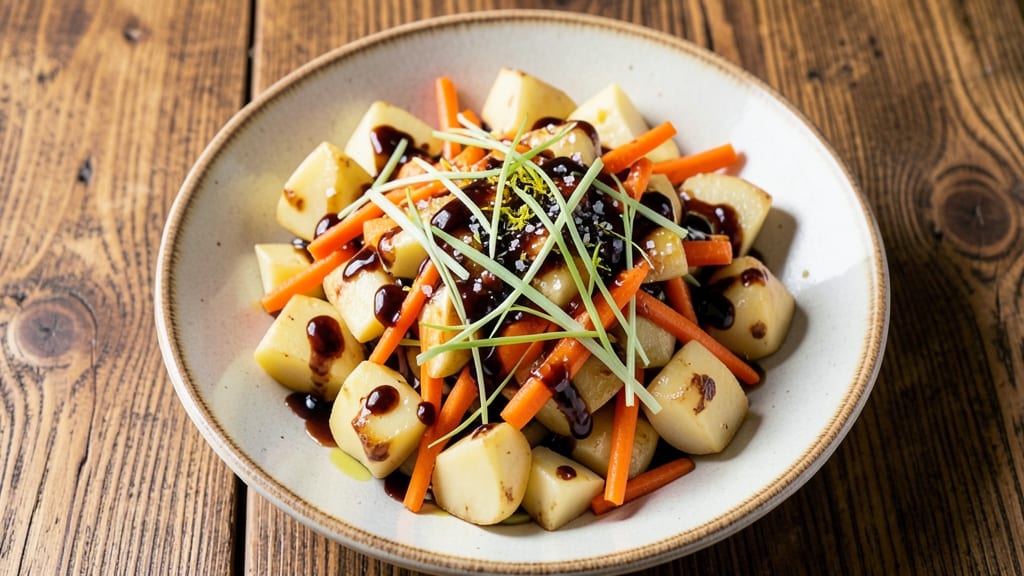
This carrot and potato salad recipe transforms humble ingredients into a vibrant, textured dish that balances sweet and tangy flavors with satisfying crunch. The secret lies in a sweet vinegar glaze that tenderizes the vegetables while adding depth, paired with crisp celery bites for contrast.
I developed this version after discovering how a simple glaze could elevate a classic side dish into something special—perfect for potlucks, picnics, or even as a hearty vegan main course.
The beauty of this salad is its flexibility—whether you're boiling potatoes for tender bites or roasting them for caramelized edges, the method adapts to your preference. The dressing, made with just a few pantry staples, cuts through the earthiness of the vegetables while enhancing their natural sweetness.
For extra texture, toasted nuts or fresh herbs can be folded in at the end, making this recipe endlessly customizable.
What you'll end up with is a salad that's as visually appealing as it is delicious—bright orange carrots, creamy potatoes, and crisp celery all coated in a glossy, tangy glaze.
The flavors develop beautifully when chilled, allowing the sweetness of the carrots and the acidity of the dressing to meld into perfect harmony. This dish is equally at home as a side for grilled meats or as a standalone meal for those following plant-based diets.
Best of all, it keeps well in the refrigerator for up to five days, making it ideal for meal prep. Whether you're serving a crowd or planning ahead for the week, this carrot and potato salad delivers restaurant-quality results with minimal effort. Let's get started on creating this crowd-pleasing dish.
Ingredients for carrot and potato salad
Sweet glaze, crisp veggies, and creamy potatoes—this salad packs vibrant flavor and satisfying texture.
| Ingredient | Amount | Notes |
|---|---|---|
| Carrots 🥕 | 2 ½ lb | Medium size, peeled and cut into sticks |
| Yukon Gold Potatoes 🥔 | 3 lb | Waxy variety, boiled or roasted |
| Celery Stalks 🧅 | 4 whole | Fresh, cut into thin matchsticks |
| Red Wine Vinegar 🍷 | ½ cup | Bold and dry for tangy glaze |
| Maple Syrup 🍯 | ¼ cup | Pure, for sweet balance |
| Olive Oil 🫒 | ¼ cup | Extra-virgin for richness |
| Dijon Mustard 🌶️ | 1 tbsp | For depth of flavor |
| Salt 🧂 | 1 ½ tsp | Kosher or sea salt |
| Black Pepper 🌶️ | ½ tsp | Freshly ground for warmth |
| Fresh Parsley 🌿 | ¼ cup | Chopped, for fresh finish |
| Toasted Walnuts 🥜 | ½ cup | Optional crunchy texture |
| Lemon Juice 🍋 | 2 tbsp | Freshly squeezed for brightness |
The carrots and potatoes are the stars here. Yukon Gold potatoes hold their shape perfectly when boiled or roasted—red potatoes work too, but Yukon Golds stay creamier. For the carrots, organic or conventional both work, but organic avoids the dirtier dozen. I always grab the medium-sized carrots from the produce section—they're sweetest and easiest to peel. Celery? Fresh is a must—the crunch is non-negotiable. If you're prepping ahead, store the raw veggies separately in the fridge until ready to glaze, so they don't get soggy.
No red wine vinegar? Apple cider vinegar works in a pinch, but it'll be slightly sweeter. Maple syrup hard to find? Agave nectar is a 1:1 swap. For extra richness, add 1 tbsp tahini to the dressing. Want more crunch? Toasted pecans or sunflower seeds are great alternatives to walnuts. The parsley can be dried at one-third the amount, but fresh is always better. If you're making this ahead, skip the parsley and walnuts until serving—keeps everything crisp.
This salad tastes even better the next day as the flavors meld. Store the glaze separately and toss it all together right before serving. Keeps in the fridge for 5 days—perfect for meal prep. For extra vibrancy, add a squeeze of lemon right before serving. The dressing can be made 3 days ahead and stored in a jar. If you're serving a crowd, double the recipe—it's that good.
Why You'll Love This Recipe
- No Boil, No Stress: I swear by the roasted method—toss those Yukon Golds and carrots in the oven with olive oil until they’re tender and caramelized. No peeling, no boiling, no fuss. The maple syrup glaze? That’s where the magic happens—sticky, sweet, and just enough tang from the red wine vinegar to cut through it.
- Sweet-Savory Balance: Between us, this salad hits different. The celery adds that fresh crunch, while the maple and vinegar play off each other like a perfect duet. Honestly, it’s the kind of flavor that makes you go back for seconds—even when you’re supposed to be saving room for the main.
- Lunchbox Legend: I pack this cold or at room temp—no reheating needed. The potatoes stay firm, the carrots hold their bite, and the dressing clings just enough to keep everything cohesive. My kids fight over it in their lunchboxes, and my husband sneaks bites straight from the fridge. (Yes, even on a Tuesday night.)
- Budget-Friendly Staples: Carrots, potatoes, celery—these are the ingredients I always have on hand. No specialty items, no markup. The red wine vinegar and maple syrup? A splash each, and boom, you’ve got a dressing that costs pennies but tastes like you slaved over it. Leftovers? They’re my secret weapon for quick dinners or picnic sides.
Step-by-step instructions for sweet vinegar glazed carrot and potato salad
This salad brings bold flavors and satisfying textures together in perfect harmony.
Prepare the Vegetables for Cooking
Start by peeling the 2.5 lb carrots and cutting them into even ½-inch thick sticks. I like to use a mandoline for consistency, but a sharp chef's knife works too. Next, peel the 3 lb Yukon Gold potatoes and cut them into 1-inch cubes—this size ensures they cook uniformly without turning mushy.
Place the carrots and potatoes in separate bowls of cold, salted water (about 1 teaspoon salt per quart of water). Bring to a boil over medium-high heat, then reduce to a gentle simmer. Cook the carrots for 8-10 minutes until they're tender but still hold their shape. The potatoes will take longer—simmer them for 12-15 minutes until a knife slides in easily. Drain both immediately and rinse under cold water to stop the cooking process and prevent over-softening.
Create the Sweet Vinegar Glaze
In a medium bowl, whisk together the 0.5 cup red wine vinegar, 0.25 cup maple syrup, 0.25 cup olive oil, 1 tablespoon Dijon mustard, 1.5 teaspoons salt, and 0.5 teaspoon black pepper. This is where the magic happens—the tangy vinegar balances the sweet maple syrup, while the mustard adds depth. Taste and adjust the seasoning if needed, but remember, the flavors will meld as it sits.
Now, thin the glaze slightly by whisking in 2 tablespoons lemon juice. This brightens the entire salad and prevents the dressing from being too heavy. Set the dressing aside while you finish prepping the remaining ingredients.
Add Crunch and Freshness
While the vegetables are cooling, prepare the celery and parsley. Cut the 4 whole celery stalks into thin matchsticks (about ¼-inch wide). You'll want about 1½ cups of celery—trim away any tough strings. Chop the 0.25 cup fresh parsley finely and set both aside.
Toast the 0.5 cup walnuts in a dry skillet over medium heat for 3-4 minutes, stirring constantly, until they're fragrant and lightly golden. Watch them closely—they burn quickly! Let them cool completely before adding to the salad. The walnuts add a delightful crunch that contrasts beautifully with the tender vegetables.
Combine Everything for Maximum Flavor
In a large serving bowl, gently toss the warm (but not hot) carrots and potatoes with the prepared dressing. Work quickly but carefully—you want to coat each piece evenly without mashing the potatoes. Let the salad sit for 5 minutes to allow the flavors to penetrate the vegetables.
Add the celery, parsley, and toasted walnuts, then toss everything together one final time. The celery adds a refreshing crunch, the parsley brings freshness, and the walnuts provide that satisfying bite. Taste again and adjust seasoning if needed—sometimes the potatoes need a little more salt, or the dressing could use a splash of extra vinegar for tang.
Serve Immediately for Best Texture
Transfer the salad to a platter and serve while still slightly warm or at room temperature. The contrast of warm vegetables with the cool dressing creates an irresistible texture. This salad holds up well for 2-3 hours in the refrigerator, but it's best enjoyed fresh when the celery is crisp and the flavors are vibrant.
For an extra-special touch, garnish with additional parsley and a sprinkle of black pepper just before serving. Pair it with grilled chicken or a simple green salad for a complete meal that's as satisfying as it is delicious.
Pro Tips For Making Carrot And Potato Salad
- Boil Potatoes Until Fork-Tender: Yukon Golds should fall apart like butter when pierced—test one early (around 12-15 minutes) to avoid mushy salad later. I learned this the hard way when I pulled them too soon and ended up with a gritty, uneven texture that ruined the whole dish.
- Shave Carrots Thin for Even Cooking: Use a mandoline or sharp knife to slice carrots paper-thin (about 1/8-inch). Thicker pieces stay crunchy while others turn soft—this ensures every bite has the same perfect texture. (Yes, it takes 10 minutes longer, but it’s worth it.)
- Balance Vinegar and Syrup Slowly: Start with half the vinegar and syrup, taste, then adjust—this salad’s flavor hinges on the ratio. Too much vinegar makes it sharp; too much syrup turns it cloying. I now mix them in a small bowl first to test before dumping.
- Chill Salad Before Serving: Wait at least 30 minutes (or overnight) after mixing—flavors meld and potatoes absorb dressing better when cold. Skipping this step leaves the salad bland and watery. (Pro tip: Store in an airtight container to keep it crisp.)
Troubleshooting great carrot and potato salad
Mushy Vegetables
Overcooking is the #1 culprit for mushy carrots and potatoes. I’ve ruined this salad more times than I’d admit by leaving them too long in boiling water. For the carrots, 8-10 minutes is the sweet spot—they should be tender but still hold their shape.
Potatoes need 12-15 minutes max, and you’ll know they’re ready when a knife slides in easily. Drain immediately and rinse under cold water to stop the cooking process. If you’re worried about doneness, test a piece first—it’s better to undercook slightly than overdo it. 🥕
Uneven Cooking
Potatoes and carrots often cook at different rates, especially if they’re cut unevenly. To prevent this, cut all potatoes into 1-inch cubes and carrots into ½-inch sticks for consistent cooking. I like to use a mandoline for precision, but a sharp knife works too.
If you’re roasting instead of boiling, spread them in a single layer on your baking sheet so they cook evenly. Uneven pieces mean some will be mushy while others remain hard—no one wants that texture clash! 🔥
Dressing Too Thin
The glaze should coat the vegetables lightly but not pool at the bottom of the bowl. If your dressing feels too thin, whisk in 1 tablespoon of cornstarch mixed with 1 tablespoon water to thicken it slightly.
Alternatively, reduce the lemon juice by 1 teaspoon—it’s the most watery ingredient in the dressing. A properly balanced glaze clings to the veggies without making them soggy. Taste as you go, and adjust the ratio of vinegar to maple syrup if needed. 🍯
Celery Losing Crunch
Celery is the secret to this salad’s texture, so keeping it crisp is key. If your celery turns limp, it’s likely because it was cut too early or soaked in dressing for too long.
Cut the celery just before tossing it with the salad, and add it last—this ensures maximum crunch. For extra insurance, store raw celery in a sealed container with a paper towel to absorb moisture. If you’re prepping ahead, keep the celery separate until the final step. 🧅
Flavor Imbalance
A sweet vinegar glaze should balance sweet, tangy, and savory notes. If your salad tastes too sweet, add ½ teaspoon more salt or a splash of extra vinegar. Too tangy? Stir in 1 teaspoon more maple syrup or a pinch of sugar.
The Dijon mustard adds depth, so don’t skip it—it’s the flavor bridge between the sweet and sour. Taste the dressing before tossing it with the veggies, and adjust gradually. Flavor is all about balance, and this glaze is forgiving if you tweak it as you go. ✨
Storage Issues
This salad tastes even better the next day, but storage matters. Keep the glaze and veggies separate in airtight containers to prevent sogginess. If storing for more than 2 days, transfer the dressing to a small jar and shake it before tossing.
The celery and walnuts should be added fresh when serving to maintain their crunch. For leftovers, reheat the potatoes and carrots gently in the microwave (or stovetop) before adding the dressing to revive their texture. ❄️
Nutrition facts
Frequently asked questions
Can I make this salad ahead of time?
This salad actually tastes better the next day as the flavors meld together. Store the cooked vegetables and dressing separately in airtight containers for up to 5 days. Just toss everything together right before serving to maintain the celery's crunch. For best results, add fresh parsley and walnuts when serving.
What can I substitute if I don't have red wine vinegar?
Apple cider vinegar works beautifully as a substitute—it'll give your salad a slightly sweeter but still tangy flavor. For a more acidic option, balsamic vinegar also works well, though it may darken the glaze slightly. Always use the same amount called for in the recipe.
Can I make this salad vegan?
Yes! Simply replace the olive oil with vegan mayo or avocado oil, and use maple syrup instead of honey. The Dijon mustard is already vegan-friendly. For extra richness, add 1 tablespoon tahini to the dressing. This version keeps all the same vibrant flavors while being completely plant-based.
How do I keep the potatoes from turning mushy?
Cook potatoes just until tender (12-15 minutes for 1-inch cubes) and drain immediately. Rinse them with cold water to stop the cooking process. For extra insurance, boil them in well-salted water and avoid overcrowding the pot. Roasting potatoes instead of boiling can also help maintain their texture.
What's the best way to reheat leftovers?
Gently reheat the potatoes and carrots in the microwave for 1-2 minutes or on the stovetop with a splash of water until warmed through. Then toss with the dressing and any fresh add-ins. Never reheat the dressing separately—adding it to warm vegetables helps revive their texture.