Salads
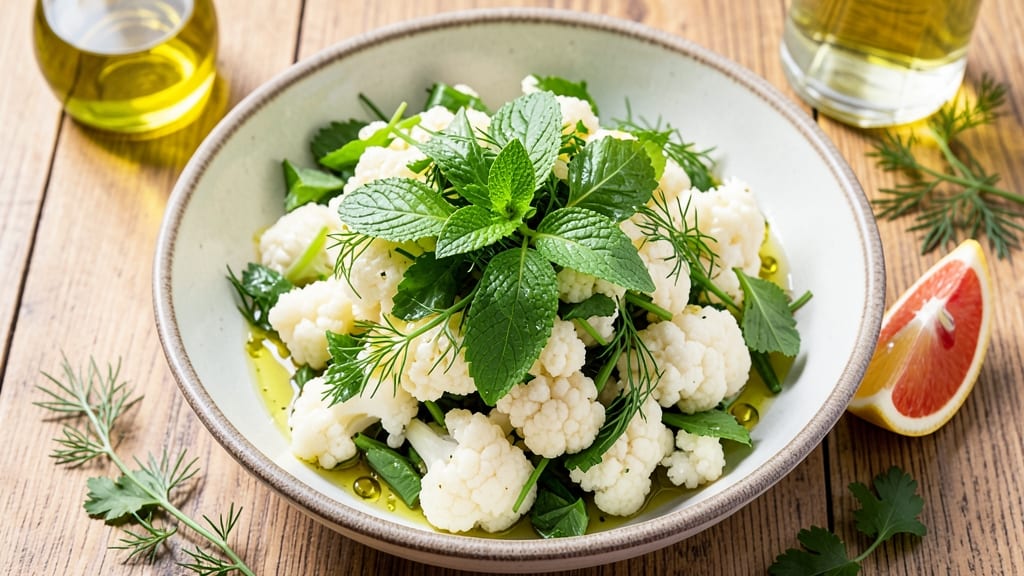
This cauliflower tabbouleh salad transforms a classic Middle Eastern dish into a vibrant, plant-based masterpiece with all the bright herbaceousness and crunch—but none of the traditional bulgur. 🌿 The secret lies in perfectly riced cauliflower that mimics the texture of bulgur while absorbing the zesty lemon-herb dressing without turning soggy, creating a salad that's both refreshing and satisfying.
What sets this version apart is its adaptability—ideal for those avoiding grains or gluten but craving tabbouleh's signature flavors. The dressing, a bright blend of lemon juice, olive oil, and fresh herbs, clings to the cauliflower florets, delivering a tangy, aromatic bite in every forkful.
Unlike traditional recipes, this version stays crisp and light, making it perfect for meal prep or as a vibrant side dish.
The result is a salad bursting with color and texture: tender cauliflower florets, crisp vegetables, and a fragrant herb medley that's as nourishing as it is delicious.
It's the kind of dish that feels both familiar and innovative, proving that plant-based meals can be just as bold and satisfying as their traditional counterparts.
Serve it as a refreshing side, a light lunch, or a base for grain bowls—this tabbouleh adapts to any meal while keeping its herb-forward personality intact. Let's bring this bright, crunchy salad to your table.
Ingredients for cauliflower tabbouleh salad
Fresh herbs and crisp veggies make this vibrant tabbouleh bright and satisfying without bulgur.
| Ingredient | Amount | Notes |
|---|---|---|
| Fresh Cauliflower 🥬 | 1 lb | Riced or florets, cut small |
| Fresh Parsley 🌿 | 1 cup | Stems removed, loosely packed |
| Fresh Mint 🌿 | ¼ cup | Finely chopped, stems removed |
| Fresh Dill 🌿 | ¼ cup | Finely chopped, loosely packed |
| Extra-Virgin Olive Oil 🫒 | ½ cup | Light, fruity variety preferred |
| Fresh Lemon Juice 🍋 | ½ cup | From 2-3 medium lemons |
| Cucumber 🥒 | 1 medium | English or Persian, peeled |
| Red Bell Pepper 🌶️ | 1 medium | Seeds removed, finely diced |
| Cherry Tomatoes 🍅 | 1 pint | Halved, or 1 cup diced |
| Garlic Cloves 🧄 | 3 cloves | Minced, or 1 tsp garlic powder |
| Sea Salt 🧂 | 1 ½ tsp | Diamond Crystal preferred |
| Ground Black Pepper 🌶️ | ½ tsp | Freshly ground preferred |
| Cumin Seeds 🌿 | ½ tsp | Toasted lightly for depth |
The cauliflower is the star here—fresh, firm heads work best. Trader Joe's or Whole Foods often carry pre-riced cauliflower, but if you're starting from whole, pulse it in a food processor until it looks like coarse rice. For the herbs, farmers markets have the freshest parsley and mint—avoid wilted bunches. The red bell pepper adds sweetness that balances the tangy dressing, so don't skip it. If you can't find Persian cucumbers, English cucumbers work too, just peel them first.
No fresh mint? Dried mint at half the amount gets you close, though it won't be as bright. The cumin seeds are non-negotiable—they add that earthy Middle Eastern warmth. Toast them 30 seconds in a dry pan before grinding for maximum flavor. Cherry tomatoes can be swapped for grape tomatoes or 1 cup diced Roma. The lemon juice should be freshly squeezed—bottled juice lacks the bright acidity this dish needs. For the olive oil, avoid light-tasting varieties—look for something fruity and peppery that'll stand up to the herbs.
This salad keeps beautifully for 3-4 days in the fridge, though the herbs get softer over time. To preserve crunch, store the dressing separately and toss just before serving. The cauliflower rices best when fresh, but if you prep ahead, toss it with a little olive oil to prevent browning. For meal prep, I double the batch—one for lunch, one for dinner. The flavors actually improve after sitting overnight as everything melds together.
Why You'll Love This Recipe
- No Rice, No Problem: I swear by this when I’m out of bulgur but still want that bright, herby crunch. The cauliflower florets hold up perfectly when tossed with lemon and olive oil, giving you that same satisfying texture—just without the fuss of soaking grains.
- Herb Explosion: Between us, the parsley, mint, and dill combo is next-level. Freshly chopped, they release this citrusy, peppery punch that makes every bite taste like a Mediterranean vacation. (Honestly, I’ve been known to eat it straight from the bowl.)
- Meal Prep MVP: This keeps beautifully for days in the fridge—flavors deepen, not wilt. I portion it into jars for grab-and-go lunches or serve it cold alongside grilled chicken. Even my picky-eating teen asks for seconds.
- Budget Brightness: Cauliflower stretches so far, and herbs add freshness without breaking the bank. A single head and a small bunch of greens feed four for under $10. Plus, the olive oil dressing makes it feel luxurious without the splurge.
Step-by-step instructions for cauliflower tabbouleh salad
Here's how to transform simple ingredients into a vibrant, herb-packed salad that delivers all the crunch of traditional tabbouleh—without the bulgur.
👨🍳 Step 1: Prep and Toast the Cumin Seeds
Start by toasting the 0.5 tsp cumin seeds in a dry skillet over medium heat for 1-2 minutes until they release their nutty aroma and turn a deeper golden color. This simple step adds incredible depth to the salad—don't skip it! Let them cool completely before grinding lightly in a mortar and pestle or between two spoons to release their oils.
While the cumin toasts, rinse the 1 lb fresh cauliflower thoroughly under cold water to remove any debris. Cut it into small florets if using whole pieces, or use pre-riced cauliflower for convenience. The smaller the pieces, the more they'll mimic traditional tabbouleh texture. Pat them completely dry with paper towels—moisture will make your salad soggy later.
🔪 Step 2: Chop the Fresh Herbs and Vegetables
Remove stems from the 1 cup fresh parsley, 0.25 cup fresh mint, and 0.25 cup fresh dill, then finely chop each herb separately. I like to keep them distinct for visual appeal and flavor balance, but you can mix them together if you prefer. The herbs should be very finely chopped—almost like confetti—so they distribute evenly throughout the salad.
For the vegetables, peel and dice the 1 medium cucumber into small cubes, remove seeds from the 1 medium red bell pepper and cut it into tiny dice, and halve the 1 pint cherry tomatoes. Mince the 3 cloves garlic finely—you want it to disappear into the salad rather than dominate. The goal here is uniformity; all pieces should be roughly the same size for even texture.
🍳 Step 3: Combine All Ingredients in a Large Bowl
In a very large mixing bowl, combine the dried cauliflower, all chopped herbs, cucumber, red bell pepper, cherry tomatoes, minced garlic, toasted cumin seeds, 1.5 tsp sea salt, and 0.5 tsp ground black pepper. Give everything a gentle toss with your hands or a large spoon to distribute the seasonings evenly. This is where all the flavors start to marry—take a moment to appreciate that fresh herb aroma!
Here's the thing—don't be tempted to press down on the mixture. The cauliflower needs to stay light and airy. Instead, use the back of a large spoon to gently fold everything together, working from the bottom up to incorporate all the ingredients without compacting them. You want the salad to hold its shape when you serve it, not collapse into a dense mass.
🥘 Step 4: Dress the Salad with Olive Oil and Lemon
In a small bowl, whisk together the 0.5 cup extra-virgin olive oil and 0.5 cup fresh lemon juice until fully combined. The lemon juice should brighten immediately—the acidity is what prevents the salad from becoming heavy. Slowly drizzle this dressing over the cauliflower mixture while gently tossing with two large spoons or your hands.
Work the dressing into every nook and cranny of the salad, making sure each piece of cauliflower and herb gets coated. This is the moment that transforms the ingredients into a cohesive dish. Taste a spoonful and adjust seasoning if needed—you might want to add a pinch more salt or a splash more lemon juice, depending on your preference. The salad should be vibrant, tangy, and bursting with fresh flavors.
⏰ Step 5: Rest and Serve for Maximum Freshness
Cover the salad bowl with plastic wrap or a clean kitchen towel and let it rest at room temperature for at least 30 minutes. This resting period allows the flavors to meld together and the cauliflower to soften slightly while still maintaining its texture. I know it's tempting to serve it immediately, but patience here makes all the difference—trust me, you'll notice the improvement.
Before serving, give the salad one final gentle toss to redistribute any herbs that might have settled. The ideal cauliflower tabbouleh should be bright, herby, and slightly crunchy with a juicy texture from the lemon dressing. Serve immediately while the herbs are at their peak freshness. This salad keeps well in the refrigerator for up to 2 days, but it's best enjoyed within the first 24 hours when all the flavors are at their most vibrant.
Pro Tips For Making Cauliflower Tabbouleh Salad
- Pulse, Don’t Chop, the Cauliflower: Grab your food processor and pulse that floret into rice-sized pieces—no smaller, or you’ll end up with mush. I used to chop by hand, but this cuts prep time in half and keeps the texture consistent. Just don’t overdo it; a few larger chunks add chew.
- Rinse Herbs, But Dry Them Well: Give those parsley, mint, and dill a quick rinse to shake off dirt, but pat them dry with a towel afterward. Wet herbs dilute the dressing and make the salad soggy—trust me, I’ve learned this after serving a watery batch to skeptical guests.
- Roast the Cauliflower First: Toss the florets in olive oil, salt, and pepper, then roast at 400°F (200°C) for 15 minutes before mixing with the herbs. The heat softens the cauliflower just enough to soak up the dressing without turning to paste. Skip this, and your salad will taste underwhelming.
- Add Lemon Last, Then Let It Sit: Stir in the lemon juice after everything else, then let the salad rest for 10 minutes. This lets the flavors meld—especially the herbs—and prevents the cauliflower from releasing too much moisture upfront. Patience here makes the difference between a fresh salad and one that’s just okay.
Flavor customization for these flavors
Herb Variations
Swap out herbs to match your taste or what’s fresh at the market. For a Mediterranean twist, add 1 tbsp chopped oregano or 1 tsp dried thyme to the dressing.
If you love cilantro, try 0.25 cup finely chopped cilantro instead of mint—it adds a bright, citrusy note that pairs beautifully with the lemon. For a more exotic flavor, include 1 tbsp chopped tarragon or 1 tsp dried marjoram for a subtle anise-like depth. 🌿
Spicy Kick
Add heat by stirring in 1 tsp Aleppo pepper or ½ tsp red pepper flakes directly into the dressing. For a smoky-sweet contrast, mix in 1 tbsp harissa paste with the lemon juice.
If you prefer fresh heat, finely dice 1 small jalapeño and toss it with the vegetables before adding the dressing. The acidity in the lemon will mellow the spice, making it more balanced.
Sweet-Tangy Twist
Balance the herbs with a touch of sweetness by adding 1 tbsp honey or 1 tsp maple syrup to the dressing. For a fruity variation, fold in ½ cup diced fresh peaches or apricots with the vegetables.
The natural sweetness complements the tangy lemon and salty herbs beautifully. This works especially well in summer when fresh stone fruits are in season.
Citrus Variations
Swap lemon for other citrus to change the flavor profile. Try ½ cup orange juice with 1 tbsp grated orange zest for a bright, slightly floral twist. For a more tart option, use ½ cup lime juice with 1 tbsp honey**> to balance the acidity.
Grapefruit juice adds a bold, bitter-sweet note that pairs wonderfully with the herbs and cauliflower.
Crunchy Add-Ins
Boost texture with extra crunch by adding ½ cup toasted pine nuts or ¼ cup chopped walnuts to the salad. For a Middle Eastern touch, include ¼ cup toasted pomegranate seeds or 2 tbsp chopped pistachios.
These nuts also add healthy fats that help balance the acidity of the lemon dressing. Toast them lightly in a dry pan for 2-3 minutes before adding to keep them fresh.
Protein Boost
Turn this into a complete meal by adding protein. Fold in ½ cup cooked quinoa or ½ cup chickpeas for extra substance. For a Mediterranean-inspired dish, top with ½ cup crumbled feta cheese (if not keeping it vegan) or ½ cup marinated white beans.
Grilled chicken or shrimp also pair beautifully with the bright flavors of the salad.
Nutrition facts
Frequently asked questions
Can I use pre-riced cauliflower for this salad?
Pre-riced cauliflower saves time and works perfectly—just make sure it's fresh and not pre-cooked. Look for it in the refrigerated produce section of most grocery stores. If using, skip the cutting step entirely and proceed with the recipe as written. The texture will be slightly different but still delicious.
How do I keep this salad from getting soggy?
Prevent sogginess by thoroughly drying all ingredients (especially cauliflower) before assembly, and storing dressing separately until ready to serve. The key is to toss everything together gently and let it rest for 30 minutes before serving. This allows the cauliflower to absorb just enough dressing without becoming mushy.
What's the best way to store leftovers?
Store leftovers in an airtight container with the dressing on the side. Keep the salad in the fridge for up to 4 days, but for best texture, consume within 2 days. When ready to eat, give it a gentle toss with fresh lemon juice to revive the flavors. The herbs will soften over time, so this salad tastes best fresh.
Can I make this salad ahead of time for meal prep?
Yes, but with a few adjustments. Prep all ingredients separately (chop herbs, dice veggies, rice cauliflower) and store them in separate containers. When ready to assemble, combine everything and add dressing just before serving. This keeps the cauliflower crisp and the herbs vibrant. For extra flavor, let it sit for 15 minutes before eating.
What if I don't have fresh mint?
No problem! Use 1 tsp dried mint (about 1/4 the amount) or swap it entirely for 0.25 cup cilantro for a different but equally bright flavor. If you're feeling adventurous, try 1 tsp dried marjoram for an earthy twist. The dish will still be delicious—just the flavor profile will change slightly.