
Salads
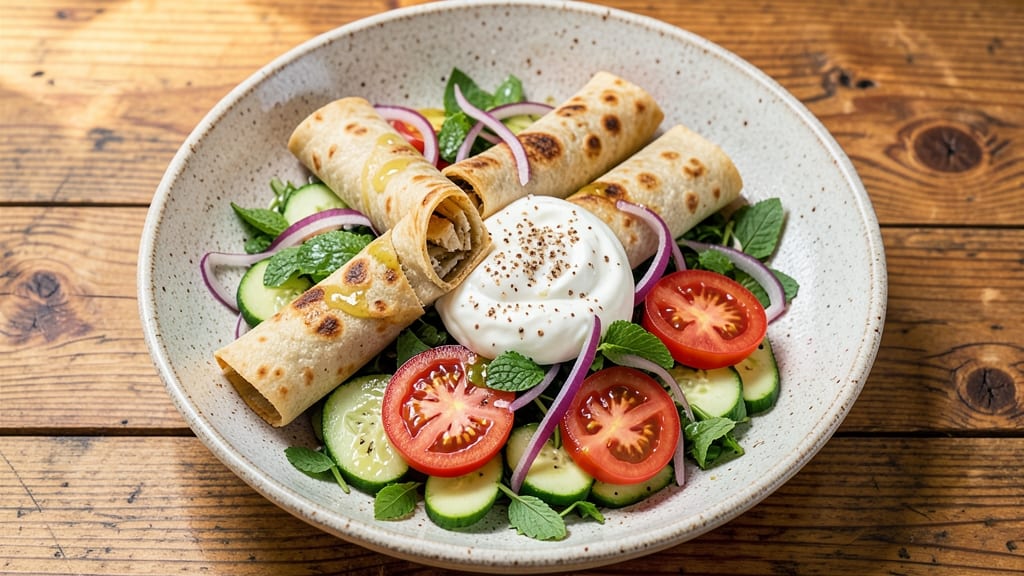
This chapati salad recipe transforms humble flatbreads into a hearty, textured dish that balances warm, pillowy chapatis with cool, creamy yogurt dressing and crisp vegetables.
The secret lies in making chapatis from scratch—rolling them thin on a floured surface, cooking them on a hot tawa until puffed and golden—before layering them with cucumbers, tomatoes, and a tangy yogurt dressing that cuts through the richness.
It’s the perfect vegetarian meal that feels both comforting and refreshing, ideal for lunch or a light dinner when you crave something substantial yet balanced.
The beauty of this recipe is its flexibility—traditional chapatis made with whole wheat flour deliver authentic flavor, but you can easily adapt it with gluten-free flour or even store-bought flatbreads for a quicker version.
The yogurt dressing, infused with garlic, lemon, and fresh herbs, adds a bright contrast to the warm chapatis, while the salad vegetables keep it fresh and crunchy. No fancy techniques are needed, just a few simple steps to create a dish that’s as satisfying as it is easy to prepare.
What you’ll end up with is a layered salad where the warmth of the chapatis meets the coolness of the yogurt dressing, creating a harmonious bite every time. The chapatis stay soft and slightly chewy, while the dressing ties everything together with its creamy, zesty flavor.
It’s a dish that feels special enough for guests but simple enough for a weeknight, proving that vegetarian meals can be both nourishing and exciting.
Serve this salad with a side of raita or pickled onions for extra depth, or keep it as a standalone meal packed with texture and flavor. The best part? It’s a great way to use up leftover chapatis, turning them into something entirely new. Let’s get started!
Ingredients for chapati salad
Pantry staples plus a few fresh finds—this salad builds flavor in layers.
| Ingredient | Amount | Notes |
|---|---|---|
| Whole Wheat Flour 🌾 | 2 cups | For making chapatis (plus extra for dusting) |
| Water 💧 | 1 ¼ cups | Room temperature preferred |
| Cucumber 🥒 | 1 ½ lb | English or Persian, peeled |
| Roma Tomatoes 🍅 | 4 whole | Medium size, sliced |
| Red Onion 🧅 | 1 whole | Thinly sliced, soak in cold water |
| Plain Yogurt 🥛 | 1 cup | Full-fat for creaminess |
| Garlic Cloves 🧄 | 4 cloves | Minced for dressing |
| Lemon Juice 🍋 | ½ cup | Freshly squeezed |
| Fresh Cilantro 🌿 | ¼ cup | Chopped, stems removed |
| Salt 🧂 | 1 ½ tsp | Kosher or sea salt |
| Olive Oil 🫒 | ¼ cup | For brushing chapatis |
| Ghee 🧈 | 2 tbsp | For cooking chapatis |
| Fresh Mint Leaves 🌿 | 0.1 cup | Optional garnish |
The flour is non-negotiable for authentic chapatis. King Arthur or Bob's Red Mill whole wheat work best—they give that perfect chewy texture. If you're gluten-free, Bob's 1:1 gluten-free blend is my go-to. Store-bought chapatis? No shame—just toast them in ghee until crispy. For the veggies, English cucumbers stay crunchier than Persian, but either works. The red onion? Soak sliced pieces in cold water for 10 minutes to mellow the bite—trust me, it makes a difference. Fresh herbs are worth hunting down at local farmers markets if you can, but grocery store cilantro and mint work fine too.
No ghee? Melted coconut oil or neutral oil does the job, though it won't taste quite the same. Short on yogurt? Greek yogurt at half the amount adds thickness, but regular plain yogurt keeps it classic. The lemon juice can be swapped for lime juice at the same amount—just know it'll be slightly tangier. For the dressing, blend everything together until smooth—no lumps, no excuses. If you're using store-bought chapatis, toast them 30 seconds per side in a dry skillet to revive that fresh-made flavor. The tomatoes? Leave the seeds in for extra moisture in the salad.
Chapatis keep 3 days in an airtight container, but they're best fresh. The salad dressing lasts 5 days in the fridge—just give it a stir before using. For leftovers, pack dressing separately to keep the chapatis from getting soggy. If you make extra dressing, freeze it in ice cube trays for quick portions later. The whole salad comes together in 20 minutes if you're organized—chapatis while dressing chills, that kind of thing. Perfect for meal prep too—just assemble when you're ready to eat.
Why You'll Love This Recipe
- No-Fuss Assembly: I swear, this comes together faster than ordering takeout. Roll the chapatis ahead (or grab store-bought if you're really pressed), then just chop veggies while the water boils—no fancy techniques, just knife work and patience. The crunch from those thin chapatis and crisp cucumbers happens in minutes, not hours.
- Tangy Crunch Magic: That first bite? The charred edges of the chapatis soak up the cool, zesty tomato-onion mix like a dream. Between us, the red onion adds this sharp kick that makes the whole thing feel fresh and alive—no heavy dressing needed. It’s the kind of flavor that sticks with you, even when you’re just eating straight from the bowl.
- Lunchbox Hero: Honestly, this is my go-to for packed lunches or potlucks. The chapatis hold up better than lettuce (no soggy salad here), and the veggies stay crisp if you toss them in lemon juice. My kid brings it to school and comes home raving—proof it’s not just adult-friendly. Plus, it’s way more exciting than a sad sandwich.
- Pantry Staple Power: You’re already using things you’ve got—flour, onions, tomatoes—so no last-minute grocery runs. The leftovers? Just as good the next day, if not better, because the flavors meld overnight. And if you make a big batch, it’s cheap enough to feed the whole family without breaking the bank. My wallet thanks me every time.
Step-by-step instructions for chapati salad
This dish balances warm, pillowy chapatis with cool yogurt dressing—let's build it layer by layer.
Make the Chapatis
In a large bowl, combine the 2 cups whole wheat flour with 1.5 teaspoons salt. Gradually add the 1.25 cups water while mixing until a soft dough forms. Knead for 8-10 minutes until smooth and elastic. Cover with a damp towel and let rest for 30 minutes at room temperature—this relaxation step makes them easier to roll.
Divide the dough into 8 equal balls (about 2 tablespoons each). On a lightly floured surface, roll each ball into a 6-inch circle, keeping the edges slightly thicker than the center. Heat a clean skillet over medium-high heat and cook each chapati for 1-2 minutes per side, brushing with 2 tablespoons ghee and ¼ cup olive oil halfway through. You'll know they're done when they puff slightly and develop small brown spots.
Prepare the Yogurt Dressing
In a medium bowl, whisk together the 1 cup plain yogurt, ½ cup lemon juice, 4 minced garlic cloves, and 1.5 teaspoons salt until smooth. Gradually fold in the ¼ cup chopped fresh cilantro and 0.1 cup chopped fresh mint leaves. Set aside to chill for 15 minutes—this lets the flavors meld and the dressing thicken slightly. The texture should be creamy but still pourable, not runny.
Real talk: if the dressing seems too thick after chilling, whisk in 1-2 tablespoons water until it reaches a spoonable consistency. This is where the magic happens—the tangy yogurt will cut through the richness of the ghee-coated chapatis beautifully.
Assemble the Vegetable Base
Peel and slice the 1.5 lb cucumber into ¼-inch thick half-moons and place in a large mixing bowl. Core and slice the 4 Roma tomatoes into wedges, then add to the bowl. Thinly slice the 1 whole red onion (after soaking in cold water for 10 minutes to mellow the sharpness) and add to the vegetables. Sprinkle everything with 1 teaspoon salt and toss gently to combine.
Let the vegetables sit for 10 minutes—this draws out excess moisture. Drain any liquid that collects in the bottom of the bowl (about 2-3 tablespoons) using a paper towel. You want the vegetables to be crisp, not soggy, when you assemble the salad.
Layer and Serve
Spread half of the yogurt dressing evenly over the vegetable mixture and toss gently to coat. Arrange 4 warm chapatis on a large serving platter, slightly overlapping them. Spoon the dressed vegetables evenly over the chapatis, then top with the remaining dressing. Garnish with extra chopped cilantro and mint leaves for freshness.
Serve immediately while the chapatis are still warm—this contrast of temperatures is what makes this salad special. The pillowy chapatis soak up the cool yogurt dressing while the crisp vegetables add crunch. For extra drama, fold a chapati around a bite of salad before taking the first bite!
Pro Tips For Making Chapati Salad
- STRETCH THE DOUGH LONG: Roll out your chapati dough thinner than you think—about 1/8-inch thick—so it cooks faster and stays crisp when tossed with the salad. I used to fight the dough, but now I just let it relax for 10 minutes after kneading, and it stretches like butter.
- CHOP ONIONS SMALL: Slice that red onion into paper-thin half moons—any thicker and it’ll dominate the salad instead of blending in. I learned this after one batch where I could still taste onion chunks in every bite, even after chewing.
- COOK CHAPATIS UNTIL GOLDEN: Take your chapatis off the heat the second they’re golden-brown on both sides—no waiting for perfect circles. Overcooking turns them rubbery, and you’ll end up with sad, limp bread in your salad. A quick press with a spatula helps check the underside.
- SALT THE WATER: Add a pinch of salt to your flour-water mix for the dough—it tightens the gluten just enough to prevent tearing when rolling. I skipped it once and spent 20 minutes patching up splits. Now I just toss in ¼ teaspoon salt with the water.
Common mistakes when making perfect results
Over-Rolling Chapatis
This is my biggest pet peeve—rolling chapatis too thin makes them crispy instead of pillowy. Aim for 6-inch circles with edges slightly thicker than the center.
If your dough cracks while rolling, patch it with a little water and flour, then restart. I’ve ruined more chapatis this way than I’d admit. 🌾
Skipping the Rest
Never skip letting the dough rest for 30 minutes after kneading. This step develops gluten, making chapatis easier to roll and preventing them from shrinking on the tawa. Pro tip: If short on time, let it rest for 15 minutes while you prep the dressing—just don’t skip it entirely.
Uneven Cooking
Using the wrong heat level is a common mistake. Cook chapatis on medium-high heat—too low, and they’ll steam instead of puff. Too high, and they’ll burn before puffing.
I’ve learned this the hard way with a charred chapati disaster. Brush with ghee only after the first side is cooked to prevent sticking.
Soggy Vegetables
Salad vegetables release moisture, which can turn your chapatis mushy. Always drain excess liquid after tossing veggies with salt. For extra insurance, pat cucumbers and tomatoes dry with a paper towel before assembling. Trust me, your chapatis will thank you. 🥒
Over-Mixing Dressing
Vigorously whisking the yogurt dressing can turn it grainy. Mix just until combined—no need to overwork it. If lumps appear, strain through a fine-mesh sieve. I’ve had to start over when dressing separates completely. The key is gentle folding, not aggressive blending.
Serving Too Late
Chapatis lose their warmth (and pillowy texture) quickly. Serve this salad immediately after assembling to maintain that perfect temperature contrast. If you must prep ahead, keep chapatis and dressing separate until serving. The first bite should be warm, cool, and crisp all at once—anything else is a missed opportunity. ⏰
Nutrition facts
Frequently asked questions
Can I make this chapati salad gluten-free?
Use a 1:1 gluten-free flour blend like Bob's Red Mill for the chapatis. The dough will be slightly stickier, so add 1 extra tablespoon water and knead for 10-12 minutes to develop the gluten substitutes. Roll the dough between two sheets of parchment paper to prevent sticking, and cook on a well-heated tawa with extra ghee to ensure proper browning.
How do I keep the chapatis from getting soggy?
Prevent sogginess by assembling the salad right before serving. If making ahead, store chapatis and dressing separately in airtight containers. When ready to eat, toast chapatis for 30 seconds in a dry skillet to revive their crispness, then layer with freshly dressed vegetables. For extra insurance, pat cucumbers and tomatoes completely dry with paper towels before adding.
Can I use store-bought chapatis instead of homemade?
Yes, but with a few adjustments! Toast store-bought chapatis in a skillet with 1 tablespoon ghee for 30 seconds per side until warm and slightly crisp. This mimics the homemade texture. For extra flavor, brush with a little olive oil after toasting. The salad assembly remains the same—just ensure the chapatis are warm when serving for that perfect temperature contrast.
What can I add to make this salad more protein-packed?
Boost protein with ½ cup chickpeas (roasted with salt and cumin) or ¼ cup crumbled paneer (lightly pan-fried). For a vegetarian option, add 2 boiled eggs (halved) or sprinkle with 2 tablespoons toasted peanuts. If you eat dairy, a dollop of Greek yogurt in the dressing adds extra protein while keeping the dish creamy and satisfying.
How long will leftovers keep in the fridge?
Store leftovers in an airtight container for up to 3 days. Keep the chapatis and dressing separate to maintain texture—reheat chapatis in a skillet for 1 minute per side before reassembling. The vegetables will stay crisp if stored dry, but the yogurt dressing may separate slightly. Stir well before serving or add a splash of water to restore creaminess.