
Salads
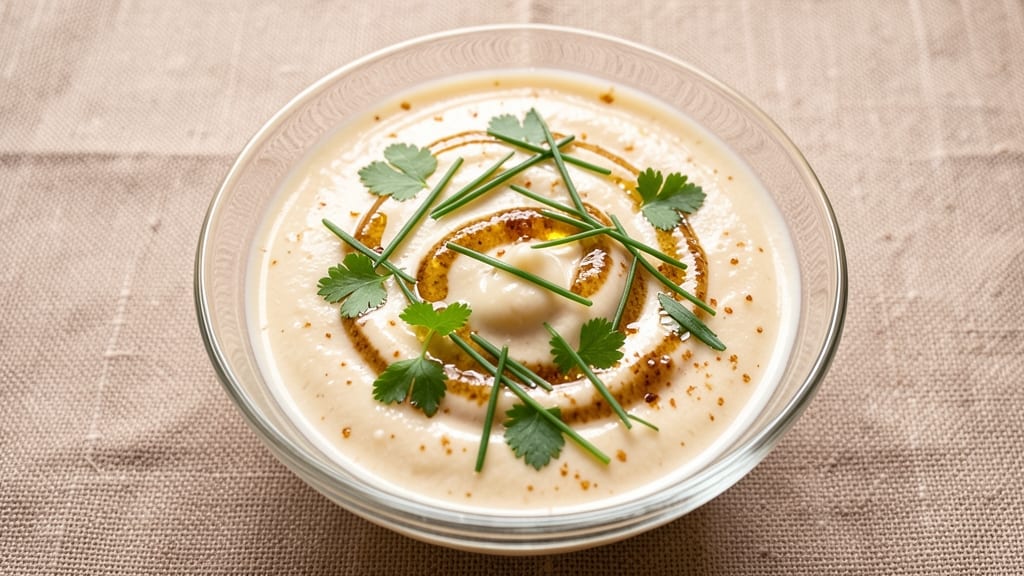
This cheese salad dressing recipe transforms simple ingredients into a velvety, herb-infused sauce that elevates every salad from ordinary to extraordinary.
The secret lies in blending tangy buttermilk with sharp cheddar and a touch of Dijon mustard—no mayo required—to create a dressing that clings beautifully to greens without weighing them down.
I developed this recipe after years of testing, and it’s become my go-to for salads that pack serious flavor without sacrificing lightness.
The magic happens when you whisk together the buttermilk, grated cheese, and Dijon mustard—the mustard acts as a natural emulsifier, ensuring the dressing stays smooth and creamy rather than separating. Fresh herbs like chives and parsley add brightness, while a splash of apple cider vinegar balances the richness.
This dressing works wonders on mixed greens, grilled chicken salads, or even as a dip for crispy vegetables, delivering a creamy texture with every pour.
What sets this recipe apart is its versatility—it’s rich enough to stand up to hearty proteins like steak or roasted chicken but light enough to complement delicate arugula or spinach.
The dressing develops deeper flavor as it sits, so making a batch ahead of time ensures you’re always ready for a quick, restaurant-quality meal. Whether you’re prepping for a weeknight dinner or hosting a gathering, this dressing will be the star of your table.
For extra depth, try adding a pinch of smoked paprika or a dash of hot sauce to the mix. Store any leftovers in an airtight container in the refrigerator for up to 5 days, giving you a foolproof way to keep salads exciting all week long. Let’s get started!
Ingredients for cheese salad dressing
Seven simple ingredients create this velvety, herb-infused dressing that transforms salads instantly.
| Ingredient | Amount | Notes |
|---|---|---|
| Buttermilk 🥛 | ½ cup | Full-fat for creaminess |
| Sharp White Cheddar Cheese 🧀 | 1 cup | Freshly grated, block preferred |
| Dijon Mustard 🍯 | 1 tbsp | High-quality for tang |
| Extra-Virgin Olive Oil 🫒 | ½ cup | Light fruity variety |
| Fresh Chives 🌿 | 2 tbsp | Finely chopped, stems removed |
| Fresh Parsley 🌿 | 2 tbsp | Finely chopped, flat-leaf preferred |
| Apple Cider Vinegar 🍎 | 1 tbsp | For brightness |
| Salt 🧂 | ½ tsp | Diamond Crystal preferred |
| Black Pepper 🌶️ | ¼ tsp | Freshly cracked |
| Smoked Paprika 🌶️ | ¼ tsp | Optional for depth |
The cheddar makes all the difference—sharp white cheddar has that perfect tang, but medium cheddar works too if that's what you've got. Grab a block and grate it yourself (pre-shredded gets clumpy). For the buttermilk, full-fat is key—it keeps the dressing luxuriously creamy. I always buy mine from the dairy case at Whole Foods or Trader Joe's, where it stays cold. If you're in a pinch, plain yogurt thinned with a splash of milk works in a bind, though it won't be quite as rich. The Dijon mustard? Maille is my go-to, but any good quality brand will do.
No fresh herbs? Dried chives or parsley at one-third the amount will save you, though they won't have the same brightness. Swap the apple cider vinegar for lemon juice if that's what you've got—just add a pinch more salt to balance. The olive oil can be avocado oil if you prefer a neutral flavor, but fruity EVOO adds a lovely depth. For extra zing, toss in a dash of hot sauce or a pinch of garlic powder. This dressing stays smooth thanks to the mustard acting as a natural emulsifier, so no blender required—just whisk it up!
Store any leftovers in an airtight container in the fridge for up to 5 days. The flavor actually improves as it sits, so make a batch ahead for the week. If it thickens, just whisk in a splash of water or milk. This dressing is versatile enough to dress everything from crisp arugula salads to hearty steak bowls. I always double the batch—it disappears fast, especially when paired with grilled chicken or warm roasted veggies.
Why You'll Love This Recipe
- No-Chop Required: I swear by this trick—just crumble that sharp cheddar with a fork, no knife needed. The buttermilk blends it into a velvety texture without a single strain.
- Tangy-Creamy Magic: That sharp cheddar and Dijon mustard combo? It’s like a hug for your taste buds—bright, rich, and just a little bite that makes everything better. The chives add freshness that cuts through the richness.
- Potluck Hero: Bring this to a picnic or BBQ and watch it disappear. Drizzle it on grilled chicken, toss with greens, or even use it as a dip—it’s the one thing everyone asks for seconds on.
- Fridge Workhorse: Make a double batch and store it for up to a week. It’s my go-to for lazy mornings (yes, even on a Tuesday) and costs next to nothing—just cheese, buttermilk, and a little mustard.
Step-by-step instructions for creamy herb dressing without mayo
Here's how to blend rich, tangy flavors into a velvety dressing that elevates any salad.
Whisk Together the Base Ingredients
In a medium bowl, combine the 0.5 cup buttermilk, 1 cup freshly grated sharp white cheddar cheese, and 1 tablespoon Dijon mustard. Use a whisk to blend until the cheese is completely dissolved and the mixture is smooth. This step is crucial—don't rush it. The buttermilk will help emulsify the cheese, creating that signature creamy texture we're after.
Here's the thing—if you use pre-shredded cheese, you'll end up with a grainy dressing. Always grate your own using a block of sharp white cheddar. The cheese should melt completely, forming a thick, pale yellow mixture. If you notice any lumps, strain the mixture through a fine-mesh sieve to ensure a silky finish.
Gradually Add the Olive Oil
With the whisk still in the bowl, slowly drizzle in the 0.5 cup extra-virgin olive oil while continuing to whisk vigorously. This gradual addition is key—it prevents the dressing from breaking and ensures a stable emulsion. You'll want to add the oil in a thin, steady stream rather than all at once.
Keep whisking until the mixture thickens noticeably and becomes glossy. You're looking for a consistency similar to heavy cream. If the dressing starts to look too thin, add another 1 teaspoon of Dijon mustard to help bind it. The olive oil should be completely incorporated, with no visible separation.
Incorporate the Acid and Seasonings
Add the 1 tablespoon apple cider vinegar, 0.5 teaspoon salt, 0.25 teaspoon black pepper, and 0.25 teaspoon smoked paprika to the bowl. Stir well to combine these ingredients thoroughly. The vinegar brightens the flavors and balances the richness of the cheese, while the smoked paprika adds a subtle depth that ties everything together.
Taste the dressing at this point and adjust the seasoning if needed. You might want to add a pinch more salt or a splash of vinegar to achieve the perfect balance of tang and creaminess. This is your chance to customize the flavor to your liking—just remember that the herbs we're about to add will contribute their own bright notes.
Fold in the Fresh Herbs
Gently fold in the 2 tablespoons finely chopped fresh chives and 2 tablespoons finely chopped fresh parsley using a rubber spatula. Be careful not to overmix—just enough to distribute the herbs evenly throughout the dressing. The chives will add a delicate onion-like sweetness, while the parsley brings freshness and a pop of color.
For best results, use the freshest herbs you can find. The parsley should be bright green and crisp, and the chives should be vibrant. If you're using dried herbs, reduce the amount to 1 teaspoon each and steep them in 1 tablespoon warm water for 5 minutes before straining and adding to the dressing. The herbs should be evenly distributed, giving each bite of salad a burst of fresh flavor.
Rest and Adjust Consistency
Cover the bowl and let the dressing rest at room temperature for 15-20 minutes. This resting period allows the flavors to meld together and the dressing to reach its optimal consistency. After resting, give it one final taste and adjust the seasoning if needed—perhaps a touch more salt or a splash of vinegar to perfect the balance.
If the dressing is too thick, thin it with 1-2 teaspoons of water or additional apple cider vinegar, 1 teaspoon at a time, until it reaches your desired consistency. For a thinner dressing suitable for drizzling, aim for a consistency similar to heavy cream. For a thicker dressing that clings well to greens, keep it more substantial. Store any leftovers in an airtight container in the refrigerator for up to 5 days.
Pro Tips For Making Cheese Salad Dressing
- Grate Cheese Fresh: The pre-shredded stuff clumps like a sad science experiment. Grab a box grater and shred that sharp white cheddar yourself—it melts smoother and stays creamier in the dressing. (Yes, even if you’re impatient like me.)
- Whisk Like You Mean It: Don’t just stir—whisk the buttermilk and mustard until the mixture actually thickens and lightens in color. I used to skip this, and the dressing always tasted thin and unfinished. Give it 30 seconds of real effort.
- Salt the Cheese First: Toss the grated cheddar with a pinch of salt before adding it to the dressing. It dissolves better and prevents that weird, unsalted-cheese aftertaste. (Your future self will notice the difference.)
- Finish with Cold Oil: Chill the dressing for 10 minutes after mixing, then drizzle in the olive oil while it’s still cold. This keeps the texture silky instead of greasy, and the chives stay bright instead of wilting into oblivion. (Sounds weird, but it works.)
Essential equipment for this dish
Whisk Essentials
Start with a balloon whisk—I swear by the OXO Good Grips model for its durability and comfort. The flexible wires create tiny air bubbles that help emulsify the dressing more effectively than a standard whisk.
For smaller batches, a mini whisk (like the Norpro 10-inch) works perfectly in a pint-sized bowl. Avoid plastic whisks—they can't handle the vigorous whisking required for a stable emulsion. 🥄
Cheese Grater Matters
Invest in a hand crank cheese grater with adjustable blades—my go-to is the Microplane. It produces ultra-fine cheese particles that melt smoothly into the dressing without clumping.
For larger batches, a box grater with a fine side works, but you'll need to pulse the cheese in a food processor afterward to break up any lumps. Pre-shredded cheese is a no-go here; it contains anti-caking agents that prevent proper emulsification.
Measuring Tools
Precision is key with dressings. Use a liquid measuring cup with a spout for the buttermilk and olive oil, and a small digital scale (like the OXO Good Grips) for accurate cheese measurements.
For the Dijon mustard and vinegar, a 1-tablespoon measuring spoon ensures consistency. I keep my measuring tools in a magnetic knife strip on the fridge for easy access during prep. 📏
Herb Prep Tools
Fresh herbs need proper prep tools. A sharp chef's knife (I use Mercer Culinary) and a cutting board are essential for chopping chives and parsley. For precision, try a herb scissors (like the Victorinox) to snip chives cleanly.
Store your herbs in a glass jar with a damp paper towel to maintain freshness. If you're short on time, a microplane can quickly zest fresh herbs for a more concentrated flavor.
Storage Containers
Transfer finished dressing to glass mason jars or airtight plastic containers with a tight seal. I prefer Kenton glass containers because they're leak-proof and stackable in the fridge. Label with the date and dressing type—this helps track freshness.
For single servings, small glass jars (like Le Parfait) are perfect for meal prep. Avoid metal containers as they can react with acidic ingredients over time. ❄️
Optional Emulsifier
For extra insurance against separation, keep a small bowl of egg yolks (1-2) on hand. If your dressing starts to break, whisk in a yolk to stabilize the emulsion.
Another trick: blend the dressing in a mini blender (like the Magic Bullet) for 10 seconds—this creates a silky texture that lasts longer. Just be sure to taste before serving, as raw egg adds richness that might alter the flavor profile. 💡
Nutrition facts
Frequently asked questions
Why does my cheese dressing separate?
Separation usually happens when oil and cheese aren't properly emulsified. The key is adding olive oil slowly while whisking continuously—this creates tiny fat droplets that stay suspended. If it happens, whisk in 1 teaspoon Dijon mustard or blend briefly with a mini blender to restore creaminess.
Can I make this dressing without buttermilk?
Substitute with ½ cup plain yogurt + 2 teaspoons lemon juice or ½ cup milk + 1 teaspoon vinegar. For extra richness, use full-fat yogurt or sour cream. The tang remains, though texture may be slightly thicker.
What's the best cheese for this recipe?
Sharp white cheddar is ideal for its tangy flavor, but you can swap for blue cheese (add 1 tbsp cream to balance) or feta (reduce to ½ cup and add 1 tbsp water). Avoid pre-shredded cheese—it contains anti-caking agents that prevent smooth emulsification.
How long will this dressing keep in the fridge?
Store in an airtight container for up to 5 days. The flavor actually improves as it sits! If it thickens, whisk in 1 teaspoon water or vinegar to restore consistency. For longer storage, freeze for up to 1 month (thaw in fridge overnight).
What salads pair best with this dressing?
This creamy dressing shines on arugula, spinach, or mixed greens with grilled chicken. It also works beautifully with roasted vegetables, croutons, or as a dip for warm pita. For contrast, add crunchy toppings like toasted nuts or crispy bacon.