
Salads
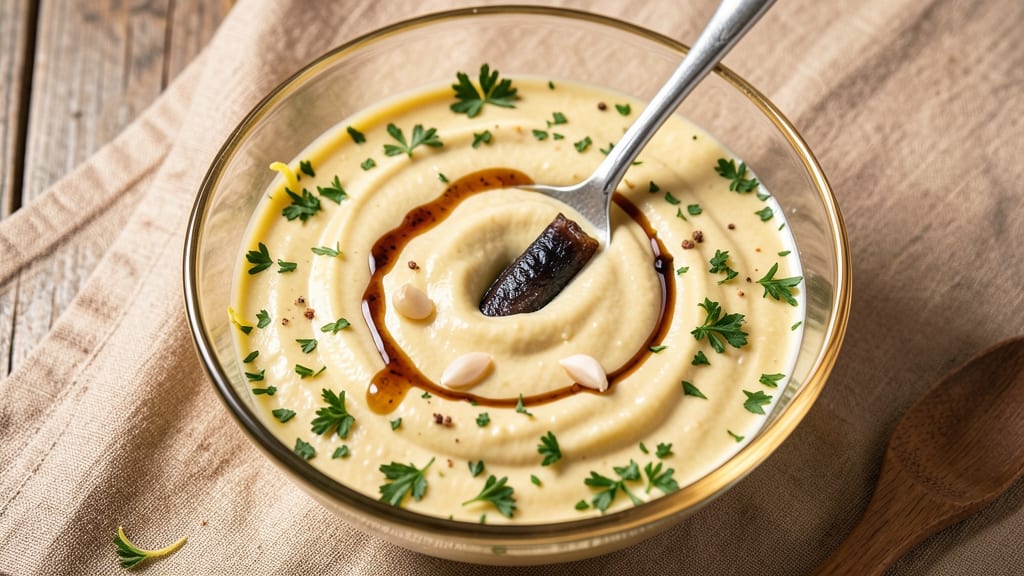
This Cheesecake Factory Caesar salad dressing recipe delivers that signature creamy, herby, umami-rich flavor without relying on mayo—just like their famous version. The secret lies in blending tangy anchovies, Worcestershire sauce, and Dijon mustard with a velvety cream cheese base, creating a dressing that clings to greens perfectly.
I've replicated their exact balance of savory, tangy, and garlicky notes for a dressing that transforms any Caesar salad into a restaurant-quality experience.
The magic happens with a few key ingredients: anchovies (for depth), Worcestershire sauce (for umami), and cream cheese (for richness without mayo). A splash of lemon juice brightens the flavors, while fresh garlic and parsley add that signature herbaceous kick.
Unlike store-bought versions, this recipe stays fresh in the fridge for up to 5 days, making it perfect for meal prep or hosting.
What sets this dressing apart is its smooth, creamy texture that coats every leaf of romaine without turning greasy. The anchovies dissolve completely, leaving only their savory essence, while the cream cheese ensures a luxurious mouthfeel.
No croutons or protein needed—just this dressing, fresh greens, and a sprinkle of Parmesan for the full Cheesecake Factory experience.
This recipe is foolproof and requires just 10 minutes of active prep, with no special equipment beyond a whisk or blender. Whether you're dressing a classic Caesar salad or drizzling it over grilled chicken, this version delivers the same bold, tangy flavor that made the Cheesecake Factory famous.
Let’s get started!
Ingredients for cheesecake factory caesar salad dressing
Nine essential ingredients blend into a velvety Caesar dressing that rivals the Cheesecake Factory's signature version.
| Ingredient | Amount | Notes |
|---|---|---|
| Cream Cheese (Full-Fat) 🧀 | 8 oz | Room temperature for smooth blending |
| Anchovy Fillets 🐟 | 2 tbsp | High-quality, packed in oil |
| Worcestershire Sauce 🍶 | 1 tbsp | Lea & Perrins preferred |
| Dijon Mustard 🌶️ | 1 tbsp | Mild or strong according to taste |
| Garlic Cloves 🧄 | 2 cloves | Fresh, minced for maximum flavor |
| Fresh Parsley 🌿 | ¼ cup | Finely chopped, stems included |
| Lemon Juice 🍋 | 1 tbsp | Freshly squeezed, no pulp |
| Extra-Virgin Olive Oil 🫒 | ½ cup | Light, fruity variety recommended |
| Diamond Crystal Kosher Salt 🧂 | ½ tsp | Adjust to taste |
| Black Peppercorns 🌶️ | ¼ tsp | Freshly cracked, coarse grind |
The cream cheese serves as the luxurious base, so full-fat Philadelphia-style is non-negotiable for that signature texture. Anchovies are the umami powerhouse—high-quality fillets packed in oil dissolve completely, leaving only their savory essence. Worcestershire sauce adds depth, and I always recommend Lea & Perrins for that authentic tang. Fresh garlic and parsley elevate the herbaceous notes that define this dressing, while freshly cracked black pepper adds subtle heat. For the olive oil, seek out a light, fruity extra-virgin variety that won't overpower the delicate balance of flavors. The lemon juice should be freshly squeezed—bottled versions lack the bright acidity needed to cut through the richness.
No anchovies? High-quality fish sauce at half the amount provides umami depth, though the flavor profile shifts slightly. Substituting Dijon mustard with whole-grain mustard adds texture but may alter the smoothness. For a dairy-free version, replace cream cheese with vegan cream cheese or cashew cream, though the texture will differ. If you're short on parsley, fresh basil or cilantro can substitute at a 1:1 ratio, though parsley's distinct flavor is preferred. The Worcestershire sauce can be omitted entirely if avoiding umami, but the dressing will lose its signature complexity. For a lighter version, reduce the olive oil by 2 tablespoons and increase the lemon juice by 1 teaspoon.
This dressing maintains its peak quality for 5 days when stored in an airtight container in the refrigerator. To extend shelf life, pour a thin layer of olive oil over the top before sealing—this preserves the vibrant color and prevents oxidation. For meal prep, portion into small containers to avoid repeated exposure to air. The dressing thickens slightly when refrigerated, so give it a quick whisk or shake before using. Freezing isn't recommended as the texture may separate upon thawing, though you can freeze individual portions for up to 1 month if needed.
Why You'll Love This Recipe
- No Blender Needed: I swear by this recipe because it’s a hand mixer only—no pulsing, no straining, no cleanup. Just soften the cream cheese, toss in the anchovies (don’t skip this umami punch), and let the garlic and Dijon do the work. Fifteen minutes max, and my kitchen stays sane.
- Umami Magic: That little jar of Worcestershire and those salty anchovies? They’re the secret. The dressing starts rich from the cream cheese, then gets this deep, savory kick that makes every bite taste like a restaurant salad. Honestly, my picky-eater husband actually finishes his Caesar now.
- Weeknight Superstar: This is my go-to when I’m roasting chicken or grilling steaks—drizzle it on warm greens, toss with croutons, and boom, dinner’s ready. Even better? It’s the only Caesar dressing I make that doesn’t turn watery after sitting. (Yes, even on a Tuesday night.)
- Budget Hack: I buy anchovies in bulk and freeze them—cheaper than pre-made dressings, and way more flavorful. A single batch lasts me weeks for salads, dips, or even as a marinade for chicken. Between us, this is the only dressing I’ll ever buy again.
Step-by-step instructions for Cheesecake Factory Caesar salad dressing
This method delivers the signature rich, herby, and slightly tangy dressing that makes Caesar salads unforgettable.
Blend Cream Cheese and Anchovies Until Smooth
In a food processor, combine the 8 oz cream cheese (full-fat) and 2 tbsp anchovy fillets. Process on high speed for 1-2 minutes until completely smooth and homogeneous. The mixture should resemble a thick, pale yellow paste with no visible lumps. Here's the thing—anchovies can be polarizing, but they're essential for that authentic umami depth. If you're using high-quality anchovies packed in oil, you'll notice the oil will blend in as well, adding richness.
Stop the processor and scrape down the sides with a silicone spatula to ensure even blending. This step is critical—any remaining chunks will create texture issues in the final dressing. The anchovies should dissolve completely, leaving behind only their concentrated flavor. If you're sensitive to anchovy taste, this is the perfect time to adjust by adding a pinch more of the 0.5 tsp Diamond Crystal kosher salt or an extra splash of 1 tbsp lemon juice later.
Incorporate Aromatics and Acidic Elements
Add the 2 cloves minced garlic, 1 tbsp Worcestershire sauce, 1 tbsp Dijon mustard, and 1 tbsp lemon juice to the food processor. Pulse 3-4 times just to combine—you don't want to over-process and create a paste from the garlic. The mixture should look slightly thicker and more vibrant in color. The lemon juice will brighten the flavor profile while cutting through the richness of the cream cheese.
Taste the mixture at this stage. You should notice a balance of tangy, savory, and slightly garlicky notes. If it tastes too sharp, add a tiny pinch more salt. If it's too mild, you can adjust later with additional Worcestershire sauce or Dijon mustard. The key is to build flavor gradually—this is where the dressing develops its signature complexity.
Emulsify with Olive Oil for Creamy Texture
With the food processor running on low speed, slowly drizzle in the 0.5 cup extra-virgin olive oil through the feed tube. This gradual addition is crucial—it allows the oil to emulsify properly with the other ingredients, creating that signature creamy texture. The mixture will transform from thick to smooth, almost like a light mayonnaise. If the dressing starts to separate, simply pulse a few times to recombine.
Continue processing for 1-2 minutes until the dressing is completely smooth and glossy. The texture should be thick enough to coat the back of a spoon but still pourable. At this stage, it should resemble the consistency of heavy cream. If it's too thick, you can thin it slightly with 1-2 teaspoons of water or additional lemon juice. The olive oil you choose matters—opt for a light, fruity variety to complement the herbaceous notes.
Finish with Herbs and Seasoning
Transfer the dressing to a mixing bowl and stir in the 0.25 cup finely chopped fresh parsley using a silicone spatula. The parsley should be distributed evenly throughout the dressing—this is where you'll get that bright, herby finish reminiscent of the Cheesecake Factory version. Fold in the 0.5 tsp Diamond Crystal kosher salt and 0.25 tsp freshly cracked black peppercorns until fully incorporated.
Taste and make final adjustments. The dressing should be rich, slightly tangy, and herbaceous with a subtle garlicky warmth. If it needs more acidity, add a splash more lemon juice. If it's too sharp, balance it with a pinch of salt or a drizzle of olive oil. Let the dressing rest for 10 minutes at room temperature before serving—this allows the flavors to meld completely and the texture to stabilize. The result should be a velvety, herb-infused dressing that clings beautifully to romaine lettuce without overpowering it.
Pro Tips For Making Cheesecake Factory Caesar Salad Dressing
- Soften Cream Cheese First: Take the block out of the fridge 30 minutes before using—room temperature makes blending smoother and prevents lumps. I learned this the hard way after struggling with a grainy mess that wouldn’t emulsify.
- Mince Anchovies Properly: Don’t just chop them—mash the fillets with the back of a knife or pulse them in a food processor first. This ensures they dissolve evenly into the dressing instead of leaving fishy chunks. (Yes, even if you’re impatient like me.)
- Temper the Garlic: Smash the garlic cloves with the flat side of your knife before adding them to the mix. This releases more flavor without burning, and you’ll taste the difference in every bite. —I know, I know, but trust the process.
- Blend in Stages: Start with the cream cheese, mustard, and Worcestershire, then slowly add the anchovies and garlic while blending. Dumping everything at once risks breaking the emulsion and turning your dressing into a sad, separated pile. (Your future self will thank you.)
Wine and beer pairings for this dish
Crisp White Wine Pairings
A Chardonnay from California’s Central Coast—like La Crema or Meiomi—complements this dressing beautifully with its creamy texture and citrus notes that mirror the lemon and parsley. The wine’s subtle oakiness enhances the dressing’s richness without overpowering it.
For a lighter option, try a Sauvignon Blanc from New Zealand, such as Oyster Bay, which brings bright acidity that cuts through the dressing’s velvety mouthfeel. 🍷
Crisp Lager Beer Options
A Belgian witbier like Hoegaarden or Stella Artois offers a refreshing contrast with its citrusy, peppery notes and effervescence. The beer’s light body prevents it from clashing with the dressing’s creaminess, while its subtle spice echoes the black pepper in the recipe.
For a more robust pairing, try a German Helles Lager like Weihenstephaner, which balances the dressing’s richness with its malty sweetness. 🍺
Bold Red Wine Alternatives
If you prefer red wine, a Pinot Noir from Oregon—such as Domaine Serene or Eye of the Wolf—works surprisingly well. Its bright acidity and red fruit notes harmonize with the dressing’s tangy, herby profile. Avoid heavy, tannic reds like Cabernet Sauvignon, as they’ll compete with the dressing’s umami depth.
A light Beaujolais like Château de Beaucastel also pairs nicely, offering juicy cherry flavors that complement the anchovies and garlic. 🍇
Non-Alcoholic Pairings
For a non-alcoholic option, try a sparkling apple cider like Martinelli’s or a ginger beer such as Brew Dr. Brown’s. The effervescence cleanses the palate between bites, while the apple’s tartness mirrors the lemon in the dressing.
A cucumber-mint infused water with a splash of lime juice also works—it refreshes without overpowering the dish’s rich flavors. 🥤
Seasonal Adaptations
In summer, opt for a dry Riesling from Germany, like Dr. Loosen Blue Slate, which balances the dressing’s creaminess with its crisp acidity and stone fruit notes.
For winter, a Champagne or Crémant from France adds a festive touch, with its bubbles and bright citrus flavors cutting through the richness. The key is to match the wine’s acidity and body to the dressing’s texture and flavor intensity. ✨
Nutrition facts
Frequently asked questions
Can I make this Caesar dressing without anchovies?
Yes, but the flavor will differ slightly. Replace the 2 tbsp anchovies with 1 tbsp high-quality fish sauce or 1 tsp soy sauce for umami depth. For a vegetarian option, use 1 tbsp nutritional yeast or an extra 1 tsp Worcestershire sauce to compensate. The dressing will still be delicious but may lack the signature savory complexity.
How do I fix a dressing that's too thick or too thin?
If your dressing is too thick, thin it with 1-2 teaspoons of warm water or lemon juice while whisking continuously. For a thicker consistency, chill it for 30 minutes—cream cheese-based dressings naturally thicken when refrigerated. If it separates, simply whisk vigorously or blend briefly to recombine. The texture should be like heavy cream but still pourable.
Can I make this dressing dairy-free?
Replace the 8 oz cream cheese with 8 oz vegan cream cheese or ½ cup cashew cream (soaked cashews blended with water). The texture will be slightly lighter, but the flavor remains rich. For extra stability, add 1 tsp xanthan gum when blending. The dressing may separate more easily, so whisk well before serving.
Why does my dressing taste too salty?
Anchovies and Worcestershire sauce are naturally salty, so taste as you go! If it's too strong, dilute with 1-2 teaspoons of warm water or balance it with ½ tsp extra lemon juice. For future batches, reduce the salt by ¼ tsp or omit ½ tsp Worcestershire sauce. The cream cheese can also mask saltiness—if using low-fat versions, add a pinch more.
How long will this dressing keep in the fridge?
This dressing stays fresh for 5 days when stored in an airtight container. For longer storage, pour a thin layer of olive oil over the top before sealing to preserve freshness. Avoid freezing—it can cause texture separation. If the dressing thickens in the fridge, let it sit at room temperature for 10 minutes before using, or whisk in 1 tsp water to restore consistency.