
Salads
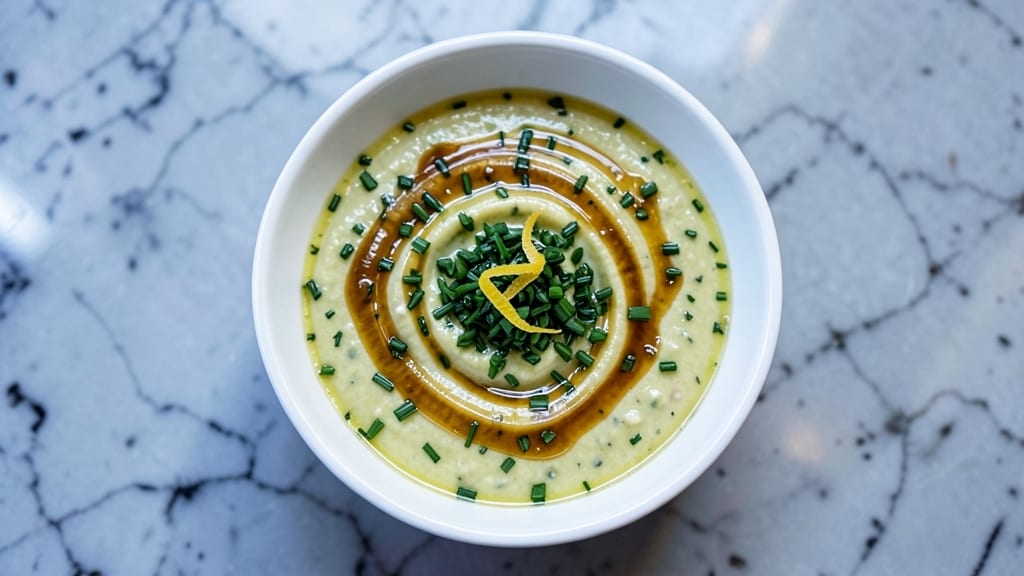
This chive salad dressing recipe transforms simple ingredients into a vibrant, herb-forward sauce that elevates every green bowl. No mayo means it stays light and fresh, perfect for spring salads or summer sides. The secret lies in finely chopped chives—packed with onion-like sharpness balanced by a bright, tangy base.
What sets this dressing apart is its zero-mayo formula, relying instead on a blend of white wine vinegar, Dijon mustard, and olive oil for emulsification. Fresh chives take center stage, their mild onion flavor brightening without overpowering.
A touch of honey or sugar rounds out the acidity, creating harmony in every pour.
The result is a dressing so versatile it works with crisp greens, hearty grains, or grilled proteins. Its clean, herby profile enhances flavors rather than masking them—ideal for those who prefer dressings that complement rather than dominate.
Store it in the fridge for up to a week, shaking before use to maintain that perfect emulsion.
For extra richness, stir in a spoonful of Greek yogurt; for depth, add a pinch of smoked paprika. Drizzle over arugula, toss with quinoa, or use as a marinade for chicken. The possibilities are endless, but the simplicity of this recipe makes it foolproof every time.
Ingredients for chive salad dressing
Nine simple ingredients create a vibrant, herb-forward dressing that elevates any green bowl.
| Ingredient | Amount | Notes |
|---|---|---|
| Fresh Chives 🌿 | ½ cup | Finely chopped, stems included |
| White Wine Vinegar 🍷 | ½ cup | Dry variety preferred |
| Extra-Virgin Olive Oil 🫒 | ¾ cup | Light, fruity flavor |
| Dijon Mustard 🌶️ | 1 tbsp | For emulsification |
| Honey 🍯 | 1 tbsp | Or agave for vegan option |
| Garlic Cloves 🧄 | 1 clove | Minced, for subtle depth |
| Salt 🧂 | ½ tsp | Kosher or sea salt |
| Black Pepper 🌶️ | ¼ tsp | Freshly ground preferred |
| Greek Yogurt (optional) 🥛 | ¼ cup | For added richness |
| Smoked Paprika (optional) 🌶️ | ¼ tsp | For depth of flavor |
Fresh chives are the star here—look for vibrant, deep green bunches at your local grocery store or farmers market. Whole Foods or Trader Joe's often carry the freshest, most flavorful chives, but any reputable grocery store should have them. The key is to chop them finely, including the stems, for maximum flavor infusion. If you're using dried chives, reduce to one-third the amount and soak in warm water for 10 minutes to revive their flavor. For the white wine vinegar, avoid the cheapest brands—opt for something with a bit of body, like Bartles & Jaymes or Bertolli, which add subtle complexity without overpowering the delicate chive flavor.
No Dijon mustard? Yellow mustard in a pinch works, though the flavor will be slightly different. The honey can be swapped for agave nectar or maple syrup if you're avoiding refined sugar, but honey adds a lovely floral note that complements the chives beautifully. The garlic clove is optional but recommended—it adds a subtle depth that rounds out the dressing. For the olive oil, stick with extra-virgin for its fruity notes; lighter oils like canola won't provide the same richness. If you're making this ahead, add the garlic and optional smoked paprika just before serving to preserve their freshness. The Greek yogurt, if using, should be full-fat for the best texture and creaminess.
This dressing keeps beautifully in the fridge for up to one week, stored in an airtight container. Before each use, give it a good shake to re-emulsify the oil and vinegar. If the dressing separates, simply whisk vigorously to combine. For longer storage, transfer to a small jar and freeze for up to three months. Thaw in the fridge overnight and shake well before using. The dressing works best at room temperature, so let it sit for 5-10 minutes before drizzling over your salad or grain bowl. It pairs especially well with arugula, quinoa, or grilled chicken, but don't hesitate to experiment—its bright, herby profile enhances almost any dish.
Why You'll Love This Recipe
- Five-Ingredient Magic: I swear by this combo—just chop chives, measure vinegar, swirl in oil. No blender, no fuss, no stress. The honey and Dijon do the heavy lifting while I’m still washing my hands.
- Bright & Tangy: That first drizzle over greens? Pure sunshine in a bottle. The white wine vinegar cuts through the richness of olive oil, while the honey softens the Dijon’s bite—like a hug for your taste buds.
- Weeknight & Weddings: Same dressing, endless uses. Toss it on grilled chicken, drizzle over roasted veggies, or serve it at a picnic. Honestly, I’ve even used it as a marinade (yes, it works).
- Lasts All Week: Make a batch Sunday, store it in the fridge, and forget about it. The flavors meld beautifully, and you’ll still have that fresh chive punch days later—no sad, wilted greens here.
Step-by-step instructions for herb-infused chive dressing
This bright, herb-forward dressing comes together in minutes with no mayo—just vibrant chives and balanced acidity.
Finely Chop and Mince the Aromatics
Begin by finely chopping the 0.5 cup fresh chives, keeping the stems included for maximum flavor. I like to use a sharp chef's knife and make small, controlled cuts to ensure even texture. Next, mince the 1 clove garlic cloves—just enough to add subtle depth without overpowering the delicate chive flavor. Set both aside in separate small bowls.
This prep step is critical. The chives should be uniformly chopped so they distribute evenly throughout the dressing. If you're using the optional 0.25 tsp smoked paprika, lightly toast it in a dry skillet over medium-low heat for 30 seconds until fragrant, then let cool before adding. The warmth enhances its flavor, but don't let it burn—just a whisper of smoke is all you need.
Whisk Together the Base Ingredients
In a medium bowl, combine the 0.5 cup white wine vinegar, 1 tbsp Dijon mustard, 1 tbsp honey, 0.5 tsp salt, and 0.25 tsp black pepper. Whisk vigorously for 30 seconds until the honey and mustard are fully incorporated and the mixture is smooth. The vinegar should be fully dissolved, and the salt should be evenly distributed.
This base creates the perfect balance of tangy, sweet, and savory notes. If you're using the optional 0.25 cup Greek yogurt, add it now and whisk until fully combined. The yogurt adds a creamy richness that rounds out the dressing, but it's not necessary for a lighter texture. Taste the mixture at this stage—it should be bright and balanced, with no single flavor overpowering.
Gradually Emulsify with Olive Oil
With the whisk still in the bowl, slowly drizzle in the 0.75 cup extra-virgin olive oil while whisking continuously. Start with a slow stream, then gradually increase to a steady drizzle. This slow addition is key—it allows the oil to emulsify properly with the vinegar and mustard, creating a smooth, stable dressing rather than a separated one.
Keep whisking for 1-2 minutes after all the oil is added. The dressing should thicken slightly and become glossy. If it starts to look too thick, add 1-2 teaspoons of water to loosen it. The texture should be pourable but still coat the back of a spoon. This emulsification step ensures the dressing clings beautifully to greens or salads.
Fold in the Chives and Garlic
Add the finely chopped chives and minced garlic to the bowl. Using a spatula, gently fold them in until evenly distributed. The chives should brighten the dressing with their fresh, oniony aroma, while the garlic adds a subtle depth. Give the dressing one final taste and adjust the seasoning if needed—perhaps a pinch more salt or a drizzle of honey to balance the acidity.
For best results, let the dressing sit at room temperature for 10-15 minutes before using. This resting time allows the flavors to meld and the texture to stabilize. If you're using the dressing immediately, give it a quick whisk before pouring to ensure everything is well combined. The result should be a vibrant, herb-infused dressing that elevates any salad or dish it touches.
Pro Tips For Making Chive Salad Dressing
- CHOP CHIVES FINE: Fresh chives lose their punch when left in thick clumps—give them a sharp chop with a chef’s knife. A quick pulse in a food processor works too, but don’t overdo it or you’ll turn them into chive paste. (Yes, even if you’re in a hurry, this makes a real difference.)
- WHISK THE MUSTARD FIRST: Mix the Dijon mustard into the honey before adding vinegar—this prevents grainy clumps later. I learned this the hard way after shaking a jar of dressing and finding mustard lumps in every bite. (Sounds weird, but it works.)
- SALT THE VINEGAR: Taste the white wine vinegar before mixing—add a pinch of salt if it’s too sharp. The acidity in vinegar can overpower the dressing if left unsalted, and you’ll end up chasing flavor instead of balancing it. (Your future self will thank you.)
- EMULSIFY IN STAGES: Start with a 1:1 ratio of oil to vinegar mixture, then slowly drizzle in more oil while whisking vigorously. This keeps the dressing from splitting, especially if you’re using a lighter olive oil. (Does it look weird? Yes. Does it work? Every single time.)
Essential equipment for this dish
Whisk Essentials
You don’t need fancy tools—just a good-quality whisk with sturdy wires. I recommend a stainless steel French whisk (like the OXO Good Grips) for its durability and even distribution.
The wires should be fine enough to create a smooth emulsion but wide enough to handle thicker dressings if you add yogurt later. Avoid plastic or thin metal whisks—they bend easily and don’t emulsify as well.
For small batches, a mini whisk (about 4 inches) works perfectly in a small mixing bowl (like Pyrex 8-ounce ramekins). If you’re making larger batches, a balloon whisk (like the Cuisinart 12-inch) gives you more leverage for better emulsification.
Pro tip: Warm your whisk slightly under hot water for 10 seconds before use—it helps the oil blend more smoothly into the vinegar base. 💫
Measuring Tools
Precision matters for balance, so invest in a liquid measuring cup (like Pyrex 1-cup) for the vinegar and olive oil, and a small spoon set (like OXO Good Grips) for the mustard, honey, and spices.
A microplane (like Barcade) is a game-changer for mincing garlic—it’s faster and more uniform than a knife. For the chives, a sharp chef’s knife (like Wüsthof Ikon) and a cutting board (like Teakhaus bamboo) are non-negotiable.
If you’re adding optional ingredients like Greek yogurt, use a small rubber spatula (like Epicurean) to fold it in gently—metal can break down the texture.
For smoked paprika, a spice grinder (like Spice Grinder by Oxo) ensures even distribution. Never eyeball measurements—especially for vinegar and oil, where ratios matter for the perfect emulsion. 🌡️
Storage Containers
Store your dressing in an airtight glass jar (like Le Parfait 8-ounce) or a small mason jar with a tight-sealing lid. Glass preserves flavor better than plastic and won’t absorb odors. Label the jar with the date—this dressing keeps for up to 1 week in the fridge.
For longer storage, freeze in ice cube trays (about 1 tablespoon per cube) and transfer to a ziplock bag. Thaw overnight in the fridge and shake well before use.
A small funnel (like OXO Good Grips) makes transferring the dressing into jars effortless, and a magnetic stirring wand (like Hamilton Beach) is handy if you ever want to blend it in a blender for extra smoothness. Never store it in the original mixing bowl—residue can spoil quickly.
For travel, use a small glass bottle (like Glasslock 4-ounce) with a leak-proof lid. 💡
Optional Upgrades
For a smoother texture, blend the dressing in a mini immersion blender (like Hamilton Beach Multi-Speed) for 10 seconds after whisking. This breaks down chive fibers for a silky finish.
If you love herb-forward dressings, a mortar and pestle (like Kuhn Rikon) lets you crush chives and garlic together for an intense flavor—just add them to the dressing last to preserve freshness.
For large batches, a stand mixer (like KitchenAid Artisan) with the whisk attachment saves time—just mix on low speed to avoid over-emulsifying.
If you’re making this often, a small food processor (like Cuisinart Mini-Prep) can also blend the base ingredients for a ultra-smooth consistency. No mixer? A clean jar with a tight lid and vigorous shaking works in a pinch—just shake for 2 full minutes to emulsify. ✨
Nutrition facts
Frequently asked questions
Can I substitute chives with other herbs in this dressing?
While chives provide that signature mild onion flavor, you can swap them with green onions (use the same amount) or a mix of parsley and tarragon for a different herbal profile. For a stronger kick, try 1 tbsp chopped shallots or 1 tsp dried chives (soaked in warm water first). The key is balancing the herb volume to maintain the dressing's brightness.
Why did my dressing separate? How can I fix it?
Separation happens when oil and vinegar aren't properly emulsified. Simply whisk vigorously for 1-2 minutes to recombine. For future batches, add 1 tsp honey or 1 tsp Dijon mustard to help stabilize the emulsion. If it keeps separating, try blending with an immersion blender for 10 seconds to create a smoother texture.
How can I make this dressing spicier or sweeter?
For extra heat, add ½ tsp cayenne pepper or 1 tsp hot sauce when whisking the base. To sweeten, increase honey to 2 tbsp or add 1 tsp maple syrup. For depth, stir in ½ tsp lemon zest or 1 tsp grated ginger just before serving. Adjust to taste—this dressing is highly customizable!
Can I use this dressing on dishes other than salads?
Yes! This versatile dressing works as a marinade for grilled chicken or fish (coat for 30 minutes before cooking), a dip for crudités or pita chips, or a finishing sauce for bowls with grains and proteins. Its bright acidity cuts through rich flavors beautifully. Just reduce the olive oil to ½ cup if using as a marinade to prevent sogginess.
What's the best way to store leftovers for maximum freshness?
Transfer to an airtight glass jar and refrigerate for up to 7 days. Shake well before each use to re-emulsify. For longer storage, freeze in ice cube trays (thaw in fridge overnight). Avoid plastic containers—they can absorb odors. Pro tip: Add a small piece of parchment paper over the surface before sealing to preserve freshness.