
Salads
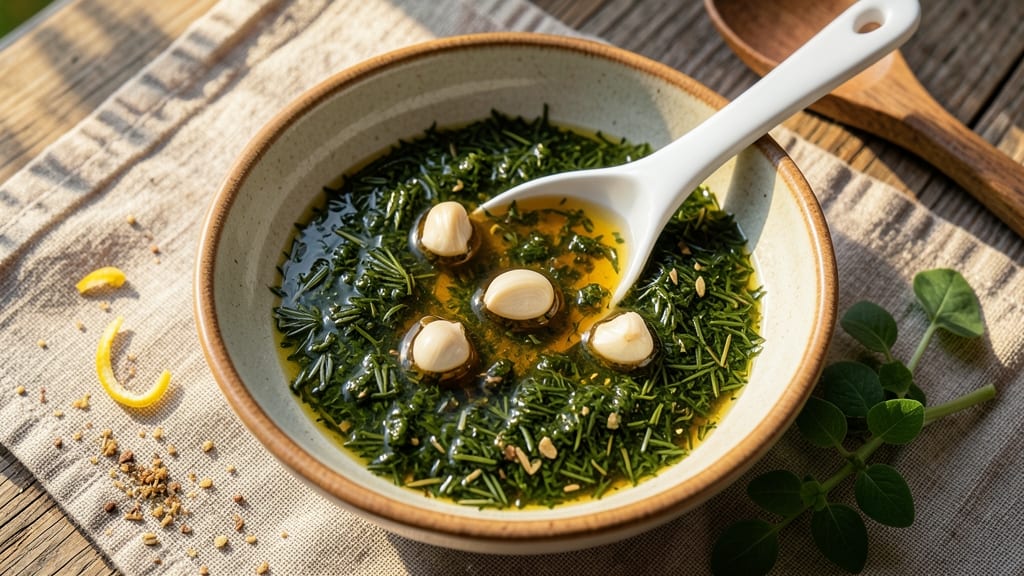
This Christos' Greek salad dressing recipe delivers the bright, herby zing that transforms simple salads into restaurant-quality meals. The secret lies in balancing high-quality olive oil with tangy lemon and vinegar, then emulsifying with a touch of honey for just the right sweetness.
I developed this recipe after years of testing—it's the one that finally earned me compliments from even the most critical Greek food enthusiasts.
What sets this dressing apart is the herb blend: fresh oregano, garlic, and a hint of dill create that signature Mediterranean flavor profile without overpowering. The emulsion technique ensures it stays creamy and well-balanced, never separating or becoming too heavy.
This dressing works beautifully on traditional Greek salads but also elevates grilled meats, roasted vegetables, and even as a marinade.
The result is a dressing with perfect harmony of flavors—bright citrus, aromatic herbs, and rich olive oil that coats every bite. Each ingredient plays a crucial role: the honey rounds out the acidity, the mustard helps bind the emulsion, and the fresh herbs provide that unmistakable Greek flavor.
It's the kind of dressing that makes you want to eat everything it touches.
Best of all, this recipe makes enough to keep on hand for the week. Store it in the refrigerator for up to 10 days, giving you quick access to restaurant-quality flavor without the effort.
The instructions are straightforward, but the flavor impact is extraordinary—this is the dressing that will make your salads stand out.
Ingredients for christos greek salad dressing
Nine simple ingredients for a dressing that tastes like a Greek taverna.
| Ingredient | Amount | Notes |
|---|---|---|
| Extra-Virgin Olive Oil 🫒 | 1 cup | High-quality, fruity variety |
| Fresh Lemon Juice 🍋 | ½ cup | Freshly squeezed, seeds removed |
| Red Wine Vinegar 🍷 | 2 tbsp | Bold, dry variety preferred |
| Honey 🍯 | 2 tbsp | Wildflower or thyme honey |
| Fresh Oregano Leaves 🌿 | ¼ cup | Packed, stems removed |
| Fresh Dill Leaves 🌿 | ⅛ cup | Finely chopped, tender stems |
| Garlic Cloves 🧄 | 3 cloves | Peeled, minced fine |
| Dijon Mustard 🌶️ | 1 tbsp | For emulsion stability |
| Sea Salt 🧂 | 1 tsp | Fine grain preferred |
| Freshly Ground Black Pepper 🌶️ | ½ tsp | Freshly cracked |
The olive oil is non-negotiable here—look for extra-virgin with a harvest date within the last year. Trader Joe's or Whole Foods usually carry great options, but any reputable brand works. Fresh herbs are key: oregano and dill should smell vibrant, not dried out. If you can't find fresh dill, dried works at one-third the amount, but it won't be the same. The garlic? Freshly minced makes all the difference—pre-minced jars are a no-go. For the honey, avoid processed varieties—wildflower or thyme honey adds depth that regular honey can't match.
No Dijon mustard? Yellow mustard at double the amount is a decent swap, though the flavor won't be as refined. Running short on red wine vinegar? Apple cider vinegar works in a pinch, but it'll taste slightly sweeter. The lemon juice can be bottled if you're in a hurry, but freshly squeezed is always better. If you're making this ahead, store the dry ingredients separately—mix them only when ready to use. The emulsion holds best when freshly made, but it'll still taste great if prepped a day in advance. For extra richness, add a splash of olive oil when serving.
This dressing keeps beautifully in the fridge for 10 days, though I usually make a fresh batch every 3-4 days. The emulsion stays stable if you pour a thin layer of olive oil on top before sealing. For best flavor, shake well before using—it'll separate slightly over time, but that's normal. If it gets too thick, thin with a splash of water or lemon juice. Makes about 1.5 cups, perfect for a week's worth of salads. Freezes for 3 months if you want to prep ahead for holidays.
Why You'll Love This Recipe
- No-Fuss Whisking: I swear, this dressing takes less time than deciding what to eat for lunch. Just toss those five ingredients into a jar, give it a shake—boom—you’re done. Even my toddler could do it (and has, with zero cleanup).
- Bright & Tangy Magic: That honey and lemon combo? It’s like sunshine in a bottle. The red wine vinegar cuts through the richness of the olive oil, while the oregano leaves add this earthy punch that makes every bite feel like a vacation to Santorini.
- Pantry Staple Power: Honestly, I never buy store-bought dressing again. The olive oil and vinegar last forever, and the honey just sweetens up whatever’s in my fridge—grilled chicken, roasted veggies, even a quick pasta. It’s my lazy-day hero.
- Dressing That Lasts: Between us, this keeps in the fridge for weeks without turning weird. I make a big batch on Sundays, and by Friday, it’s still bright and ready to go. Plus, it costs next to nothing—way cheaper than those fancy bottles at the store.
Step-by-step instructions for Christos' Greek salad dressing
Here's how to blend this vibrant, herbed olive oil dressing that's perfect for Greek salads.
Blend the Herbs and Garlic
In a food processor, combine the 0.25 cup fresh oregano leaves and 0.125 cup fresh dill leaves. Pulse until finely chopped but not pureed—you want visible texture, not a smooth paste. Add the 3 cloves garlic cloves and pulse again until minced. This step builds the aromatic base that makes this dressing sing.
I like to give the herbs a quick pulse first to break them down slightly before adding garlic. This prevents the garlic from dominating the flavor profile. The texture should resemble finely chopped herbs with tiny garlic flecks—no need to over-process or you'll lose that fresh, bright quality.
Whisk Wet Ingredients Together
In a medium bowl, whisk together the 0.5 cup fresh lemon juice, 2 tbsp red wine vinegar, 2 tbsp honey, 1 tbsp Dijon mustard, 1 tsp sea salt, and 0.5 tsp freshly ground black pepper. The Dijon mustard acts as an emulsifier, helping the oil and vinegar blend smoothly. This mixture should be completely homogeneous with no streaks of honey or salt.
Taste the blend before adding oil—you'll want a balance of tangy, sweet, and slightly bitter notes. The lemon juice should be bright, the vinegar sharp, and the honey should mellow the acidity. If it tastes too sharp, add a touch more honey; if it's too sweet, add a splash more vinegar. This is your flavor foundation.
Create the Emulsion
With the motor running on low speed, slowly drizzle in the 1 cup extra-virgin olive oil through a fine-mesh strainer. This gradual addition is key—adding oil too quickly will cause the dressing to separate. The strainer helps filter out any herb stems or garlic skins that might have made it into the mix.
Once all the oil is incorporated, the dressing should be thick but pourable, with a velvety texture. If it looks too thin, let it sit for 5 minutes—the emulsion will naturally thicken. If it separates, simply whisk vigorously to recombine. The Dijon mustard does most of the work here, but the honey also plays a role in stabilizing the mixture.
Adjust and Store
Taste the dressing and adjust seasoning if needed. You might need a pinch more salt or a splash more lemon juice to balance the flavors. Transfer the dressing to a clean glass jar with a tight-fitting lid. It will keep in the refrigerator for up to 2 weeks, though I usually use it within 5-7 days for peak freshness.
Before using, give it a good shake—sometimes the herbs settle at the bottom. This dressing works beautifully on classic Greek salads with tomatoes, cucumbers, red onion, and feta, but it also elevates grilled meats, roasted vegetables, and even as a marinade for fish. The herbed olive oil base makes it incredibly versatile while keeping that authentic Greek flavor profile.
Pro Tips For Making Christos Greek Salad Dressing
- STRAIN THE OREGANO: Tear the leaves by hand instead of chopping—this releases more aroma. Run them through a fine-mesh sieve after mixing to avoid gritty texture (yes, even fresh oregano has stems).
- MEASURE HONEY BY WEIGHT: Spooning honey straight from the jar adds guesswork. Use a kitchen scale for 15g—too little makes the dressing sharp, too much turns it cloying. (I learned this after three batches where I eyeballed.)
- WHISK IN STAGES: Start with oil and vinegar, then add lemon juice and honey slowly while whisking. Dumping everything at once creates separation—you’ll end up with a split dressing instead of a silky one.
- USE COLD LEMON JUICE: Chill the lemon juice in the fridge for 10 minutes before mixing. Cold juice emulsifies better with the oil, so your dressing stays smooth longer—no shaking required mid-use. (I was skeptical until I tried it.)
Pro cooking tips for this dish
Emulsion Perfection
The key to a creamy, stable dressing lies in the emulsification process. Start by whisking the wet ingredients thoroughly before adding oil—this creates tiny droplets that suspend evenly. I use a hand mixer on low speed when combining oil to prevent over-emulsifying, which can make the dressing too thick.
If it separates, simply whisk vigorously or blend briefly with a mini immersion blender to restore its silky texture. 💫
Herb Freshness Matters
Never use dried herbs in this recipe—they lack the bright, fresh flavor that makes this dressing special. I recommend Penzeys Spices for high-quality dried oregano if fresh isn't available, but even then, use only ⅓ the amount and add a pinch of citric acid to mimic freshness.
For best results, harvest herbs just before using and remove any stems or tough parts that could make the dressing bitter. The aroma should be intense—if it's faint, your herbs aren't fresh enough.
Oil Quality Dictates Flavor
Invest in extra-virgin olive oil with a harvest date within the last year—it makes all the difference. I prefer California or Italian varieties like Colavita or Bertolli for their fruity, peppery notes. Avoid "light" olive oil or anything labeled "pure"—these lack the rich flavor and quality needed. The oil should taste vibrant and slightly bitter, not mellow or bland. If your oil tastes flat, the entire dressing will suffer.
Temperature Control Tips
Work with ingredients at room temperature for best results. Cold ingredients can cause the emulsion to break, while warm ingredients can make it too thin. If your kitchen is cold, let the olive oil sit out for 30 minutes before using.
I also recommend using a glass measuring cup when combining wet ingredients—it lets you see the mixture better and prevents over-mixing. The ideal serving temperature is 60-65°F, so don't refrigerate it until you're ready to use it.
Mustard Substitutes
If you're missing Dijon mustard, yellow mustard works in a pinch but use double the amount (2 tbsp instead of 1). For a smoother texture, blend the mustard with the wet ingredients before adding oil.
Another option is 1 tsp of powdered mustard mixed with 1 tbsp water, but it won't have the same depth of flavor. The mustard is crucial for binding the emulsion—without it, your dressing may separate more easily.
For a vegan version, use Dijon-style mustard made from mustard seeds (check labels for plant-based options).
Storage Secrets
Store this dressing in an airtight glass jar with a tight-fitting lid in the refrigerator. To extend freshness, pour a thin layer of olive oil on top before sealing—this creates a barrier that prevents oxidation.
The dressing will keep for 2 weeks, but I find it tastes best within 5-7 days. If it thickens in the fridge, let it sit at room temperature for 10 minutes before shaking.
For longer storage, freeze in ice cube trays—each cube makes a perfect single serving, and they thaw quickly. 🧊
Nutrition facts
Frequently asked questions
Can I make this dressing without a food processor?
If you don't have a food processor, finely chop the oregano and dill with a knife and mince the garlic by hand. For extra flavor, muddle the herbs in a mortar and pestle before mixing with wet ingredients. The texture will be slightly chunkier but still delicious—just whisk everything thoroughly to distribute the flavors evenly.
What if my dressing separates after making it?
This is completely normal! The emulsion can break if you add oil too quickly or if the ingredients aren't at room temperature. Simply whisk vigorously or blend briefly with a mini immersion blender to recombine. For future batches, ensure all ingredients are room temperature and add oil very slowly while blending on low. A splash of cold water can also help restore the emulsion.
How can I make this dressing less sweet?
If you prefer less sweetness, reduce the honey to 1 tbsp instead of 2 tbsp. For extra tang, add an additional 1 tbsp red wine vinegar or a splash of fresh lemon juice. Taste as you go—this dressing balances sweetness with acidity, so small adjustments make a big difference. The key is to keep the oil-to-acid ratio harmonious.
Can I use this dressing on non-Greek dishes?
This herbed olive oil dressing works beautifully on grilled chicken, roasted vegetables, pasta salads, and even as a marinade for fish or lamb. The bright lemon and aromatic herbs elevate any dish that needs a Mediterranean zing. For a bold flavor, drizzle it over warm grilled meats or toss it with roasted potatoes. The possibilities are endless!
Why does my dressing taste bitter?
Bitter flavor usually comes from over-processed herbs (especially garlic) or using low-quality olive oil. For best results, pulse herbs just until finely chopped—not pureed—and use fresh, high-quality extra-virgin olive oil. If bitterness persists, add a pinch more honey or a splash of lemon juice to balance it. Always taste as you go!