Salads
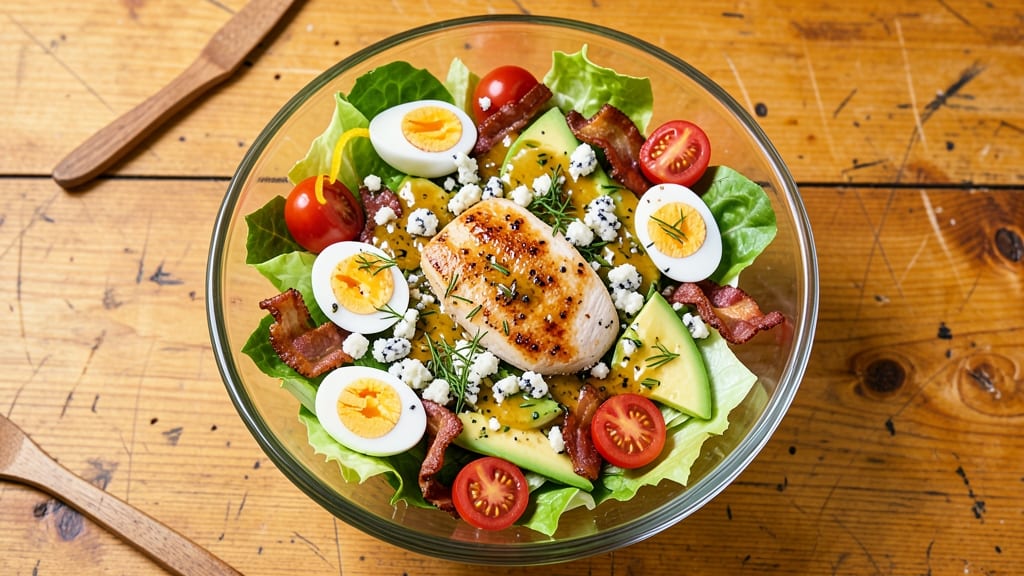
This Cobb salad vinaigrette recipe delivers the perfect balance of tangy, herby, and slightly sweet flavors that elevate every bite. The secret lies in combining Dijon mustard, red wine vinegar, and fresh herbs to create a dressing that clings beautifully to greens, hard-boiled eggs, and crispy bacon.
I've refined this recipe over years of testing—it's the one that finally makes store-bought dressings obsolete.
The foundation starts with a classic vinaigrette ratio of oil to vinegar, but what sets this apart is the addition of Dijon mustard for emulsification and a touch of honey for subtle sweetness.
Fresh dill and chives add bright herbal notes that complement the smoky bacon and creamy avocado in traditional Cobb salads. This dressing also works beautifully with grilled chicken, roasted vegetables, or even as a marinade.
What makes this vinaigrette truly perfect is its versatility—it stays fresh in the refrigerator for up to a week, making it ideal for meal prep. The texture is silky yet balanced, with just enough acidity to cut through rich ingredients while enhancing their natural flavors.
Whether you're assembling a Cobb salad or using it as a finishing drizzle, this dressing transforms ordinary meals into restaurant-quality dishes.
For best results, whisk all ingredients together thoroughly and let the dressing rest for 10 minutes before using. This allows the flavors to meld completely, creating a cohesive taste experience.
Store any leftovers in an airtight container in the refrigerator, and shake gently before each use to maintain the perfect consistency.
Ingredients for cobb salad vinaigrette
The perfect Cobb vinaigrette starts with these bold, flavor-packed ingredients that transform simple greens into restaurant-quality bites.
| Ingredient | Amount | Notes |
|---|---|---|
| Extra-Virgin Olive Oil 🫒 | ¾ cup | High-quality, fruity, cold-pressed |
| Red Wine Vinegar 🍷 | ⅓ cup | Dry, bold variety preferred |
| Dijon Mustard 🧄 | 1 tbsp | Whole-grain preferred for texture |
| Raw Honey 🍯 | 1 tbsp | Local, unfiltered preferred |
| Fresh Dill 🌿 | ¼ cup | Finely chopped, stems removed |
| Fresh Chives 🌱 | ¼ cup | Finely chopped, mild flavor |
| Granulated Garlic 🧄 | ½ tsp | Freshly minced preferred |
| Diamond Crystal Kosher Salt 🧂 | ½ tsp | Fine grain preferred |
| Freshly Ground Black Pepper 🌶️ | ¼ tsp | Coarsely cracked preferred |
The olive oil is non-negotiable—look for extra-virgin with a peppery finish like California Avocado Ranch or Colavita. Red wine vinegar should be dry and aged (none of that sweet cooking vinegar), and Trader Joe's or Whole Foods carry excellent options. Dijon mustard adds depth, so Grain & Ground or Maille are my go-tos. Fresh dill and chives? Grow your own if possible—they're the secret to that bright, herby punch that makes this dressing stand out. If you're buying pre-chopped, check the sell-by date—wilted herbs kill the flavor.
No Dijon mustard? Whole-grain mustard works too, but it'll be less smooth. Short on fresh herbs? Dried dill at one-third the amount gets you close, though it lacks that fresh pop. Swap honey for maple syrup if you're vegan, but honey's floral notes are worth it here. The garlic is key—freshly minced is best, but if you're using granulated, toast it briefly in a dry pan to deepen the flavor. Salt and pepper are simple but critical—Diamond Crystal kosher dissolves perfectly, and freshly cracked pepper adds texture that pre-ground lacks.
This dressing keeps beautifully—up to 1 week in the fridge if stored properly. Pour it into a clean, airtight jar and press a parchment paper disc on top to prevent a skin from forming. Shake vigorously before each use to re-emulsify. For meal prep, make a double batch—it's perfect over grilled chicken, roasted veggies, or even as a marinade for shrimp. The flavors actually improve after sitting for 30 minutes, so let it rest before serving.
Why You'll Love This Recipe
- Five-Ingredient Magic: The moment I realized how few ingredients actually make something this good was when I tossed together olive oil, vinegar, mustard, honey, and dill. No fancy techniques—just a whisk and a jar.
- Tangy-Sweet Balance: That honey and Dijon mustard combo? It’s the secret sauce. The vinegar cuts through the richness of a Cobb salad while the fresh dill keeps it bright—no bitterness, just layers of flavor that make every bite feel intentional.
- Meal Prep MVP: Make a double batch and store it in the fridge for up to a week. It’s my go-to for quick lunches, charcuterie boards, or even drizzled over grilled chicken. Honestly, I’ve used it on everything and it never lets me down.
- Budget-Friendly Luxury: Extra-virgin olive oil and fresh dill might sound fancy, but this dressing costs pennies per serving. The honey adds a touch of indulgence without breaking the bank—plus, you’ll use less oil than store-bought versions.
Step-by-step instructions for Cobb salad vinaigrette
This herb-Dijon vinaigrette delivers that perfect balance of tangy, sweet, and herbal notes every time.
Whisk Together the Base Ingredients
In a medium bowl, combine the 0.75 cup extra-virgin olive oil with the 0.33 cup red wine vinegar. I like to use a whisk for this step because it creates a smooth emulsion right from the start. Let these two sit together for 1 minute—this allows the vinegar to slightly emulsify with the oil, preventing separation later.
Next, add the 1 tablespoon Dijon mustard and 1 tablespoon raw honey. The mustard acts as an emulsifier, helping to bind the oil and vinegar, while the honey adds a subtle sweetness that balances the acidity. Whisk vigorously for 30 seconds until everything is fully incorporated and the mixture looks homogeneous. You're building the foundation of your dressing here, so don't rush this step.
Incorporate the Fresh Herbs and Aromatics
Add the 0.25 cup finely chopped fresh dill and 0.25 cup finely chopped fresh chives to the bowl. These herbs bring bright, fresh flavors that complement the richness of the Cobb salad perfectly. Stir gently with a wooden spoon to avoid creating too many bubbles—you want to preserve the smooth texture you've already achieved.
Now add the 0.5 teaspoon granulated garlic and 0.5 teaspoon Diamond Crystal kosher salt. The garlic adds a subtle depth, while the salt enhances all the flavors. Give everything a good stir to distribute these ingredients evenly. At this point, your dressing should have a vibrant green hue from the herbs and a slightly thick, pourable consistency.
Finish with Pepper and Taste for Balance
Add the 0.25 teaspoon freshly ground black pepper and give the dressing one final stir. The pepper adds a sharp contrast to the sweet and tangy flavors, rounding out the profile. Taste a small amount—this is where you'll determine if the dressing needs any adjustments. If it's too acidic, add a touch more honey. If it's too sweet, add a splash more vinegar.
Here's the thing—this dressing should taste bold and balanced, not bland. The herbs and Dijon mustard give it that signature Cobb salad flavor, but it's the final seasoning that makes it perfect. Let the dressing sit for 5 minutes before using—this allows the flavors to meld completely, ensuring every bite of your Cobb salad is cohesive and delicious.
Store and Use for Maximum Freshness
Transfer the dressing to an airtight jar or container. I like to store it in the refrigerator for up to 5 days, but it's best used within 2-3 days for peak freshness. The herbs will keep their vibrant flavor, and the emulsion will remain stable. When ready to use, give it a good shake before drizzling over your Cobb salad.
This dressing is the secret weapon that elevates a Cobb salad from good to extraordinary. The bright herbs cut through the richness of the avocado, bacon, and hard-boiled eggs, while the Dijon mustard and honey add layers of complexity. Trust the process—your salad will thank you!
Pro Tips For Making Cobb Salad Vinaigrette
- Whisk in stages: Start with just 1 tablespoon of olive oil—adding it all at once creates a greasy mess. Thin the Dijon mustard with a splash of vinegar first, then slowly drizzle in the oil while whisking like you’re trying to cut through butter. The emulsion will hold better this way, and you won’t end up with a separated blob of dressing.
- Use room-temperature honey: Cold honey from the fridge thickens the dressing into a cloying syrup. Let it sit out for 10 minutes before measuring—it’ll blend smoother and balance the acidity without making the vinaigrette taste like artificial glaze. Trust me, the difference is noticeable.
- Balance the vinegar first: Taste the raw vinegar before adding honey—some bottles are sharper than others. If it’s aggressively sour, cut it with a pinch of salt or a teaspoon of water before mixing in the other ingredients. You’ll save yourself from overcompensating with honey later and ending up with a dessert dressing.
- Chop dill fine, then pulse: Whole dill fronds look pretty, but they overpower the vinaigrette with their bright, grassy punch. Roughly chop them first, then give them a quick pulse in a mini food processor—just until they’re confetti-sized. This distributes their flavor evenly without turning the dressing into a dill soup.
Common mistakes when making perfect results
Over-Mixing the Dressing
I’ve seen so many people whisk this vinaigrette until it’s frothy—big mistake. Over-mixing incorporates too much air, which can cause separation later. Whisk just until the ingredients are fully combined (about 30 seconds total), then switch to a spoon for the herbs.
The goal is a smooth, silky texture, not a fluffy mousse. 🥄
Skipping the Rest Time
This dressing needs 5-10 minutes to sit before using. Rushing it means the flavors won’t meld properly, and you’ll miss that perfect balance of sweet, tangy, and herbal notes. I promise—waiting makes all the difference. Trust the process, even if it feels counterintuitive.
Using Low-Quality Oil or Vinegar
Cheap olive oil or sweet cooking vinegar will ruin your dressing. Always use extra-virgin olive oil (like California Avocado Ranch) and dry red wine vinegar (none of that balsamic or malt vinegar nonsense). The flavor difference is night and day. Your taste buds—and your salad—will thank you. 🫒
Ignoring the Emulsifier
Dijon mustard isn’t just for flavor—it’s the secret emulsifier that keeps this dressing from separating. If you skip it or use a weak substitute (like yellow mustard), your dressing will split into oily and vinegary layers.
Pro tip: If you’re out of Dijon, whole-grain mustard works in a pinch, but it’ll be less smooth.
Not Adjusting Seasoning
Taste as you go! This dressing should be bold, not bland. If it tastes flat after mixing, add a pinch more salt or a splash of vinegar. I’ve made this mistake too many times—always taste before serving.
The first batch I made was way too sweet because I forgot to check. Learn from my error! 🌶️
Storing Improperly
Leaving dressing uncovered in the fridge is a fast track to a sad, separated mess. Always store it in an airtight container with a parchment paper disc on top to prevent a skin from forming.
Shake well before using—this keeps the emulsion intact and the flavors fresh. A little effort here saves a lot of frustration later.
Nutrition facts
Frequently asked questions
Can I make this vinaigrette without fresh herbs?
Yes! If you're short on fresh dill or chives, use 1 teaspoon dried dill or 1/2 teaspoon dried chives instead. For extra flavor, add 1/2 teaspoon dried parsley or a pinch of tarragon. Just remember dried herbs are more concentrated, so start with less and adjust to taste. The dressing will still taste amazing—just slightly less vibrant.
How do I fix a separated vinaigrette?
Simply whisk or shake the dressing vigorously for 30 seconds to re-emulsify. The Dijon mustard helps bind the oil and vinegar, so most separations resolve quickly. If it keeps separating, your emulsifier (mustard) might be weak—try adding 1/2 teaspoon extra mustard next time. Store it properly in an airtight container to prevent future separation.
What's the best way to store leftover dressing?
Transfer to an airtight glass jar and press a parchment paper disc on top to prevent a skin from forming. Keep refrigerated for up to 5 days, though it's freshest within 2-3 days. Always shake well before using—this maintains the emulsion and keeps flavors bright. For longer storage, freeze for up to 1 month, though texture may change slightly.
Can I use this dressing on other dishes besides Cobb salad?
This vinaigrette works beautifully with grilled chicken, roasted vegetables, steak sandwiches, or even as a marinade for shrimp or fish. The herby Dijon notes pair well with rich proteins and crisp vegetables. For a lighter touch, dilute with 1-2 tablespoons water when using as a marinade.
Why does my dressing taste too sweet?
If it's too sweet, balance it with 1/2 teaspoon more red wine vinegar or a pinch of lemon juice. The honey should complement, not overpower—the dressing should have a bright, tangy finish. Taste as you go! For future batches, start with 1/2 tablespoon honey if you prefer less sweetness. The key is balance—this dressing should taste bold, not cloying.