
Salads
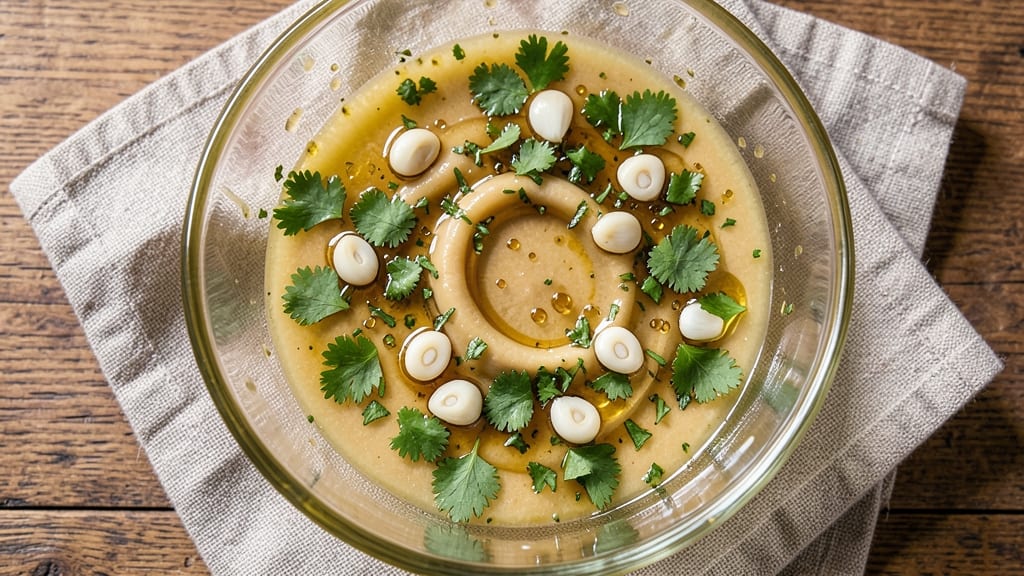
This coconut oil salad dressing recipe transforms simple greens into a tropical, creamy masterpiece without a single drop of mayo. 🌿 The secret lies in whisking chilled coconut oil with tangy citrus and aromatic herbs, creating a velvety emulsion that clings perfectly to lettuce, grains, or roasted vegetables.
I developed this after craving a dairy-free dressing that still delivered rich, restaurant-quality texture—no blender or special tools required.
The beauty of this dressing is its foolproof simplicity: just four core ingredients (coconut oil, lemon juice, garlic, and fresh herbs) combine to create a dressing that's both elegant and effortless.
Unlike traditional mayo-based dressings, this version stays stable in warm climates and delivers a lighter, more vibrant flavor profile that brightens even the heartiest salads. The key technique? Whisking the oil into warm vinegar (not cold) to prevent separation.
What you'll end up with is a creamy, tangy dressing with subtle tropical notes that elevate any salad—think crisp arugula with toasted coconut flakes, hearty kale with grilled chicken, or fresh mango with black beans.
The texture is luxurious yet refreshing, with none of the heaviness of traditional creamy dressings. Best of all, it keeps for up to a week in the fridge, making it perfect for meal prep.
This dressing works equally well as a marinade for grilled vegetables or a drizzle for Asian-inspired bowls. The recipe scales effortlessly, so you can make a small batch for two or double it for entertaining. Let's get started—your salads are about to get a tropical upgrade.
Ingredients for coconut oil salad dressing
Four core ingredients transform into this velvety tropical dressing with no mayo required.
| Ingredient | Amount | Notes |
|---|---|---|
| Extra-Virgin Coconut Oil 🥥 | ½ cup | Refrigerated and solid for best texture |
| Fresh Lemon Juice 🍋 | ¼ cup | Strained for smooth consistency |
| Apple Cider Vinegar 🍎 | ¼ cup | Warm slightly before combining |
| Garlic Cloves 🧄 | 2 whole | Minced for aromatic depth |
| Fresh Cilantro Leaves 🌿 | ¼ cup | Stems removed, finely chopped |
| Fresh Mint Leaves 🌿 | 0.1 cup | Finely chopped for brightness |
| Diamond Crystal Kosher Salt 🧂 | ½ tsp | Adjust to taste |
| Raw Honey 🍯 | 1 tbsp | Maple syrup for vegan alternative |
| Ground Black Pepper 🌶️ | ¼ tsp | Freshly ground for optimal flavor |
| Toasted Coconut Flakes 🥥 | 1 tbsp | Optional garnish for texture |
The extra-virgin coconut oil is the star here—look for organic, unrefined brands like Trader Joe's or Thai Kitchen for maximum richness. Cold-pressed and solid at room temperature, it emulsifies perfectly when whisked into warm vinegar. Fresh herbs are non-negotiable: cilantro and mint from the grocery store's produce section (not the dried herb aisle) deliver that vibrant tropical brightness. For the garlic, peel and mince fresh cloves—jarred minced garlic lacks the aromatic depth. If you're using raw honey, ensure it's local and unprocessed for optimal flavor, though maple syrup makes an excellent vegan substitute that won't crystallize in cold climates.
No coconut oil? Avocado oil or refined coconut oil work in a pinch, though texture may vary slightly. Substitute lime juice for lemon at a 1:1 ratio if that's what you have on hand. The apple cider vinegar can be swapped for white wine vinegar or rice vinegar for different flavor profiles—just remember to warm it slightly before combining. Dried herbs (like dried cilantro or mint) can replace fresh at one-third the amount, but the dressing will lack that fresh, bright character. For a nut-free option, omit the toasted coconut flakes entirely—the dressing still shines without them. If you're making this ahead, strain the dressing through a fine-mesh sieve before storing to ensure silky smoothness.
This dressing stays fresh for up to 7 days in an airtight container in the fridge, though the texture may separate slightly—just whisk before using. For longer storage, transfer to a glass jar with a tight seal and freeze for up to 3 months. When ready to use, let it thaw in the fridge overnight and whisk vigorously to re-emulsify. The toasted coconut flakes should be added fresh to any salad or dish—store them separately in a sealed container to maintain crispness. This dressing is naturally vegan, gluten-free, and stabilizes beautifully in warm climates, making it ideal for outdoor gatherings or tropical-inspired meals.
Why You'll Love This Recipe
- I use this on everything: grain bowls, tacos, even as a quick marinade for chicken. The apple cider vinegar keeps it tangy enough to cut through rich foods, and the cilantro adds that fresh kick without needing a recipe.
- No-Fuss Melt Magic: I swear by this trick—just toss the coconut oil in first, then shake. It melts into a silky emulsion without the fuss of whisking or blenders. Honestly, my lazy Sundays thank me every time.
- Zesty Garlic Bomb: That raw garlic and lemon combo? It’s like a bright, citrusy hug for your greens. The coconut oil softens the garlic’s bite just enough to make it ridiculously addictive—no overpowering punch, just pure flavor.
- Weeknight Workhorse: I use this on everything: grain bowls, tacos, even as a quick marinade for chicken. The apple cider vinegar keeps it tangy enough to cut through rich foods, and the cilantro adds that fresh kick without needing a recipe.
Step-by-step instructions for tropical coconut oil salad dressing
This dressing delivers rich, velvety texture without mayo—just pure tropical flavor.
👨🍳 Step 1: Prepare the Base Ingredients
Place the 0.5 cup Extra-Virgin Coconut Oil in a medium bowl and let it sit at room temperature for 5-10 minutes until it softens but remains slightly firm. This texture is crucial—it allows the oil to emulsify properly rather than separate. While waiting, warm the 0.25 cup Apple Cider Vinegar in a small saucepan over low heat until it reaches 110°F—just warm enough to release its aromatic compounds without boiling.
In a separate small bowl, combine the 0.25 cup Fresh Lemon Juice, 1 tbsp Raw Honey, 0.5 tsp Diamond Crystal Kosher Salt, and 0.25 tsp Ground Black Pepper. Whisk vigorously for 30 seconds until the honey dissolves completely. This mixture forms the flavor foundation that will balance the richness of the coconut oil.
🍳 Step 2: Blend the Aromatics and Herbs
Using a microplane or fine grater, zest the 2 whole Garlic Cloves directly into the honey mixture—this releases more flavor than mincing. Add the 0.25 cup Fresh Cilantro Leaves and 0.1 cup Fresh Mint Leaves (stems removed) to the same bowl. Using a fork, gently crush the herbs to release their oils without pulverizing them into a paste. This preserves their bright, fresh character in the final dressing.
Transfer the herb mixture to a blender or food processor. With the blender running on low, slowly drizzle in the warm apple cider vinegar while pressing down on the herbs with a rubber spatula. This ensures even incorporation without creating a thick paste. Blend for 10-15 seconds until completely smooth—you're aiming for a fine, uniform consistency that will blend seamlessly with the coconut oil.
🥘 Step 3: Emulsify the Dressing
Add the softened coconut oil to the blender in small increments—start with 2 tablespoons at a time—while blending continuously on high speed. This gradual approach prevents the oil from separating and creates a stable emulsion. After each addition, pause and scrape down the sides of the blender with a rubber spatula to ensure even distribution. The mixture should begin to thicken gradually as the oil incorporates.
Once all the coconut oil is incorporated, blend for an additional 15-20 seconds until completely smooth and creamy. The dressing should coat the back of a spoon without feeling greasy—this indicates proper emulsification. If it appears too thick, add 1 teaspoon of warm water at a time until it reaches a pourable consistency. For extra richness, you can add an additional 1 tablespoon of coconut oil at this stage, but maintain the same blending technique.
⏰ Step 4: Rest and Adjust Seasoning
Transfer the dressing to a clean jar with a tight-fitting lid. Let it rest at room temperature for at least 15 minutes—this allows the flavors to meld and the emulsion to stabilize. After resting, give it a final taste and adjust the seasoning if needed. The lemon juice and vinegar should provide enough acidity, but if the dressing tastes flat, add a splash more lemon juice. For extra brightness, a pinch of salt can elevate the flavors without altering the texture.
Before serving, sprinkle the 1 tbsp Toasted Coconut Flakes over the top for added texture and visual appeal. Store any unused dressing in the refrigerator for up to 1 week, giving it a gentle shake before each use to re-emulsify. This dressing works beautifully on tropical salads, grain bowls, or as a marinade for grilled fish—its creamy texture and vibrant flavors make it a versatile pantry staple.
Pro Tips For Making Coconut Oil Salad Dressing
- Melt the Coconut Oil Slowly: If you dump cold coconut oil straight into hot vinegar or lemon juice, you’ll end up with a weird, grainy mess. Instead, warm the oil in a small saucepan over low heat—just until it’s liquid but not smoking—then whisk it into the other ingredients. Trust me, your dressing will stay smooth and silky.
- Use a Microplane for Garlic: Minced garlic cloves can turn your dressing bitter or leave chunks. Instead, grate the cloves with a microplane—it releases more flavor without overpowering, and you avoid the "garlic breath" aftertaste that happens when you crush too much.
- Skip the Pulse with Cilantro: Chopping cilantro in a food processor turns it into a sad, watery pulp. Use sharp scissors or a knife to snip the leaves finely—just enough to release the brightness without killing the texture. (Yes, even if you’re impatient like me.)
- Balance the Vinegar First: Apple cider vinegar can dominate if you’re not careful. Taste it raw before adding lemon juice—if it’s too sharp, mix in a splash of water or a pinch of honey to soften the acid. Adjust the lemon after you’ve tamed the vinegar, or you’ll be chasing balance all night.
Regional styles of this coconut oil salad dressing
Hawaiian Luau Style
This dressing takes center stage at Hawaiian luaus, where it's drizzled over luau platters with grilled pineapple, teriyaki chicken, and macadamia nuts. The key addition here is 1 tsp lime zest and 1 tbsp toasted macadamia nut oil (replace 1 tbsp of coconut oil) for that island-inspired richness.
Serve with coconut-lime coleslaw for a complete tropical experience. 🌺
Thai-Inspired Green Dressing
Transform this into a Thai-inspired dressing by adding 1 tbsp fish sauce (or 1 tbsp soy sauce for vegan), 1 tsp grated ginger, and 1 Thai chili pepper (seeds removed).
Swap the mint for Thai basil and replace the honey with 1 tbsp agave nectar. This version pairs perfectly with green papaya salad or grilled shrimp skewers. 🌶️
Caribbean Jerk Twist
For a jerk-inspired Caribbean flair, blend in 1 tsp jerk seasoning (like Badia Jerk Seasoning), 1 tbsp lime juice (extra), and ½ tsp allspice.
Add 1 tbsp avocado oil for heat stability. This dressing shines on grilled jerk chicken salads or tropical fruit bowls with mango and black beans. 🌴
Mediterranean Olive Oil Fusion
Create a Mediterranean crossover by reducing the coconut oil to ¼ cup and adding ¼ cup extra-virgin olive oil. Include 1 tsp dried oregano, 1 tsp lemon zest, and 2 tbsp chopped kalamata olives. This version works beautifully with Greek salads or grilled halloumi cheese. 🫒
Spicy Southwest Chipotle
For a Southwest-inspired kick, blend in 1 tbsp adobo sauce (from canned chipotles), ½ tsp smoked paprika, and 1 tbsp lime juice. Swap the mint for cilantro and chopped jalapeño. This dressing elevates Southwestern grain bowls with black beans, corn, and avocado. 🌶️
Fresh Herbs Adaptation
Customize the herb blend based on what's fresh: tarragon and chives for French bistro salads, dill and parsley for Scandinavian-style dressings, or basil and tarragon for Italian-inspired versions. Each herb brings a distinct flavor profile that pairs beautifully with seasonal produce. 🌿
Nutrition facts
Frequently asked questions
Why does my coconut oil salad dressing separate?
Coconut oil salad dressings separate when the oil and liquid phases aren't properly emulsified. Always warm your vinegar slightly (110°F) before combining, and whisk the coconut oil in gradually while blending on high. For extra stability, add 1 tsp xanthan gum or 1 tbsp mustard to the vinegar mixture before emulsifying.
Can I use refined coconut oil instead of extra-virgin?
Yes, but expect a slightly different texture. Refined coconut oil has a milder flavor and higher smoke point, making it better for high-heat applications. For dressings, extra-virgin delivers richer taste and better emulsification, but refined oil works in a pinch—just chill it slightly before using to mimic the firm texture of extra-virgin.
How do I make this dressing spicier?
Add ½ tsp cayenne pepper or 1 chopped Thai chili to the herb mixture before blending. For heat without spice, include 1 tsp sriracha or 1 tbsp hot sauce in the vinegar mixture. Always taste as you go—you can adjust, but you can't remove heat once added!
Will this dressing work with cold ingredients like avocado?
The coconut oil base actually helps stabilize dressings with delicate ingredients like avocado. The key is to keep everything chilled until serving. Store the dressing in the fridge and toss with cold ingredients just before eating to prevent browning and maintain texture.
Can I make this dressing ahead of time?
Yes, but with a trick: prepare it 1 day ahead and store in an airtight jar. Before using, whisk vigorously or blend briefly to re-emulsify. For longer storage (3 months), freeze in ice cube trays—thaw overnight in the fridge and whisk to restore creaminess.