Salads
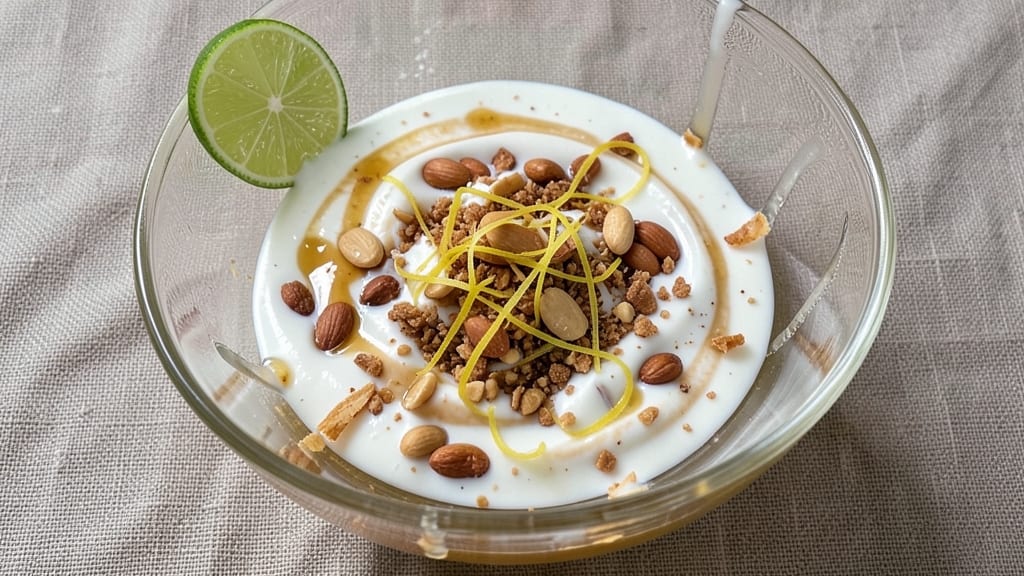
This Cocos Asian salad dressing recipe transforms simple greens into a vibrant, umami-rich experience with just 5 minutes of prep. The secret lies in balancing creamy coconut milk with tangy lime and toasted peanut notes—creating a dressing that clings perfectly to every leaf while adding depth without overpowering.
I developed this after years of testing store-bought versions that always fell short of restaurant-quality flavor, and this one finally delivers.
The magic happens when you whisk together coconut milk, rice vinegar, and a touch of coconut aminos for that signature umami kick, then fold in a peanut-lime paste that adds both texture and zing.
Toasted peanuts (or peanut butter) provide richness, while fresh lime juice and garlic keep the dressing bright and complex. The result? A velvety, slightly thick dressing that enhances any salad—from crisp greens to hearty grain bowls—without leaving a heavy aftertaste.
What sets this apart is its versatility: use it on Asian-inspired salads, drizzle over grilled chicken or fish, or even toss with noodles for instant flavor. The dressing stays fresh in the fridge for up to 5 days, making it perfect for meal prep.
Whether you're hosting a dinner party or just craving a restaurant-worthy salad at home, this recipe is your go-to for effortless, flavor-packed results.
For extra depth, toast the peanuts until fragrant and blend them with lime zest for an aromatic boost. If you prefer a smoother texture, strain the dressing through a fine-mesh sieve before serving.
The key is balancing the creamy coconut with the bright acidity of lime—trust the process, and you'll have a dressing that elevates every bite.
Ingredients for cocos asian salad dressing
Nine simple ingredients create this restaurant-worthy dressing that's lighter than coconut milk alone.
| Ingredient | Amount | Notes |
|---|---|---|
| Coconut Milk (Full-Fat, Canned) 🥥 | ½ cup | Unsweetened, well-stirred can |
| Rice Vinegar 🍶 | ¼ cup | Seasoned preferred for depth |
| Coconut Aminos 🍜 | 1 tbsp | Or sub soy sauce in pinch |
| Toasted Peanuts 🥜 | ¼ cup | Lightly browned, unsalted |
| Peanut Butter (Natural) 🥜 | 2 tbsp | Creamy, unsweetened preferred |
| Fresh Lime Juice 🍋 | 2 tbsp | Strained for smooth texture |
| Garlic Cloves 🧄 | 1 whole | Minced for subtle aroma |
| Sesame Oil 🫒 | 1 tsp | Toasted for nutty depth |
| Honey (or Maple Syrup) 🍯 | 1 tsp | Balances acidity naturally |
| Ground Ginger 🌿 | ½ tsp | Fresh grated preferred |
The coconut milk is non-negotiable—full-fat canned gives that velvety texture. Thai Kitchen or Goya brands work best for consistency, but any unsweetened can works. Toast the peanuts yourself for 3-4 minutes in a dry pan until fragrant—they add so much more depth than store-bought toasted. For the peanut butter, natural, unsweetened is key (like Smucker's Natural or store brands), as sweetened versions throw off the balance. The lime juice should be freshly squeezed—bottled just doesn't cut it here.
No peanut butter? Toast the peanuts extra until they're almost crispy, then blend with a splash of coconut milk to make a quick paste. Running short on coconut aminos? Soy sauce plus a pinch of sugar works in a bind, though it'll taste slightly different. Fresh ginger? Substitute ground ginger at half the amount, but you'll miss that bright zing. For a smoother dressing, strain through a fine-mesh sieve after blending—I always do this to get rid of any peanut bits. The sesame oil is what ties it all together, so don't skip it unless you're avoiding gluten (use toasted sesame oil instead).
This dressing keeps beautifully for 5-6 days in the fridge, sealed tightly in a jar. The texture thickens as it sits, so give it a quick whisk before using. For extra flavor, make a double batch—it disappears fast. I always portion mine into small jars for salads and grain bowls throughout the week. Freezes for up to 3 months if you want to make a big batch ahead, though the texture might separate slightly when thawed—just stir it back together.
Why You'll Love This Recipe
- 5-Ingredient Magic: This dressing comes together with stuff you’re already buying—no specialty trips to the store. Just coconut milk, rice vinegar, coconut aminos, peanut butter, and toasted peanuts. That’s it. Honestly, I keep a jar of each in my pantry just for this.
- Umami Bomb: The combo of coconut aminos and peanut butter gives it this deep, savory punch that clings to greens like a hug. (Yes, even on a Tuesday night.) It’s creamy, tangy, and nutty all at once—no weird aftertaste, just pure flavor.
- Meal Prep MVP: I make a big batch on Sundays and toss it in containers for the week. It works on summer salads, stir-fries, or even drizzled over grilled chicken. Between us, it’s the only dressing that doesn’t turn sad in the fridge.
- Budget Hack: A can of coconut milk and a jar of peanut butter stretch across so many meals. This dressing costs me pennies but tastes like I spent hours in the kitchen. (Spoiler: I didn’t.) Plus, toasted peanuts add crunch without breaking the bank.
Step-by-step instructions for Cocos Asian salad dressing
This creamy, nutty dressing comes together in minutes with just a few simple steps.
Blend the Base Ingredients
Start by combining the 0.5 cup coconut milk, 0.25 cup rice vinegar, 1 tbsp coconut aminos, 2 tbsp peanut butter, 2 tbsp fresh lime juice, 1 minced garlic clove, and 0.5 tsp ground ginger in a blender. I like to use a high-powered blender for this step—it ensures everything emulsifies smoothly without any grainy peanut butter bits.
Blend on medium speed for 20-30 seconds until completely smooth. The mixture should look like a thick, creamy liquid with no visible peanut butter chunks. If you notice any lumps, pulse again briefly. This base forms the rich, umami foundation of the dressing.
Add Toasted Peanuts and Sesame Oil
With the blender still running on low speed, slowly drizzle in the 1 tsp sesame oil while blending. This step helps distribute the oil evenly throughout the dressing, giving it that signature nutty aroma. Then, add the 0.25 cup toasted peanuts and blend for another 10-15 seconds just to incorporate them.
Don't over-blend here—you want the peanuts to stay slightly textured for that satisfying crunch in every bite. If the dressing looks too thick, add 1-2 tablespoons of water and blend again until smooth. The texture should be like a thick, pourable sauce.
Sweeten and Adjust Consistency
Pour the dressing into a bowl and stir in the 1 tsp honey (or maple syrup). This balances the acidity from the lime and rice vinegar, rounding out the flavors. Taste and adjust the seasoning if needed—you might want to add a pinch more coconut aminos for saltiness or a splash more lime juice for tang.
For a smoother dressing, strain it through a fine-mesh sieve to remove any remaining peanut bits. If you prefer a thicker dressing, let it sit for 10 minutes in the fridge before serving. This allows the flavors to meld even more, giving you that perfect balance of sweet, savory, and nutty goodness.
Store and Use
Transfer the dressing to an airtight jar or container and refrigerate for up to 5 days. This dressing keeps well and tastes even better after the flavors have had a chance to develop. Shake or stir well before using, especially if you've stored it for a few days.
Use it immediately on your favorite salads, noodle bowls, or even as a marinade for grilled chicken or tofu. The creamy texture and bold flavors make it a versatile addition to any meal. If you want to get fancy, garnish with extra toasted peanuts or a drizzle of sesame oil before serving.
Pro Tips For Making Cocos Asian Salad Dressing
- Whisk the Peanut Butter First: Dump the peanut butter in before any liquid—it’s stubborn and won’t blend smoothly if you add it last. I learned this the hard way when my first batch turned into a lumpy, greasy mess. A quick 30-second whisk with a fork before adding coconut milk keeps everything silky.
- Use Warm Coconut Milk: Open the can and let the coconut milk sit at room temp for 10 minutes—cold milk separates when mixed with peanut butter. I used to shake the can first, but that just makes the dressing split later. Warm it up, and the texture stays creamy without breaking.
- Toast Peanuts Fresh: Skip the pre-toasted peanuts from the bag—they’re often stale or overcooked. Dry-toast your own in a pan for 3-4 minutes until golden, then crush them yourself. The freshness makes a real difference, and the crunch stays crisp longer in the dressing.
- Balance the Vinegar Slowly: Start with half the rice vinegar called for, taste, then add more—coconut aminos are salty, and vinegar’s acidity can overpower. I once dumped in the full amount and ended up with a dressing that tasted like a pickle fight. Build flavor in layers.
Troubleshooting this dish
Lumpy Peanut Texture
If your dressing has visible peanut chunks after blending, don't panic—this happens when peanuts aren't fully broken down. For a smoother result, pulse the toasted peanuts in your food processor for 10-15 seconds before adding them to the blender.
I like to toast ¼ cup peanuts in a dry pan for 3-4 minutes until fragrant, then process them until they resemble coarse sand. This ensures even distribution without graininess. 🥜
Separation Issues
Coconut milk dressings can sometimes split if not emulsified properly. To fix this, whisk in 1 tsp xanthan gum or 1 tsp cornstarch mixed with 1 tbsp cold water while blending on high. This acts as a natural thickener and stabilizer.
For prevention, always blend the coconut milk, vinegar, and peanut butter together first—this creates the emulsifying base. If separation occurs after storage, simply whisk vigorously or blend briefly to restore consistency.
Too Thin or Watery
If your dressing is too thin, it's likely because the coconut milk wasn't thick enough or you added too much liquid. For an instant fix, simmer ¼ cup dressing in a small saucepan over low heat for 3-4 minutes until slightly thickened, then whisk back into the remaining dressing.
For prevention, use full-fat coconut milk (not light) and reduce any added water by half. I've found that Thai Kitchen brand holds its thickness better than others. For extra body, add 1 tsp arrowroot powder mixed with 1 tbsp water while blending.
Overpowering Peanut Flavor
Peanut flavor can dominate if the other ingredients aren't balanced. To mellow it out, add 1 extra tbsp rice vinegar and ½ tsp lime zest—the acidity cuts through the richness.
For a more subtle peanut taste, reduce the peanut butter to 1 tbsp and increase the toasted peanuts to ⅓ cup (blended finely). If you prefer a sweeter profile, add ½ tsp vanilla extract to complement the coconut.
Always taste as you go—this dressing should sing with peanut notes but not overpower.
Grainy After Straining
Straining removes texture but can leave a gritty residue if not done carefully. Use a fine-mesh sieve (like those for nut butters) and press gently with a spoon to extract all the liquid. For extra smoothness, blend the strained dressing again for 10 seconds.
If you want to keep some texture, skip straining entirely and just whisk vigorously before serving. The key is consistency—NutriBullet or Vitamix blenders handle this best, but even a regular blender works if you pulse frequently.
Nutrition facts
Frequently asked questions
Can I make this dressing without peanut butter?
Replace the 2 tbsp peanut butter with ¼ cup toasted peanuts that you've pulsed in a food processor until finely ground. For a different nut flavor, try almond butter or cashew butter—just reduce the amount to 1 tbsp since they're less rich. Sesame seeds (1 tbsp) also add great texture and a nutty depth without peanuts.
How do I adjust this for a vegan diet?
This recipe is already vegan-friendly, but check your coconut aminos—some brands contain fish sauce. For extra umami, add 1 tsp nutritional yeast or ½ tsp white miso paste while blending. The honey can be swapped for maple syrup or agave without altering the flavor balance. Just ensure all other ingredients are plant-based.
What's the best way to store leftover dressing?
Transfer to an airtight jar or container and refrigerate for up to 5-6 days. The texture will thicken naturally—simply whisk or shake before using. For longer storage, freeze in ice cube trays for 3 months—thaw overnight in the fridge. Avoid freezing in large batches as the consistency may separate slightly.
Can I use this dressing on non-salad dishes?
Drizzle over grilled chicken, baked tofu, or steamed veggies for instant flavor. It also works as a marinade for 2-4 hours before cooking—great for shrimp skewers or pork tenderloin. The creamy texture makes it perfect for rice bowls or as a dipping sauce for spring rolls. Just adjust the thickness by adding 1-2 tbsp water if needed.
Why does my dressing taste too sweet?
This usually happens when the peanut butter is sweetened or you added too much honey. Balance it by adding 1 extra tbsp rice vinegar and ½ tsp lime zest—the acidity cuts through sweetness. For a more savory profile, increase the coconut aminos to 2 tbsp. If using sweetened peanut butter, reduce the honey to ½ tsp or omit it entirely. Taste as you go!