
Salads
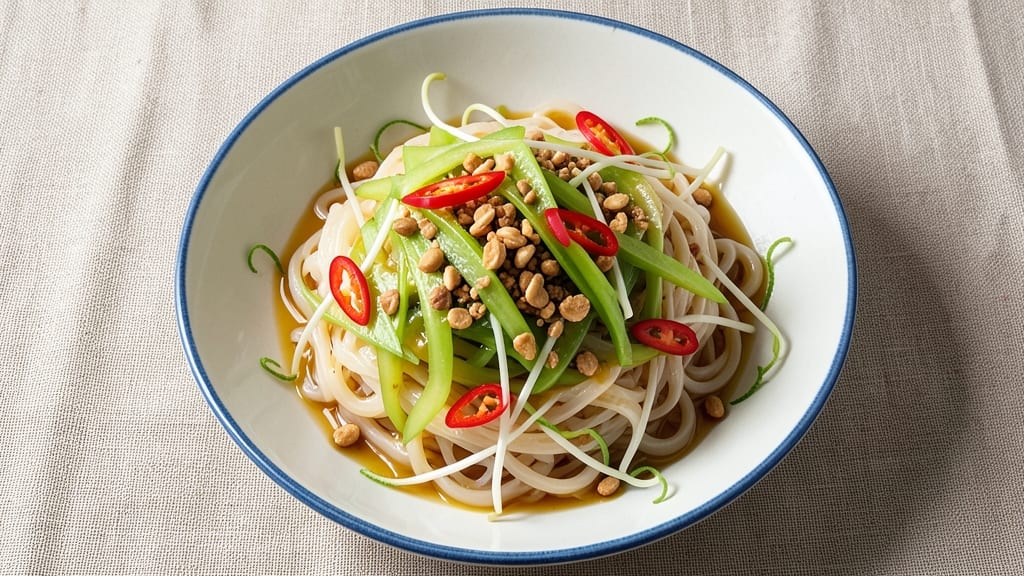
This cold Thai salad recipe transforms traditional Som Tum into a modern, vegetarian masterpiece with crispy rice noodles and a tangy lime-lavash fusion. The secret lies in balancing textures—crunchy shredded papaya, toasted peanuts, and delicate rice noodles—while the dressing delivers a perfect harmony of sweet, spicy, and umami.
I developed this version after years of refining the classic, ensuring every bite delivers authentic Thai flavors without the fish sauce. What sets this apart is the fusion of lime zest and lavash for a bright, aromatic twist that keeps the salad fresh for hours.
The foundation starts with pre-soaked rice noodles that maintain their bite, tossed with shredded green papaya for that signature crunch. A zesty dressing—made with lime juice, palm sugar, chili flakes, and a touch of soy sauce—binds everything together while keeping the salad light and refreshing.
The key is assembly timing: add the dressing just before serving to preserve the noodles' texture and the papaya's crispness. For extra depth, toasted peanuts and fresh herbs like Thai basil and cilantro provide layers of flavor and color.
What you'll end up with is a salad that's vibrant, complex, and restaurant-quality at home—perfect for hot days or as a light lunch. The lime-lavash fusion adds a subtle herbal note that elevates the dish beyond traditional versions, while the rice noodles bring a satisfying chew.
This recipe is foolproof, with clear steps for prepping ingredients ahead and assembling just before serving. Whether you're serving it as a main dish or a side, it's guaranteed to impress.
For a non-vegetarian twist, simply add grilled chicken or shrimp at the end. The salad holds up beautifully for up to 4 hours in the fridge, making it ideal for meal prep or potlucks. Let's dive into the steps—this fusion is easier than you think, and the results are unforgettable.
Ingredients for cold thai salad
Crispy noodles, shredded papaya, and zesty lime dressing—this fusion salad packs restaurant-quality flavor.
| Ingredient | Amount | Notes |
|---|---|---|
| Rice Noodles 🍜 | 8 oz | Thin or medium width, uncooked |
| Green Papaya 🥒 | 3 cups | Shredded, small dice preferred |
| Lime Zest 🍋 | 1 tbsp | Freshly grated, no pith |
| Lime Juice 🍋 | ½ cup | Freshly squeezed, strained |
| Palm Sugar 🍯 | 2 tbsp | Or substitute brown sugar |
| Red Chili Flakes 🌶️ | 1 tbsp | Adjust for spice preference |
| Vegetable Oil 🫒 | ¼ cup | For frying peanuts |
| Raw Peanuts 🥜 | ½ cup | Unsalted, whole or halves |
| Thai Basil Leaves 🌿 | ¼ cup | Packed, stems removed |
| Cilantro Leaves 🌿 | ¼ cup | Packed, chopped |
| Lavash 🍞 | 2 pieces | Thin, toasted, crumbled |
| Soy Sauce 🥢 | 1 tbsp | Light or tamari preferred |
| Salt 🧂 | ½ tsp | Kosher or sea salt |
| Black Pepper 🌶️ | ¼ tsp | Freshly ground preferred |
The papaya is non-negotiable for that signature crunch. Look for vibrant green papayas at Asian markets—they're sweeter and less seedy than the yellow ones. If you can't find green, substitute 2 cups shredded carrots for a milder sweetness. The rice noodles should be thin or medium width—anything wider gets mushy when soaked. I always buy the unflavored, uncooked kind from the Asian aisle, but the regular supermarket rice noodles work too. Just soak them for 10 minutes max—any longer and they turn to mush.
No palm sugar? Brown sugar or coconut sugar works perfectly—just dissolve it in the lime juice first. The red chili flakes can be swapped for minced fresh chili if you're feeling spicy, but I prefer the heat control of flakes. For the peanuts, toast them in a dry pan first to bring out their flavor—skip the oil if you're watching calories. The lavash is the secret weapon here: toast it lightly and crumble for a nutty, crispy texture that mimics the umami depth of traditional fish sauce. If you can't find lavash, toasted coconut flakes add a similar crunch.
This salad keeps beautifully for 4 hours in the fridge, but the noodles get soggy after 2. Store the dressing separately and toss it on just before serving. The papaya stays crisp for 2 days if you keep it dry—pat it with paper towels before adding to the salad. For meal prep, assemble everything except the dressing and store components separately. The lime zest and lavash can be prepped a day ahead, but add the herbs fresh for maximum flavor.
Why You'll Love This Recipe
- I swear by this trick: soak the rice noodles in warm water for 10 minutes, drain, and boom—they’re ready. No boiling, no fuss, and they hold up perfectly in the salad. Honestly, it’s the kind of prep that makes me want to cook on lazy days.
- No-Cook Base Ready: I swear by this trick: soak the rice noodles in warm water for 10 minutes, drain, and boom—they’re ready. No boiling, no fuss, and they hold up perfectly in the salad. Honestly, it’s the kind of prep that makes me want to cook on lazy days.
- Zesty Crunch Magic: That lime zest and juice? It’s not just flavor—it’s the secret weapon. The bright tang cuts through the sweetness of palm sugar while the shredded green papaya adds this perfect crunch. I’ll be real: the first time I tasted it, I grabbed another bowl.
- Lunchbox Hero: Pack it the night before, and you’ve got a meal that stays fresh for days. The noodles soften just enough, the dressing keeps it vibrant, and my kids actually eat their veggies. (Yes, even on a Tuesday night.) It’s my go-to for work lunches or school lunches—no reheating required.
Step-by-step instructions for cold Thai salad with rice noodles
Here's how to assemble this vibrant, crunchy salad with perfect texture and balance.
Prepare the Rice Noodles
Bring a large pot of water to a rolling boil. Add the 8 oz rice noodles and cook for 4-5 minutes until they're tender but still hold their shape—you want them al dente so they don't turn mushy. Drain immediately and rinse under cold water to stop the cooking process. Toss the noodles with 1 tablespoon soy sauce while they're still warm to help them absorb the flavor. Let them cool completely before assembling the salad.
This quick cooking method ensures your noodles stay firm and don't turn to paste. If you notice any noodles sticking together, gently separate them with your fingers before tossing with the soy sauce. The noodles should be cool to the touch before proceeding—they'll mix better with the dressing and other ingredients when they're at room temperature.
Toast the Peanuts and Crumble the Lavash
Heat ¼ cup vegetable oil in a small skillet over medium heat. Add the ½ cup raw peanuts and toast for 3-4 minutes, stirring constantly, until they're golden brown and fragrant. Remove from heat immediately and let cool for 2 minutes before transferring to a plate. While the peanuts toast, tear the 2 pieces lavash into small pieces and set aside.
Don't walk away while the peanuts toast—they burn easily. You'll know they're done when they release their nutty aroma and turn an even golden color. The lavash should be crumbled into bite-sized pieces, not too fine or it will lose its texture in the salad. Both the peanuts and lavash add essential crunch to this dish.
Make the Tangy Dressing
In a small bowl, whisk together the ½ cup lime juice, 1 tablespoon lime zest, 2 tablespoons palm sugar, 1 tablespoon red chili flakes, ½ teaspoon salt, and ¼ teaspoon black pepper. Taste and adjust the balance—you might want to add a bit more sugar to balance the acidity or more chili flakes for extra heat. Set the dressing aside while you prepare the remaining ingredients.
The dressing should be vibrant yellow with visible red chili flecks. This is where the salad gets its signature tangy kick. If you're using brown sugar as a substitute, it will add a slightly deeper caramel note to the dressing. The lime zest adds a bright citrus aroma that really makes this dressing pop.
Assemble the Salad
In a large bowl, combine the cooled rice noodles, 3 cups shredded green papaya, ¼ cup Thai basil leaves, and ¼ cup chopped cilantro leaves. Pour the dressing over the mixture and toss gently but thoroughly to coat everything evenly. Let it sit for 5 minutes to allow the flavors to meld together.
Here's where the magic happens—the flavors come together. The papaya should be slightly wilted from the dressing, but still hold its shape. If you notice the salad is too wet after tossing, add the crumbled lavash and toasted peanuts first to help absorb any excess moisture. The basil and cilantro will release their aromas as they sit with the dressing.
Finish and Serve
Just before serving, gently fold in the toasted peanuts and crumbled lavash. Taste and adjust seasoning if needed—you might want to add a splash more lime juice for brightness or a pinch of salt for balance. Serve immediately while everything is still crisp and vibrant.
This salad tastes best when served fresh, with all the textures and flavors at their peak. The peanuts should be warm from toasting, the lavash should add a crispy contrast, and the dressing should be evenly distributed throughout. Each bite should deliver a perfect balance of sweet, tangy, spicy, and crunchy elements.
Pro Tips For Making Cold Thai Salad
- SOAK NOODLES CORRECTLY: Rice noodles need just enough water to soften—not turn to mush. Use 1 cup boiling water per 100g noodles, let sit covered for 10–15 minutes, then drain and rinse under cold water. I learned this the hard way—over-soaked noodles make the salad soggy, and nobody wants that.
- SHRED PAPAYA THINLY: Use a sharp knife and cut the green papaya lengthwise into ¼-inch slices first, then slice crosswise into thin strips—like matchsticks. Thicker slices stay crunchy but lose texture; thin ones soak up dressing perfectly. (Yes, even if you’re impatient like me.)
- BALANCE SWEET AND SOUR: Palm sugar should taste like a whisper, not a shout. Start with 1–2 teaspoons per serving, then adjust lime juice to taste—add zest first for aroma, then juice. I skip measuring lime juice entirely and taste as I go; the dressing should brighten, not overpower.
- CHILL THE DRESSING FIRST: Mix lime zest, juice, and palm sugar before tossing with salad, then refrigerate for 10 minutes. Cold dressing prevents the noodles from absorbing too much liquid right away, keeping the texture crisp. (Your future self will thank you.)
Regional styles of this dish
Northern Thai Style
In Northern Thailand, this salad often includes fermented soybeans (tau co) for an extra umami punch. Look for them in the Asian aisle—about ¼ cup adds a funky, salty depth that balances the lime.
I like to lightly toast these with the peanuts for 1 minute before adding to the salad. Another regional touch is raw mango instead of papaya, which adds a tropical sweetness that pairs beautifully with the chili. 🌶️
Central Thai Fusion
The most famous version, Som Tum Makhua, comes from Central Thailand and traditionally uses green papaya, lime, chili, and palm sugar—just like this recipe. The key difference? Authentic versions often include dried shrimp for umami, but I’ve replaced that with toasted coconut flakes for a vegetarian option.
For extra authenticity, add 1 teaspoon of shrimp paste (kapi) to the dressing—it’s a game-changer, but omit if you’re avoiding seafood entirely.
Southern Thai Twist
Southern Thailand takes this salad in a spicier, fruitier direction. Swap the papaya for shredded jackfruit or pineapple (about 2 cups) and add 1 tablespoon of tamarind paste to the dressing for a tangy depth.
The region also loves roasted crab meat (or tofu for vegetarians) mixed into the salad. I’ve seen versions with chili jam instead of flakes—just 1 teaspoon adds a sticky, fruity heat that’s addictive. 🍍
Isan-Inspired Heat
Isan cuisine, from Northeast Thailand, brings fermented fish sauce (nam pla) to the table—though I’ve replaced it with soy sauce here. For a true Isan touch, add 1 tablespoon of pickled garlic (krueng kapi) and ½ cup of sliced cherry tomatoes to the salad.
The region also loves dried shrimp (or toasted cashews for vegetarians) and a heavier hand with chili—up to 2 tablespoons of flakes if you dare. The result? A funkier, saltier, and spicier salad that’s perfect with grilled meats.
Modern Bangkok Adaptation
Bangkok’s street food culture has reimagined this salad with crispy rice noodles (like in this recipe) and creamy peanut sauce drizzled on top. For a Bangkok-style twist, mix 2 tablespoons of peanut butter into the dressing and add 1 teaspoon of sriracha for a smoother, nuttier finish.
Garnish with crushed peanuts and fried shallots for extra crunch. This version is richer and more decadent—ideal for a heartier meal. 🥜
Nutrition facts
Frequently asked questions
Can I make this salad ahead of time?
Yes, but with a few key adjustments! Prep all ingredients separately and store them in airtight containers in the fridge for up to 4 hours. Keep the dressing separate until serving to maintain crispness. The papaya stays fresh for 2 days if kept dry, and the noodles hold their texture best when stored dry. Just toss everything together right before eating for maximum crunch.
What's the best way to find green papaya?
Look for firm, vibrant green papayas at Asian markets or specialty produce sections. Avoid papayas with yellow spots or soft areas—they'll be too ripe and mushy. If you can't find green, substitute 2 cups shredded carrots for a milder sweetness. For extra flavor, choose papayas that smell slightly sweet and firm to the touch.
How can I adjust the spice level?
Start with 1 tablespoon of chili flakes and adjust to taste. For milder heat, reduce to ½ teaspoon or swap for ½ teaspoon of sweet paprika. If you love spice, add 1 teaspoon of minced fresh chili or a dash of chili garlic sauce. Remember, the lime juice will mellow the heat slightly as it sits.
Can I make this gluten-free?
Use tamari or coconut aminos instead of soy sauce, and ensure your rice noodles are certified gluten-free. Check labels on palm sugar (some brands process with wheat) and verify your lavash is gluten-free if needed. All other ingredients are naturally gluten-free. The flavor profile remains intact with these simple swaps.
What's the secret to crispy rice noodles?
The key is proper cooking and cooling. Cook noodles for exactly 4-5 minutes until al dente, then rinse immediately in cold water to stop cooking. Toss with 1 tablespoon soy sauce while warm to absorb flavor, then spread on a tray to cool completely. This prevents them from becoming gummy when mixed with the dressing.