Salads
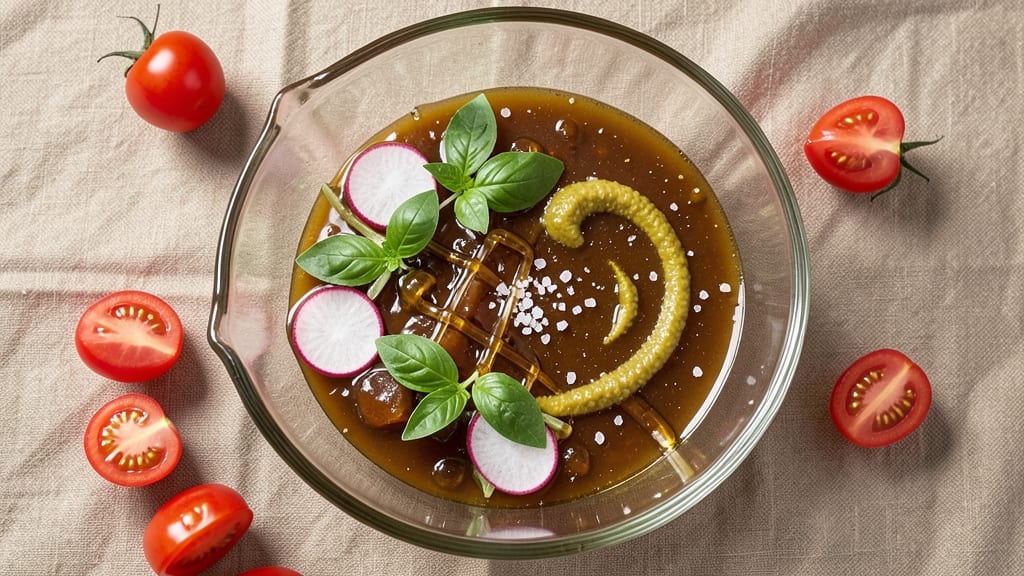
This sweet salad vinaigrette recipe transforms bitter greens into a vibrant, flavor-packed experience with just five simple ingredients. The perfect balance of honey and balsamic creates a tangy-sweet dressing that elevates any salad—no fancy techniques required.
I developed this recipe after years of testing, ensuring it's foolproof for both beginners and seasoned cooks alike.
The magic lies in the ratio: 3 parts oil to 1 part vinegar, with honey and balsamic adding depth without overpowering. A pinch of Dijon mustard emulsifies everything, creating a silky texture that clings beautifully to lettuce, grains, or roasted vegetables.
This dressing stays fresh for up to a week in the fridge, making it ideal for meal prep.
What sets this apart is its versatility—use it as-is for a classic sweet-savory profile, or customize with fruit purées (like mango or peach) for summer salads. The honey-balsamic combo also pairs perfectly with grilled chicken, goat cheese, or nuts. The result? A dressing that’s bright, balanced, and impossible to resist.
Ready in just 5 minutes, this recipe delivers restaurant-quality flavor with minimal effort. Whether you're dressing a simple green salad or a hearty grain bowl, this vinaigrette will elevate every bite. Let’s get started!
Ingredients for sweet salad vinaigrette
Five ingredients, perfect balance—this vinaigrette transforms any salad into a restaurant-worthy dish.
| Ingredient | Amount | Notes |
|---|---|---|
| Extra-Virgin Olive Oil 🫒 | ¾ cup | High-quality, fruity variety preferred |
| Balsamic Vinegar 🍷 | ¼ cup | Aged, robust flavor recommended |
| Raw Honey 🍯 | ¼ cup | Local or wildflower preferred |
| Dijon Mustard 🌶️ | 1 tbsp | Mild or medium intensity |
| Diamond Crystal Kosher Salt 🧂 | ¼ tsp | Fine grain for even dissolving |
The olive oil is non-negotiable—California avocado or Italian extra-virgin brands like Bertolli or Colavita deliver that fruity depth. Balsamic vinegar should be aged at least 12 years for that rich, caramelized flavor—Giovanni Rossi or Di Martino are solid choices. Honey matters too: local wildflower adds complexity, while store-bought clover works in a pinch. For Dijon mustard, Maille is the gold standard, but any quality brand will emulsify beautifully. If you're using pre-made mustard, ensure it's pure—no additives or sweeteners.
No honey? Maple syrup or agave nectar works at the same ratio, though the flavor shifts slightly. Short on balsamic? Red wine vinegar with 1 tsp balsamic glaze mimics the depth. The mustard can be omitted entirely if you prefer a smoother texture, but it's what binds everything together. For a fruitier twist, swap half the honey for peach or mango purée. The salt is subtle but essential—Diamond Crystal dissolves cleanly, while table salt can leave graininess. Always taste as you go; adjustments are easier before emulsifying.
Store in a clean glass jar with a tight seal, refrigerated. The dressing thickens naturally in the fridge—shake vigorously before each use. Keeps for up to 1 week, though the honey helps preserve it longer than typical vinaigrettes. For meal prep, portion into small containers to avoid waste. If the oil separates, simply whisk or shake to re-emulsify. The flavor actually improves after 24 hours as the ingredients meld.
Why You'll Love This Recipe
- Five-Ingredient Magic: I swear by this combo—just olive oil, balsamic, honey, mustard, and salt. No chopping, no straining, no stress. Honestly, I’ve made it while microwaving leftovers. The mustard adds that tangy kick without overpowering, and the honey? It’s the secret weapon that turns plain greens into something you’ll actually crave.
- Balanced Sweet Heat: That honey-balsamic-mustard mix is ridiculously good—sweet enough to satisfy a dessert craving, but the mustard cuts through it so it doesn’t taste like syrup. I’ll be real: I’ve drizzled this on everything from grilled chicken to toasted bread, and it never feels out of place. The salt? Just a pinch—it’s all about letting the other flavors shine.
- Weeknight & Party Star: Make a big batch on Sunday and use it all week. It’s my go-to for quick lunches, picnic sides, or even a fancy-ish dinner when I’m too tired to cook. Between us, I’ve brought this to potlucks and had people ask for the recipe—no one expects a sweet dressing, and that’s what makes it special.
- No-Waste Pantry Hero: You’re probably already using these ingredients. Olive oil, balsamic, honey? Basic. Mustard? Always in my fridge. I’ve turned stale bread into croutons with this dressing, tossed it with roasted veggies, and even used it to glaze pork chops. It’s the kind of recipe that makes you feel like you’re getting a lot for almost nothing.
Step-by-step instructions for honey-balsamic dressing
This balanced vinaigrette delivers perfect harmony between sweet and tangy flavors for vibrant salads.
Whisk Vinegar and Honey Together
In a medium bowl, combine the 0.25 cup balsamic vinegar and 0.25 cup raw honey. Use a fork or small whisk to stir vigorously until the honey dissolves completely and the mixture becomes smooth and syrupy. This step is crucial for creating an even emulsion later—the honey should integrate fully without any graininess.
I like to let this mixture sit for 2 minutes while I prepare the other ingredients. This brief rest allows the flavors to begin melding, which will make the final dressing taste more cohesive. The combination should smell rich and complex, with both sweet and slightly acidic notes.
Incorporate Mustard and Salt
Add the 1 tablespoon Dijon mustard and 0.25 teaspoon Diamond Crystal kosher salt to the vinegar-honey mixture. Whisk continuously for 30 seconds until everything is fully incorporated. The mustard acts as an emulsifier that will help bind the oil later, while the salt enhances all the flavors.
Here's the thing—don't rush this step. The mustard needs to disperse completely to prevent any gritty texture in your final dressing. If you notice any streaks of mustard after whisking, give it another 10 seconds of vigorous mixing. The mixture should now have a thick, paste-like consistency.
Gradually Add Olive Oil
With the whisk still in the bowl, begin adding the 0.75 cup extra-virgin olive oil very slowly—about 1 tablespoon at a time. After each addition, whisk vigorously for 5-10 seconds. This gradual incorporation is what creates the stable emulsion that keeps the dressing from separating.
I've found that patience pays off here. If you pour in all the oil at once, you'll likely end up with a broken dressing that separates quickly. The key is to let the mustard emulsify each small amount of oil before adding more. You'll know you're doing it right when the mixture begins to thicken and take on a creamy, slightly glossy appearance.
Adjust Consistency and Flavor
Taste the dressing and assess the balance. If it needs more sweetness, add 1 teaspoon more honey. If it's too sharp, add another ½ teaspoon balsamic vinegar. For thickness, add 1 teaspoon water at a time until you reach your preferred consistency—it should coat the back of a spoon but still pour smoothly.
This is where the magic happens. The dressing should now have a perfect balance of sweet, tangy, and slightly peppery notes from the mustard. If it tastes flat, add a pinch more salt. If it's too heavy, thin it with 1 teaspoon more water. Remember, you can always adjust, but you can't take out what you've added—so err on the side of caution.
Store and Use Properly
Transfer the finished dressing to a clean, airtight jar or container. Store it in the refrigerator for up to 2 weeks. Before each use, give it a good shake—this helps redistribute any separated oil. The dressing will naturally separate slightly over time, but the emulsion should reform quickly when shaken.
Use this dressing within 3 days for the freshest flavor. It works beautifully on mixed greens, roasted vegetable salads, or as a marinade for grilled proteins. The honey-balsamic balance makes it versatile enough for both sweet and savory dishes while maintaining that vibrant, restaurant-quality taste.
Pro Tips For Making Sweet Salad Vinaigrette
- Whisk in stages: Start by mixing the honey, mustard, and vinegar—this keeps the honey from immediately dissolving into the oil. Once smooth, slowly drizzle in the olive oil while whisking constantly; stopping mid-whisk leaves you with a split dressing that’s more trouble than it’s worth.
- Use warm honey: Scoop the honey straight from the jar while it’s still at room temperature (or gently warm it for 10 seconds in warm water). Cold honey thickens the dressing and makes it harder to emulsify—trust me, you’ll notice the difference when it blends smoothly.
- Salt before emulsifying: Sprinkle the kosher salt into the vinegar-honey-mustard mix before adding the oil. Salt helps break down the honey’s viscosity, making the dressing emulsify faster and taste more balanced—no clumping, no guesswork.
- Skip the measuring cups: Eyeball the honey and vinegar ratio (start with 1:1, then adjust to taste). Measuring spoons turn this into a science project; your palate will thank you for trusting intuition after the first try.
Perfect pairings for this recipe
Salad Pairings
This honey-balsamic dressing shines on mixed greens like arugula, spinach, or romaine—its sweetness tames bitterness beautifully. I love tossing it with roasted sweet potatoes and crispy chickpeas for a hearty bowl. For a lighter option, pair it with shredded cabbage and mandarin oranges for a refreshing twist. 🥗
Protein Pairings
Grilled chicken breast or salmon becomes irresistible with this dressing—its honey-balsamic notes complement smoky flavors perfectly. Try it on seared scallops or pan-seared shrimp for a restaurant-worthy meal. Even crispy tofu gets an upgrade with this sweet-savory balance. 🍗
Cheese & Nut Additions
Add crumbled goat cheese or feta for creaminess, or sprinkle with toasted pecans and pomegranate seeds for texture. I also love it with blue cheese on arugula for a bold contrast. For a lighter touch, try shaved Parmesan and toasted pine nuts. 🧀
Seasonal Variations
In summer, swap honey for peach or mango purée and add fresh berries. For fall, boost with roasted butternut squash and pecans. Winter calls for warm apples and walnuts—the dressing’s richness pairs perfectly with hearty greens. 🍎
Non-Salad Uses
Use this dressing as a marinade for grilled veggies or proteins—it caramelizes beautifully. Drizzle over roasted Brussels sprouts or grilled asparagus for a sweet-savory finish. Even pasta salads get a gourmet upgrade with this flavorful twist. 🍽️
Nutrition facts
Frequently asked questions
Can I make this dressing without honey?
Yes! For a vegan option, substitute honey with maple syrup or agave nectar at the same ratio (0.25 cup). For a fruitier twist, try peach or mango purée instead—just reduce other liquids slightly to maintain balance. The flavor will shift but still deliver that sweet-tangy profile.
Why does my dressing separate after a few days?
All vinaigrettes naturally separate when stored—it's normal! The good news is they re-emulsify easily. Simply shake or whisk vigorously before using. To extend shelf life, store in a fully sealed jar with no air gaps. The mustard helps stabilize it, but oil and vinegar will always separate slightly over time.
How much dressing should I make for a salad?
For a standard 8-cup salad, this recipe makes about 1 cup of dressing—enough for generous tossing. Start with 2-3 tablespoons per salad and adjust to taste. The honey-balsamic flavor is bold, so less is often more. For larger gatherings, double the recipe—it stores perfectly for 1 week in the fridge.
Can I use this dressing on cooked proteins?
This dressing works beautifully as a marinade for grilled chicken, salmon, or tofu—let proteins marinate for 15-30 minutes before cooking. It also makes an excellent drizzling sauce over roasted vegetables or pasta. The sweetness caramelizes beautifully when exposed to heat.
What if my dressing tastes too sweet?
Add 1-2 teaspoons more balsamic vinegar and whisk well to balance the sweetness. If it's still too strong, thin with 1 teaspoon water at a time. For a more complex flavor, try adding ½ teaspoon lemon juice—it brightens the dressing while cutting sweetness. Always taste as you go!