
Salads
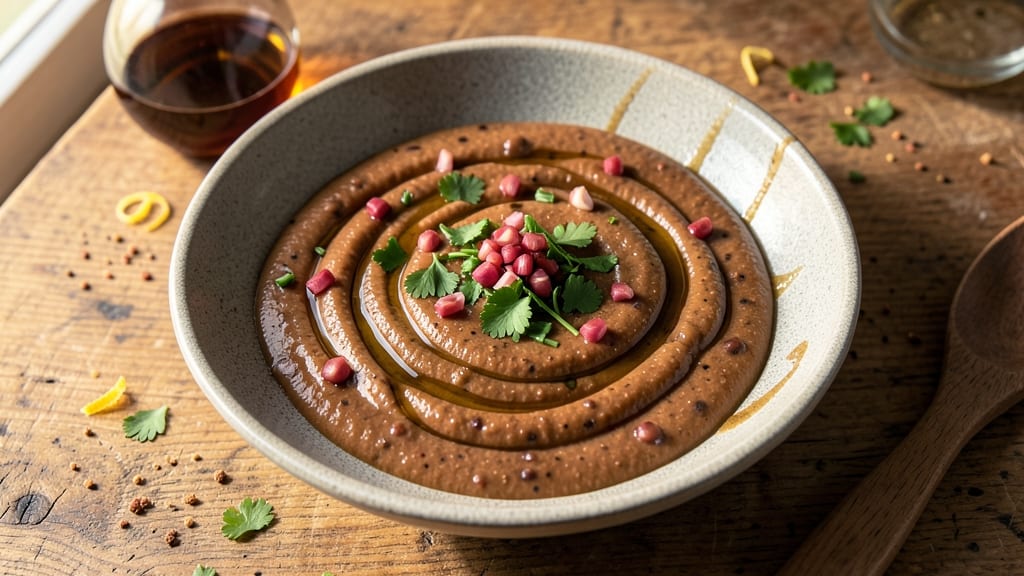
This traditional bean salad dressing transforms simple ingredients into a vibrant, tangy sauce that elevates any dish. The bold herb-vinegar base—packed with white beans, garlic, and fresh parsley—creates a creamy yet light texture perfect for drizzling over salads, dipping crudités, or tossing with grain bowls.
What sets this recipe apart is its simplicity: just blend, emulsify, and let the flavors meld for a dressing that’s both rustic and refined.
The foundation of this dressing lies in its balanced components: white beans lend creaminess without heaviness, while red wine vinegar and Dijon mustard provide the signature tang. Fresh herbs like parsley and chives brighten the flavor, and a touch of olive oil ensures a silky finish.
Unlike store-bought versions, this recipe delivers depth and complexity—ideal for those who crave authentic, homemade taste in every bite.
What you’ll achieve is a dressing that’s versatile enough for summer salads or hearty winter bowls, with a shelf life of up to a week in the fridge. The emulsification process (if needed) guarantees a smooth, cohesive texture that clings beautifully to greens or crunchy toppings.
Whether you’re a seasoned cook or a beginner, this recipe delivers professional-quality results with minimal effort.
For added customization, swap in chickpeas for extra protein or adjust the vinegar ratio to suit your taste—more acidity for tang, less for mildness. The key is patience: letting the dressing rest for 30 minutes before serving allows the flavors to harmonize perfectly.
Ready to elevate your salads? Let’s make this dressing the star of your table.
Ingredients for traditional bean salad dressing
Nine ingredients blend effortlessly into a creamy, tangy dressing that transforms salads into gourmet masterpieces.
| Ingredient | Amount | Notes |
|---|---|---|
| Canned Cannellini Beans 🌾 | 1 ½ cups | Drained, rinsed, and patted dry |
| Red Wine Vinegar 🍷 | ½ cup | Dry, aged variety preferred |
| Extra-Virgin Olive Oil 🫒 | ½ cup | High-quality, fruity flavor |
| Fresh Parsley 🌿 | ½ cup | Stems removed, finely chopped |
| Fresh Chives 🧅 | ¼ cup | Finely chopped, mild onion flavor |
| Garlic Cloves 🧄 | 4 cloves | Peeled, minced finely |
| Dijon Mustard 🌶️ | 1 tbsp | High-quality, smooth texture |
| Salt 🧂 | 1 tsp | Diamond Crystal preferred |
| Black Pepper 🌶️ | ½ tsp | Freshly ground for best flavor |
| Lemon Juice 🍋 | 1 tbsp | Freshly squeezed, strained |
The beans are the heart of this dressing—cannellini for their buttery texture, but white beans from Trader Joe's work perfectly too. For the vinegar, Bragg's or any dry red wine variety elevates the flavor, but apple cider vinegar in a pinch adds a fruity twist. Fresh herbs? Penzeys bulk bins or your local market have the brightest parsley and chives—avoid the wilted stuff. Garlic should be freshly minced (no jarred shortcuts), and the olive oil? California Avocado oil if you want to splurge, but a good extra-virgin does the trick.
No red wine vinegar? Apple cider vinegar or balsamic works—just add a pinch more salt to balance. Short on chives? Green onion tops at double the amount give a similar brightness. The Dijon mustard is non-negotiable for that signature tang, but whole-grain mustard thinned with water can substitute. For extra creaminess, blend in 1/4 cup silken tofu or 1/4 cup Greek yogurt (if vegetarian). The lemon juice can be swapped for white wine vinegar if you're out, though the flavor shifts slightly.
This dressing keeps beautifully—up to 1 week in the fridge, sealed tightly in a jar. For longer storage, freeze in ice cube trays, then transfer to a bag. The flavors actually improve after 30 minutes of resting, so make it ahead. I always double the batch—half for salads, half for dipping crudités or grilled veggies. The emulsification happens naturally when you blend, but if it separates, just give it a quick whisk before using.
Why You'll Love This Recipe
- Pantry Magic: I’ll be real—this dressing comes together with what’s already in my cupboard. No fancy shopping, no last-minute ingredient hunts. Just open a can, measure vinegar, and chop herbs while the coffee brews. That’s it.
- Tangy Creamy Magic: The red wine vinegar cuts through the richness of the olive oil, while the mashed beans add this just-right texture—creamy but not heavy, bright but not sharp. Honestly, it’s the kind of flavor that makes you pause mid-bite.
- No-Waste Flexibility: This isn’t just for salads. Drizzle it over roasted veggies, toss it with grilled chicken, or even slather it on sandwiches. (Yes, I’ve done it all.) The leftovers? They last a week in the fridge, so it’s my go-to for busy mornings.
- Budget-Friendly Staple: Cannellini beans are cheap, and this recipe stretches further than you’d think. I make a big batch and use it all week—no wasted ingredients, no breaking the bank. Plus, fresh herbs feel fancy without the price tag.
Step-by-step instructions for traditional bean salad dressing
Here's how to make this vibrant, herb-forward dressing that elevates any bean salad to restaurant-quality.
Blend the Cannellini Beans Until Smooth
Start by placing the 1.5 cups drained cannellini beans into a high-speed blender. I like to use a Vitamix or similar for this—it ensures you get that perfectly silky texture without any graininess. Add the 0.5 cup red wine vinegar and 1 tbsp Dijon mustard to the blender as well.
Blend on high speed for about 1-2 minutes until completely smooth. You'll notice the mixture starts as chunky but gradually becomes creamy. If you're using a less powerful blender, you might need to pause and scrape down the sides occasionally. This step is crucial—any lumps will make the dressing uneven in texture.
Incorporate the Aromatics and Oil
With the blender still running, slowly drizzle in the 0.5 cup extra-virgin olive oil through the feed tube. This gradual addition prevents the oil from splattering everywhere while creating an emulsified base. Add the 4 cloves minced garlic, 1 tbsp lemon juice, 1 tsp salt, and 0.5 tsp black pepper to the blender.
Blend again for another 30-45 seconds until everything is fully combined and the mixture has a thick, pourable consistency. Here's the thing—this dressing should be thick enough to coat the back of a spoon but still flow smoothly. If it's too thick, add 1 tablespoon of water at a time until you reach the perfect consistency.
Fold in the Fresh Herbs Gently
Transfer the blended dressing to a medium bowl. Using a silicone spatula, gently fold in the 0.5 cup finely chopped parsley and 0.25 cup chopped chives. The key here is to fold, not stir vigorously—you want to maintain the smooth texture while incorporating the herbs evenly. I like to use a figure-eight motion with the spatula to distribute the herbs throughout.
Taste the dressing at this point. It should have a bright, tangy flavor from the vinegar and lemon, with a rich depth from the olive oil and garlic. If it needs more acidity, add another ½ teaspoon of lemon juice. If it needs more salt, add it ¼ teaspoon at a time—you can always adjust, but you can't take out what you've added.
Rest and Adjust for Perfect Texture
Cover the bowl with plastic wrap and let the dressing rest at room temperature for 15-20 minutes. This resting period allows the flavors to meld together and the dressing to reach its ideal consistency. During this time, the herbs will also release their oils, enhancing the overall flavor.
After resting, give the dressing one final taste. If it's too thick, thin it with 1 tablespoon of water at a time until it reaches a consistency that's perfect for drizzling or tossing. If it's too thin, let it sit uncovered for another 10 minutes—the liquid will evaporate slightly, thickening it naturally. This dressing should coat the beans beautifully without making them soggy.
Store and Use for Maximum Freshness
Transfer the dressing to a clean, airtight jar or container. It will keep in the refrigerator for up to 5 days, though I find it's best used within 3 days for maximum freshness. When you're ready to use it, give it a good shake before drizzling over your bean salad or using as a marinade for grilled vegetables.
This dressing works wonders with not just bean salads but also as a dip for crudités, a marinade for grilled proteins, or even a finishing sauce for roasted vegetables. The balance of tangy vinegar, rich olive oil, and fresh herbs makes it incredibly versatile. Trust me, once you try this traditional method, you'll never go back to store-bought dressings again.
Pro Tips For Making Traditional Bean Salad Dressing
- Drain and Rinse Beans: I learned this the hard way—skipping the rinse leaves your dressing with a weird metallic tang from the canned beans. Dump the drained beans into a colander, give them a quick cold water rinse, and shake dry. The extra 30 seconds saves you from a flavor letdown later.
- Use Cold Vinegar: Pouring warm vinegar straight from the bottle into your dressing? Stop. Chill the vinegar in the fridge for 10 minutes first—it mellows the sharpness and lets the flavors marry better with the olive oil. (Yes, even if you’re impatient like me.)
- Chop Herbs Coarse: Fine-chopping parsley and chives might look pretty, but it turns your dressing into a muddy paste. Snip them into ¼-inch pieces—they’ll still brighten the dish without disappearing. My grandmother swore by this, and she was right: texture matters.
- Let It Sit: Mixing the dressing and diving right in? Resist. Cover the bowl and let it rest for at least 15 minutes—this lets the beans soften slightly and the flavors meld. (Your future self will thank you when the dressing doesn’t taste like a science experiment.)
Flavor customization for this dish
Tangy Twist
Swap the red wine vinegar for apple cider vinegar to add a fruity sweetness that pairs beautifully with sweet potatoes or apples in your salad. For a sharper bite, use balsamic vinegar—just reduce the amount to ¼ cup and add ½ tsp honey to balance.
I once made this with white wine vinegar for a lighter profile that worked perfectly with citrusy dressings. 🍏
Herb Variations
Replace parsley with cilantro for a brighter, almost citrusy note—ideal for Mexican-inspired salads. For a Mediterranean touch, blend in 1 tbsp fresh dill and 1 tbsp fresh mint along with the chives.
If you love basil, add ¼ cup finely chopped basil and reduce the parsley to ¼ cup to avoid overpowering the flavor.
Creamy Upgrades
For a richer texture, blend in ¼ cup silken tofu or ¼ cup Greek yogurt (vegan option: cashew cream). This works especially well for heartier salads like white bean and kale. I’ve also added 1 tbsp tahini for a nutty depth that pairs wonderfully with roasted vegetables. Just
Spicy Kick
Add ½ tsp smoked paprika for warmth or ¼ tsp cayenne pepper for heat. For a smoky-sweet combo, stir in 1 tsp maple syrup and ½ tsp chipotle powder. A pinch of ground cumin adds earthiness that complements grilled meats or roasted squash. Always taste before serving—spices can intensify after resting.
Sweet & Savory Balance
Drizzle in 1 tbsp honey or maple syrup to mellow the acidity, especially if using balsamic or apple cider vinegar. For a caramelized note, add 1 tsp caramelized onion jam (store-bought or homemade). This variation shines in salads with nuts or dried fruit, like candied pecans or dried cranberries. 🍯
Global Flavors
For a Middle Eastern twist, add 1 tsp ground coriander and ½ tsp ground cumin, then replace the lemon juice with 1 tbsp pomegranate molasses. A Japanese-inspired version swaps red wine vinegar for rice vinegar and adds 1 tsp soy sauce and ½ tsp sesame oil.
Both versions work beautifully with Asian-inspired salads or sushi rolls.
Nutrition facts
Frequently asked questions
Can I use this dressing on non-bean salads?
This bean-based dressing works beautifully with greens, grain bowls, or even as a dip for crudités. The creamy texture and bright herbs make it versatile for any dish needing a tangy boost. Just adjust the thickness—it should coat ingredients lightly without making them soggy.
What if my dressing separates after blending?
This happens when oil and liquid aren't properly emulsified. Simply whisk vigorously or blend again for 10-15 seconds to re-combine. For prevention, add oil slowly while blending and avoid overmixing after adding herbs. A splash of lemon juice can also help stabilize the emulsion.
How can I make this dressing vegan?
Skip the Dijon mustard (or use vegan-certified) and replace any yogurt with cashew cream or silken tofu. The original recipe is already vegan-friendly since it relies on beans, vinegar, and herbs. Always check ingredient labels—some mustards contain animal products.
Can I use dried herbs instead of fresh?
Yes, but reduce the amount by ⅓ (e.g., 1 tbsp dried parsley instead of ½ cup fresh). Dried herbs lack moisture, so they won't release oils like fresh ones. For best results, toast the dried herbs lightly in a dry pan for 30 seconds to enhance their flavor before adding.
Why does my dressing taste bland after resting?
This usually means the vinegar or salt needs adjustment. Add ½ tsp more salt or 1 extra tbsp vinegar (red wine, apple cider, or lemon). Let it rest another 10 minutes—flavors deepen over time. If it still tastes flat, a pinch of smoked paprika or black pepper can add complexity.