Salads
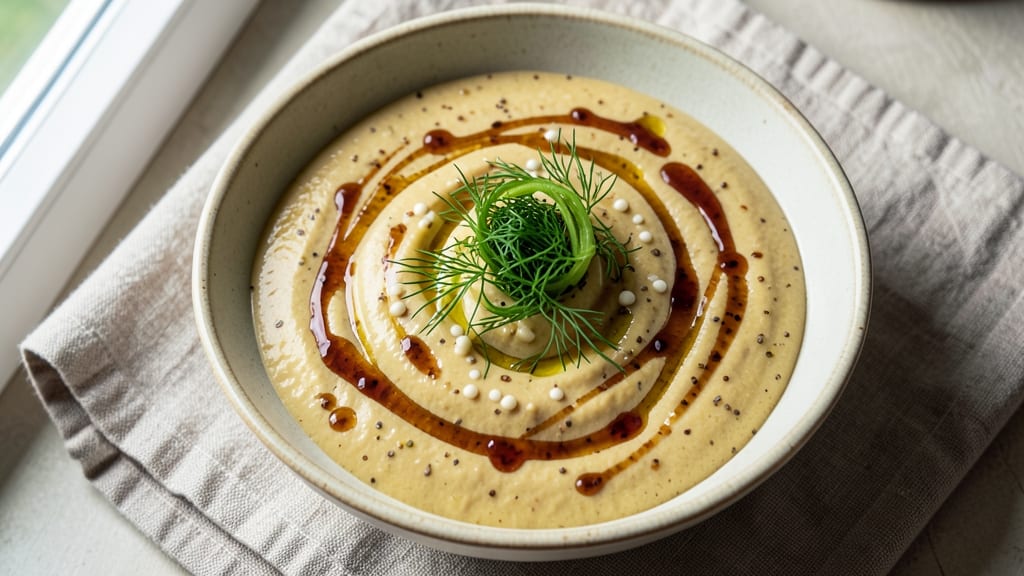
This vegan potato salad dressing transforms classic potato salad into a creamy, herb-infused masterpiece without relying on mayo. The secret lies in a perfectly emulsified oil base—rich, tangy, and packed with fresh herbs—that clings to every bite while keeping the dish light and refreshing.
I developed this recipe after realizing traditional dressings often left vegan potato salads dry or overly heavy, so I focused on achieving that ideal balance of moisture and texture.
The foundation is simple: high-quality olive oil blended with tangy vinegar, mustard for stability, and a touch of sweetness from maple syrup. Fresh dill, chives, and garlic provide that signature potato salad flavor, while flaxseed oil adds a subtle nutty depth.
The key to success is blending the ingredients thoroughly until fully emulsified—this ensures the dressing stays cohesive and doesn't separate, even after sitting in the fridge.
What you’ll end up with is a velvety, herbaceous dressing that coats each potato perfectly, delivering a creamy texture without the heaviness of dairy-based mayo. The flavor profile is bright yet balanced, with just enough tang to complement the potatoes while letting the herbs shine.
This dressing works equally well with warm or chilled potato salads, making it a versatile addition to any meal.
Store it in an airtight container for up to a week, and don’t be afraid to adjust the seasoning to your taste—whether you prefer it slightly sweeter, more tangy, or extra herby.
The result is a dressing that elevates vegan potato salad to new heights, proving plant-based meals can be just as satisfying as their traditional counterparts.
Ingredients for vegan potato salad dressing
Nine simple ingredients blend into a creamy, herb-packed vegan dressing that rivals mayo-based versions.
| Ingredient | Amount | Notes |
|---|---|---|
| Extra-Virgin Olive Oil 🫒 | 1 cup | High quality, fruity flavor |
| Apple Cider Vinegar 🍎 | ¼ cup | Unfiltered preferred |
| Dijon Mustard 🌶️ | 1 tbsp | For emulsification |
| Pure Maple Syrup 🍁 | 1 tbsp | Grade B for depth |
| Flaxseed Oil 🌿 | 1 tbsp | For nutty richness |
| Fresh Dill 🌿 | ¼ cup | Finely chopped stems |
| Fresh Chives 🌱 | ¼ cup | Finely chopped |
| Garlic Cloves 🧄 | 2 cloves | Minced for depth |
| Sea Salt 🧂 | ½ tsp | Diamond Crystal preferred |
| Black Peppercorns 🌶️ | ¼ tsp | Freshly cracked |
The olive oil is non-negotiable here—California avocado or Italian extra-virgin brands like Bertolli or Colavita work best. Trader Joe's carries a great budget-friendly option, but avoid anything labeled 'light' or 'pure'—those lack the fruity notes you need. Fresh herbs make all the difference: grab them from the grocery store's refrigerated section (not the dried aisle). The dill should be vibrant green, and chives should have a crisp snap. If you're short on time, frozen herbs work in a pinch, but they won't have the same brightness.
No Dijon mustard? Yellow mustard at half the amount gets you close, though the flavor will be milder. Short on flaxseed oil? Walnuts or almonds blended with water can mimic the richness (use 1 tbsp ground nuts + 1 tsp water). The maple syrup can be swapped for agave nectar if you prefer a more neutral sweetness. For extra tang, add 1 tsp lemon juice—just don’t skip the emulsifier (mustard) or your dressing will separate. The garlic can be roasted for a sweeter note if you prefer.
This dressing keeps beautifully—1 week in the fridge sealed in a jar with a thin layer of olive oil on top. Shake before each use since it naturally separates slightly over time. For extra shelf life, freeze in ice cube trays and transfer to a bag—3 months frozen. I always double the batch because it disappears fast. The flavor actually improves after sitting overnight as the herbs mellow and the flavors meld. If it gets too thick, thin with a splash of water or plant-based milk.
Why You'll Love This Recipe
- Here’s what sold me: every ingredient costs less than $5 at the store, and a little goes a long way. The flaxseed oil might seem fancy, but it’s cheaper than buying pre-made dressings, and it actually improves with time. Win-win.
- No-Fuss Mixing: I swear by this—just whisk five ingredients in a jar. No peeling, no boiling, no stress. The flaxseed oil gives it that creamy texture without mayo, and honestly? It’s the kind of dressing that makes me want to toss it on everything after the first taste.
- Sweet-Tangy Magic: That maple syrup and apple cider vinegar combo? It’s like a flavor hug. The Dijon mustard adds a little kick, and the olive oil ties it all together so smoothly. I’ll be real: I’ve drizzled this over roasted Brussels sprouts and called it dinner.
- Picnic Game-Changer: Between us, this is my go-to for potlucks, BBQs, or lazy Sunday brunches. It keeps well in the fridge for a week, so I make a big batch and forget about it. Spritz it on a veggie tray, a grain bowl, or straight from the jar—no judgment.
Step-by-step instructions for herb-infused vegan dressing
This creamy, tangy dressing brings depth without dairy—simple steps for bold flavor.
Whisk Together Base Ingredients
In a medium bowl, combine the 1 cup extra-virgin olive oil, 0.25 cup apple cider vinegar, 1 tbsp Dijon mustard, and 1 tbsp pure maple syrup. Use a whisk to blend vigorously for 1-2 minutes until the mixture becomes slightly emulsified and lightens in color. The vinegar will initially separate, but the mustard helps bind it into a smooth base.
Here's the thing—don't rush this step. The longer you whisk, the more the flavors meld together. You'll notice the mixture thicken slightly as the mustard and maple syrup integrate with the oil and vinegar. This foundational blend carries all the dressing's character, so take your time.
Incorporate Herbs and Aromatics
Add the 0.25 cup finely chopped fresh dill, 0.25 cup finely chopped fresh chives, 2 minced garlic cloves, 0.5 tsp sea salt, and 0.25 tsp freshly cracked black peppercorns to the bowl. Stir gently with a silicone spatula to avoid crushing the herbs, which can make the dressing bitter. The herbs should be evenly distributed throughout the mixture.
Let the mixture sit for 5 minutes at room temperature. This resting period allows the garlic and herbs to infuse their flavors into the oil base. You'll notice the aroma become more intense and inviting—this is when the dressing starts to come alive. If you're impatient, you can whisk again briefly after 2 minutes, but waiting ensures better flavor integration.
Finish with Flaxseed Oil for Creaminess
Drizzle in the 1 tbsp flaxseed oil while whisking continuously. The flaxseed oil adds a subtle nutty richness and helps create a velvety texture without dairy. Whisk for another 30-60 seconds until fully combined. The dressing should now have a smooth, slightly thick consistency—similar to light vinaigrette but with more body.
Taste and adjust seasoning if needed. If it's too tangy, add a pinch more maple syrup. If it needs more depth, add a tiny bit more salt. This dressing works best when balanced—tangy from the vinegar, sweet from the maple, and rich from the oils. The flaxseed oil gives it that creamy quality that mimics traditional mayo-based dressings without any animal products.
Rest Before Using (Critical for Flavor)
Cover the bowl with plastic wrap and let the dressing rest at room temperature for at least 30 minutes—ideally, you can refrigerate it for 1-2 hours before using. This resting period allows all the flavors to fully meld together. When you return to it, you'll notice the herbs have released even more of their aromatic oils, and the dressing will have a more cohesive texture.
I know it's tempting to use it immediately, but trust me—waiting makes all the difference. The flavors develop and deepen during this time, resulting in a dressing that's far more complex than if you used it straight away. Store any leftovers in an airtight container in the refrigerator for up to 1 week, though it's best used within 3-4 days for peak freshness.
Pro Tips For Making Vegan Potato Salad Dressing
- WHISK IN STAGES: Mix the Dijon and maple syrup first—this thickens the mustard and lets the flavors meld before adding liquids. I used to dump everything in at once, and the dressing ended up grainy and uneven.
- USE FLAXSEED OIL LAST: Add flaxseed oil just before serving—it goes rancid fast when heated or mixed too early. A splash right before tossing keeps that nutty richness sharp.
- DILUTE THE VINEGAR: Thin the apple cider vinegar with a splash of water (1:1 ratio) before adding it to the oil. Straight vinegar can make the dressing separate or taste harsh, especially if you’re using a strong cider.
- CHILL THE DRESSING: Let the dressing sit for 10 minutes after mixing—this lets the flavors settle and prevents a greasy mouthfeel. I skipped this once and ended up with a dressing that tasted like oil and vinegar fighting.
Dietary considerations for this vegan potato salad dressing
Gluten-Free Safety
This dressing is naturally gluten-free, but always double-check your ingredients for hidden sources. The apple cider vinegar and Dijon mustard brands matter—opt for certified gluten-free labels if needed. I use Annie's or Bragg vinegar and Maille mustard, both of which are reliably gluten-free.
The flaxseed oil and maple syrup are also safe for gluten-sensitive diets, but cross-contamination can occur during production. 🌾
Nut-Free Alternatives
While flaxseed oil provides richness, those with nut allergies can substitute with 1 tbsp avocado oil or 1 tbsp tahini (sesame-based). Both work well but offer slightly different textures—avocado oil stays neutral, while tahini adds a subtle sesame note.
Always verify tahini is processed in a nut-free facility if allergies are severe. The rest of the ingredients remain nut-free by default. 🥑
Soy-Free Considerations
This recipe avoids soy entirely, making it safe for those with soy allergies or following soy-free diets. The key ingredients—olive oil, vinegar, mustard, and maple syrup—are typically soy-free, but always read labels for potential cross-contamination warnings.
For extra caution, use a dedicated whisk or spoon when handling soy-free ingredients in your kitchen. 🌱
Low-FODMAP Options
For low-FODMAP diets, swap the apple cider vinegar for white wine vinegar (¼ cup) and reduce the maple syrup to ½ tbsp—maple contains higher FODMAPs than honey or agave. The garlic should be omitted entirely, as it's high in fructans.
Instead, add ½ tsp asafoetida powder for a savory depth. This version keeps the dressing flavorful while staying digestive-friendly. 🌿
Allergen-Friendly Swaps
If you're avoiding seeds (like flaxseed oil), try 1 tbsp sunflower seed oil for a nut-free, seed-free option. For egg-free binding (though not needed here), the mustard already provides enough emulsification.
The fresh herbs and garlic are naturally allergen-free, but always wash them thoroughly. This dressing works beautifully in allergen-conscious kitchens without compromising texture or flavor. 💡
Nutrition facts
Frequently asked questions
Can I make this dressing without flaxseed oil?
For a nut-free option, use 1 tbsp avocado oil or 1 tbsp tahini instead. If avoiding seeds entirely, try 1 tbsp sunflower seed oil. Each alternative will slightly alter the texture—avocado oil stays neutral, while tahini adds a subtle sesame flavor. The key is whisking thoroughly to maintain that creamy consistency.
Why does my dressing separate after refrigeration?
This happens when the emulsion breaks, often due to insufficient whisking or cold ingredients. To fix it, whisk vigorously again or gently warm the dressing in a bowl of warm water for 30 seconds while whisking. For prevention, always whisk the base ingredients until fully emulsified before adding herbs, and let it rest at room temperature for 30 minutes before refrigerating.
What’s the best way to store leftover dressing?
Transfer to an airtight container and press a layer of olive oil on top to prevent oxidation. It keeps for 1 week in the fridge. For longer storage, freeze in ice cube trays—thaw overnight in the fridge and whisk before using. The flavor actually improves slightly after 24 hours as the herbs infuse further.
Can I use this dressing for other salads besides potatoes?
Yes! It works beautifully with green salads, quinoa bowls, or even roasted vegetable platters. The herby, tangy flavor pairs well with almost any fresh ingredient. For heartier salads, you might want to add a splash of plant-based milk to thin it slightly. The key is balancing the dressing-to-veggie ratio—start with 1 tbsp per serving and adjust to taste.
How do I make this dressing spicier?
Add ½ tsp smoked paprika or ¼ tsp cayenne pepper while whisking the base ingredients. For heat with depth, infuse 1 tsp minced jalapeño (seeds removed) into the oil before combining. If using dried herbs, toast them lightly in a dry pan for 30 seconds to enhance their flavor and aroma. Always taste as you go!