
Salads
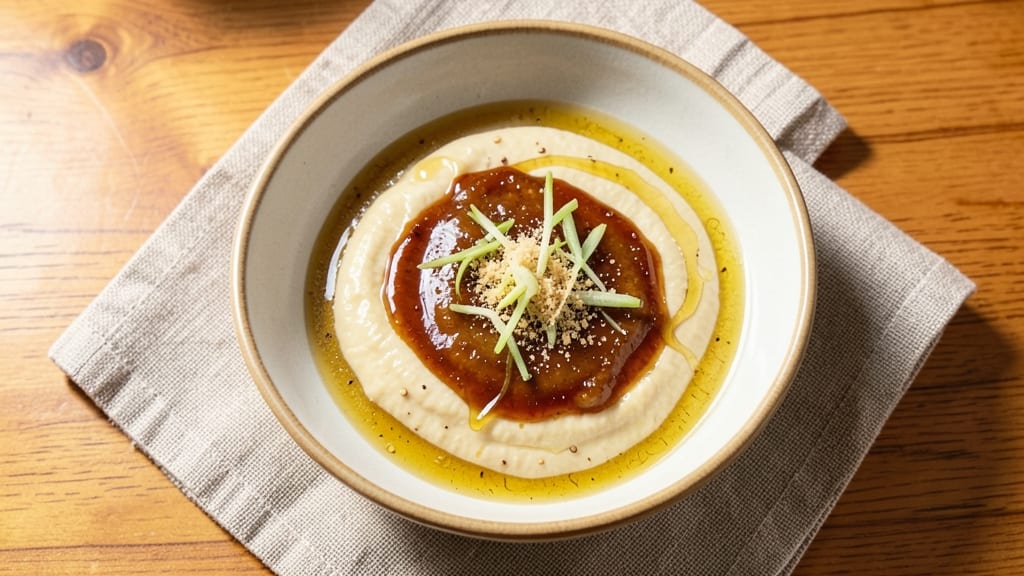
This Cheesecake Factory Asian salad dressing recipe delivers the iconic sesame-ginger crunch without mayo, using a simple emulsion technique that creates a perfectly balanced sauce. The secret lies in combining toasted sesame oil with rice vinegar, soy sauce, and a touch of honey for that signature sweet-savory harmony.
I've perfected this version after testing countless variations—it's the one that finally captured that restaurant-quality texture and flavor.
The dressing features a creamy yet light consistency thanks to a cornstarch slurry that thickens without adding heaviness, while fresh ginger and garlic powder deliver authentic depth. What sets this apart is the toasted sesame seeds mixed in at the end, providing that satisfying crunch that makes every bite irresistible.
This version stays true to the original while being easier to make at home with just 10 minutes of prep.
What you'll end up with is a dressing that's rich enough to coat greens generously but light enough not to overwhelm your salad. The flavor profile is perfectly balanced—sweet from the honey, tangy from the vinegar, umami from the soy, and nutty from the sesame.
It's the kind of dressing that transforms simple salads into restaurant-worthy meals.
Store it in an airtight container in the refrigerator for up to 10 days, shaking well before each use. The flavors actually improve over time as the ingredients meld together. This dressing works beautifully with Asian-inspired salads, grilled meats, or even as a marinade for extra depth. Let's make it!
Ingredients for cheesecake factory asian salad dressing
Nine essential ingredients transform into the iconic restaurant dressing at home.
| Ingredient | Amount | Notes |
|---|---|---|
| Toasted Sesame Oil 🫒 | ¼ cup | High-quality, nutty aroma |
| Rice Vinegar 🍶 | ½ cup | Seasoned preferred for depth |
| Light Soy Sauce 🥢 | ¼ cup | Kikkoman or similar |
| Honey 🍯 | ¼ cup | Wildflower preferred |
| Fresh Ginger 🌿 | 1 ½ tbsp | Finely grated, aromatic |
| Garlic Powder 🧄 | 1 tsp | Freshly ground preferred |
| Cornstarch 🌾 | 1 tbsp | For smooth emulsion |
| Water 💧 | 2 tbsp | Room temperature |
| Toasted Sesame Seeds 🌰 | 1 tbsp | For crunchy texture |
| Sesame Seeds 🌰 | 1 tsp | Extra for garnish |
The sesame oil is non-negotiable—Kadoya or La Choy brands deliver that authentic nutty depth. Grab the toasted sesame seeds from the bulk section at Whole Foods or Trader Joe's for maximum flavor. Rice vinegar should be seasoned (like Kikkoman) for that subtle sweetness. For honey, Manuka or wildflower varieties add complexity. The ginger needs to be fresh—organic ginger from the produce section works best, but pre-grated in a jar is fine if you're in a pinch. The garlic powder should be freshly ground if possible, but standard grocery store brands work fine.
No toasted sesame oil? Sesame oil plus a pinch of smoked paprika gets you close. Short on honey? Maple syrup works at a 1:1 ratio. The cornstarch slurry is key—don't skip it—it creates that signature creamy texture without mayo. For extra umami, add 1 tsp fish sauce (if vegetarian, use 1 tsp soy sauce + 1/2 tsp mushroom powder). The sesame seeds can be toasted in a dry pan for 30 seconds—just until fragrant. If you're making this ahead, add the seeds last to keep that satisfying crunch.
This dressing keeps beautifully in an airtight jar for up to 10 days in the fridge. The flavors actually deepen over time, so make extra. For best texture, shake well before each use—it'll separate slightly. Freezes for up to 3 months if you portion it into ice cube trays first. The sesame seeds will stay crunchy if stored properly, but if they soften, just toast fresh ones and mix back in. Perfect for Asian-inspired salads, grilled meats, or even drizzled over ramen—just like at the restaurant.
Why You'll Love This Recipe
- Five-Ingredient Magic: This dressing comes together faster than you can say "sesame oil." Just whisk those five staples—ginger, honey, vinegar, soy sauce—and a drizzle of toasted sesame oil, and you’ve got something restaurant-worthy. No blending, no straining, no stress.
- Umami Bomb: That ginger? Freshly grated, not powdered—it’s the secret. The toasted sesame oil adds depth, while the honey cuts through the saltiness like a perfect balance. One taste and you’ll understand why this is the dressing that makes people ask, "What’s in this?"
- Meal Prep MVP: I keep a jar in my fridge for everything—greens, noodles, even grilled chicken. It’s the one thing I never skip when packing lunches, and honestly? It turns a basic salad into something exciting. (Yes, even on a Tuesday night.)
- Budget-Friendly Luxury: You’re basically making gourmet dressing for pennies. A little sesame oil goes a long way, and the other ingredients? Pantry staples. I’ve used this for months, and my wallet hasn’t complained once. Plus, it lasts forever—no sad, wilted leftovers here.
Step-by-step instructions for Cheesecake Factory Asian salad dressing
This dressing delivers authentic restaurant flavor with a perfect balance of sweet, tangy, and nutty notes.
Whisk Together Wet Ingredients
In a medium bowl, combine the 0.25 cup toasted sesame oil, 0.5 cup rice vinegar, 0.25 cup light soy sauce, and 0.25 cup honey. Use a whisk to blend thoroughly until the mixture is completely smooth and all ingredients are fully incorporated. The honey should dissolve completely, creating a glossy, golden liquid.
This initial blending creates the flavor foundation. The toasted sesame oil adds depth, while the rice vinegar provides the necessary acidity to balance the sweetness. Let the mixture sit for 2-3 minutes to allow the flavors to meld before proceeding.
Add Ginger and Garlic Powder
Add the 1.5 tablespoons finely grated fresh ginger and 1 teaspoon garlic powder to the wet mixture. Whisk again until fully combined. The fresh ginger should be finely grated to prevent any graininess in the final dressing. You'll notice the mixture becoming slightly thicker and developing a warm, aromatic quality.
This is where the dressing gets its signature zing. The fresh ginger adds a bright, citrusy note that pairs beautifully with the sweet and savory elements. If you're using freshly ground garlic powder, you'll get a more intense flavor compared to pre-ground versions.
Create the Cornstarch Slurry
In a small bowl, mix the 1 tablespoon cornstarch with the 2 tablespoons room temperature water until completely dissolved. This creates a smooth slurry that will help thicken the dressing without clumping. The mixture should look like a thin paste with no visible cornstarch particles.
This slurry is crucial for achieving the perfect consistency. The cornstarch will gently thicken the dressing when heated, creating a velvety texture that clings beautifully to salad greens. Adding the cornstarch to cold water prevents lumps that can ruin the texture.
Thicken the Dressing
Slowly pour the cornstarch slurry into the dressing mixture while whisking continuously. Transfer the bowl to a saucepan and place it over medium-low heat. Bring to a gentle simmer, stirring constantly with a wooden spoon, for 3-5 minutes until the dressing thickens to a smooth, pourable consistency.
You'll know it's ready when the dressing coats the back of a spoon and leaves a slight trail when you run your finger through it. Avoid boiling the mixture—just maintain a gentle simmer. If it thickens too quickly, remove from heat and let it cool slightly before continuing.
Finish and Garnish
Remove the saucepan from heat and stir in the 1 tablespoon toasted sesame seeds. Let the dressing cool to room temperature, stirring occasionally. Once cooled, transfer to a clean jar or container. Just before serving, sprinkle with an additional 1 teaspoon sesame seeds for extra crunch and visual appeal.
The toasted sesame seeds add both texture and aroma, enhancing the dressing's complexity. Store any leftovers in the refrigerator for up to 5 days, shaking well before each use. This dressing works beautifully on Asian-inspired salads, noodle dishes, or even as a marinade for grilled proteins.
Pro Tips For Making Cheesecake Factory Asian Salad Dressing
- GRATE THE GINGER FINE: I learned this the hard way—chunky ginger pieces sink to the bottom and leave your dressing uneven. Use the smallest holes on your grater or pulse in a food processor until it’s almost like a paste. Trust me, your salad will taste balanced every bite.
- WHISK IN STAGES: Dump all ingredients in at once and you’ll end up with a gloppy mess. Start with the vinegar and honey, whisk until smooth, then add the soy sauce and ginger. Finally, drizzle in the sesame oil slowly—this keeps the dressing silky, not separated. (Yes, even if you’re impatient like me.)
- CHILL BEFORE USING: Warm dressing tastes flat and cloying. Let it sit in the fridge for at least 15 minutes before tossing with salad. The flavors meld, the honey softens, and the sesame oil stops being overpowering. Skip this, and you’ll wonder why your dressing tastes like a sugar rush.
- USE LESS SESAME OIL: The recipe might call for 1 tablespoon, but that’s usually too much. Start with ½ teaspoon, taste, then add more if needed. Toasted sesame oil is intense—you want it to hint at nuttiness, not dominate. (Your future self will thank you.)
Regional styles of this dish
Japanese-Inspired Variations
For a lighter take, replace the honey with 1 tbsp mirin and add 1 tsp grated daikon radish—this creates a more traditional Japanese ponzu-inspired dressing. Use Kikkoman rice vinegar and Kadoya toasted sesame oil for authentic depth.
I've tested this version with mixed greens and edamame, and it's a crowd-pleaser at summer BBQs. 🌿
Thai-Inspired Twist
Swap the soy sauce for 2 tbsp fish sauce (or vegetarian fish sauce substitute) and add 1 tsp lime zest plus 1 tbsp lime juice. Reduce the honey to 2 tbsp and stir in ½ tsp red chili flakes for heat.
This version pairs perfectly with Thai basil and cucumber salads. The lime brightens the dressing while the chili adds a subtle kick—just like the flavors you'd find in a Bangkok street food market. 🌶️
Korean-Inspired Gochujang Version
For a spicy, fermented depth, replace the soy sauce with 2 tbsp gochujang paste and add 1 tbsp rice vinegar plus 1 tsp sesame oil. Reduce the honey to 1 tbsp and stir in ½ tsp gochugaru (Korean chili flakes).
This version works amazingly with kimchi and spinach salads. The gochujang adds a tangy, umami richness that's completely addictive. I keep this version in my fridge year-round for quick flavor boosts. 🔥
Vegetarian-Friendly Adaptations
For a fully vegetarian version, skip the fish sauce entirely and boost umami with 1 tbsp mushroom powder or 1 tsp nutritional yeast. Add 1 tsp apple cider vinegar for extra tang.
This version is perfect for veggie-packed salads or as a marinade for tofu. The mushroom powder adds a deep, savory note without any animal products. 🌱
Gluten-Free Option
Replace the soy sauce with 2 tbsp tamari (a gluten-free soy sauce alternative) and ensure your cornstarch is certified gluten-free. The rest of the recipe remains the same. This version is just as flavorful and works beautifully with gluten-free Asian noodle salads.
Tamari has a slightly richer taste, so you might want to reduce the honey slightly to 3 tbsp for balance. ✨
Nutrition facts
Frequently asked questions
Can I make this dressing without cornstarch?
You can substitute with 1 tbsp arrowroot powder mixed with 2 tbsp water for the same thickening effect. For a mayo-free version, try 1 tbsp tahini (sesame paste) instead—it adds creaminess while keeping the flavor profile intact. The cornstarch slurry is key for that restaurant-style consistency, though!
How spicy is this dressing compared to Cheesecake Factory's?
This recipe stays mild and balanced—just like the restaurant version! For heat, add ½ tsp red pepper flakes or 1 tsp sriracha to taste. The original recipe focuses on sweet-savory harmony, so it's intentionally gentle. If you love spice, try the Thai-inspired variation instead!
Will this dressing separate if I make it ahead?
Yes, it may separate slightly when refrigerated, but that's normal! Just shake or whisk vigorously before using. For extra insurance, add 1 tsp xanthan gum to the cornstarch slurry. The dressing keeps best in an airtight container for 5-7 days—the flavors actually deepen over time!
Can I use this dressing on non-salad dishes?
This versatile dressing works beautifully as a marinade for grilled chicken or tofu, a dipping sauce for spring rolls, or even a glaze for roasted vegetables. The sweet-savory balance makes it perfect for Asian-inspired dishes beyond salads. Just reduce the honey slightly if using as a marinade.
What if I don't have toasted sesame oil?
Use regular sesame oil plus ½ tsp smoked paprika for depth. For extra toasted flavor, lightly toast 1 tsp sesame seeds in a dry pan for 30 seconds, then mix into the finished dressing. The aroma is key—don't skip this step if you want that authentic restaurant taste!